
Problems guides
What goes wrong for driveway sealing.
Symptoms first, quotes second
Most expensive driveway sealing mistakes start with a symptom described to a salesperson. The table maps the common symptoms to their usual cause — the diagnosis a contractor should confirm before quoting.
| Symptom | Usual cause |
|---|---|
| Alligator cracking | Base failure, not a sealing problem |
| Fading colour | UV and traffic |
| Potholes | Water into the base |
| Edge crumbling | No support at the shoulder |
| Puddling | Grading, not sealer |
What to document
- Photographs with something for scale, taken at the same angle over time.
- Dates: when it started, whether it changes with weather.
- Water: where it goes, where it pools, what it damages.
- Previous work: who did it, when, and with what material.
What not to do first
Do not accept a repair scope before the cause is named. Patching a symptom is how the same problem returns next season with a bigger invoice. The methods hub explains what each fix addresses; the cost hub shows what it should cost.
When is it an emergency?
When water is entering the structure, when something is structurally unstable, or when a safety system has failed. Everything else can wait for a second opinion.
Should I get an independent inspection?
For anything structural or over about $5,000, yes. A few hundred dollars for an independent report is cheaper than a wrong scope.
All problems guides
Acrylic sealer maintenance
How to maintain an acrylic driveway sealer: inspection signals, gentle cleaning, the recoat cycle, and the point where the film needs stripping instead.
Read the guide →
Acrylic sealer problems
The common acrylic sealer problems on driveways: yellowing, clouding, peeling on new asphalt, slipperiness, and short life, with causes and fixes.
Read the guide →
Alligator cracking: how to prevent it
Alligator cracking starts with a weak base and water. How to protect the base, keep water moving, and time sealcoat so the pattern never gets started.
Read the guide →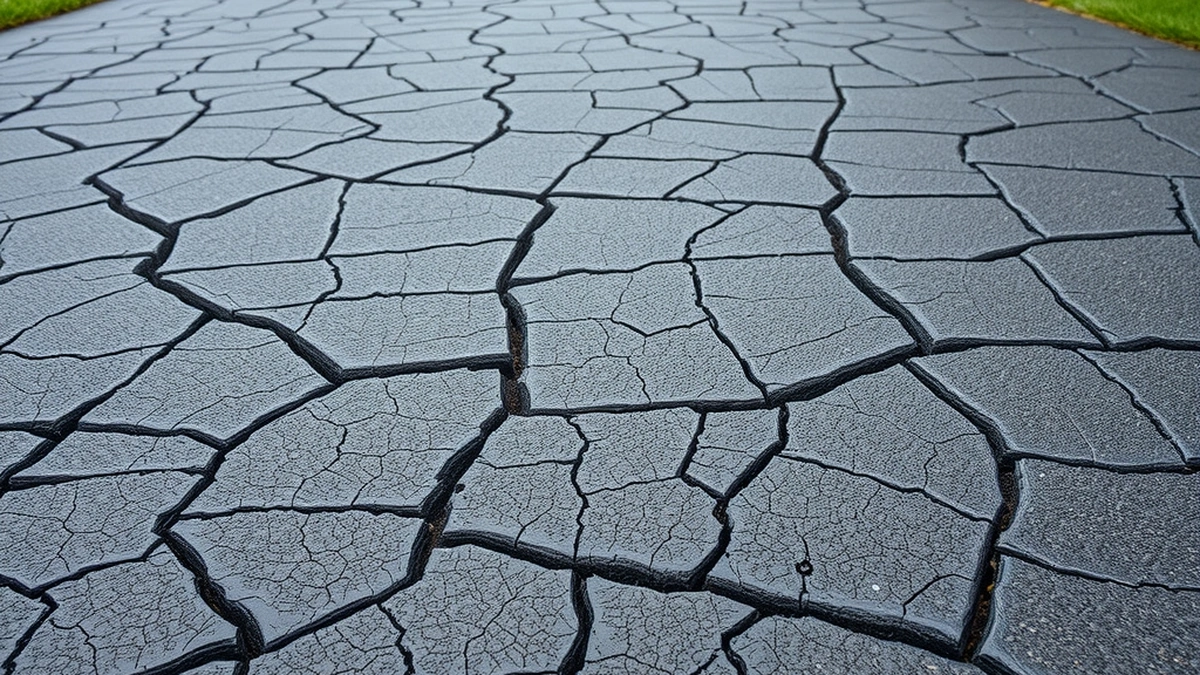
Alligator cracking: repair options that work
Alligator cracking is base failure or spent binder, not a surface flaw. Compare patching, overlay at $3-$7 per sq ft, and replacement at $8-$15.
Read the guide →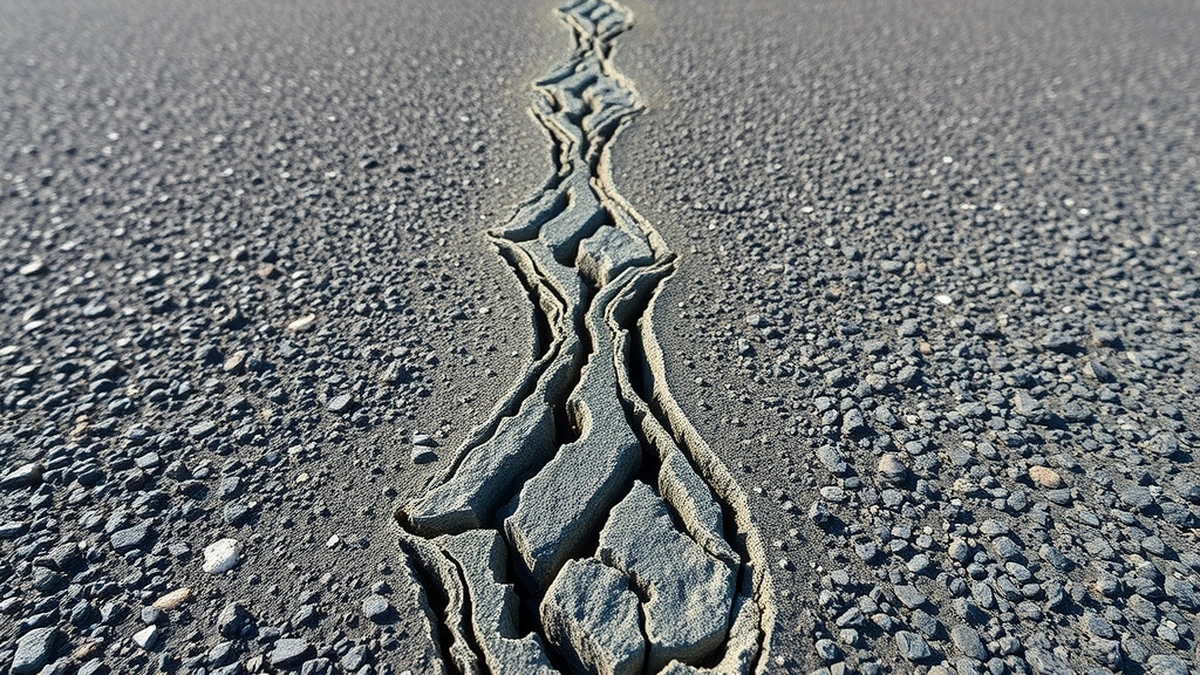
Alligator cracking: warning signs to catch early
The early signs of alligator cracking: fine parallel cracks, a dry grey surface, and wheel-path patterns. What each stage means and when patching still works.
Read the guide →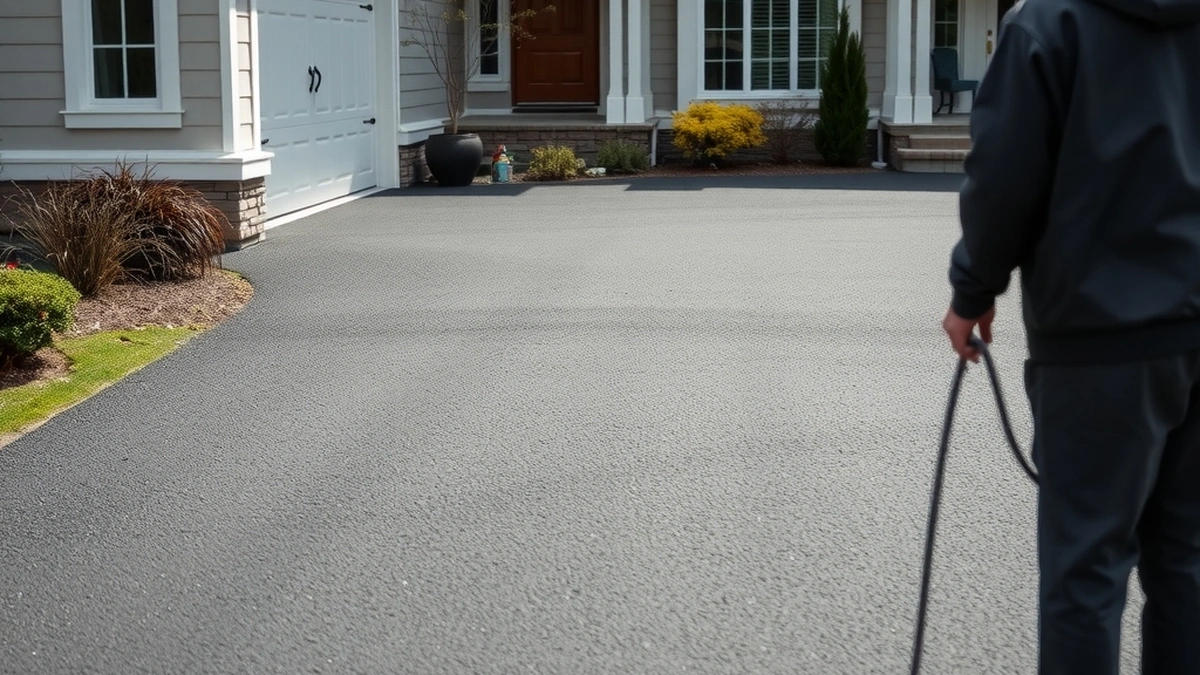
Asphalt emulsion sealer maintenance
How to maintain an asphalt emulsion sealer coat: inspection signals, cleaning, crack control, and the recoat interval that keeps water out of the base.
Read the guide →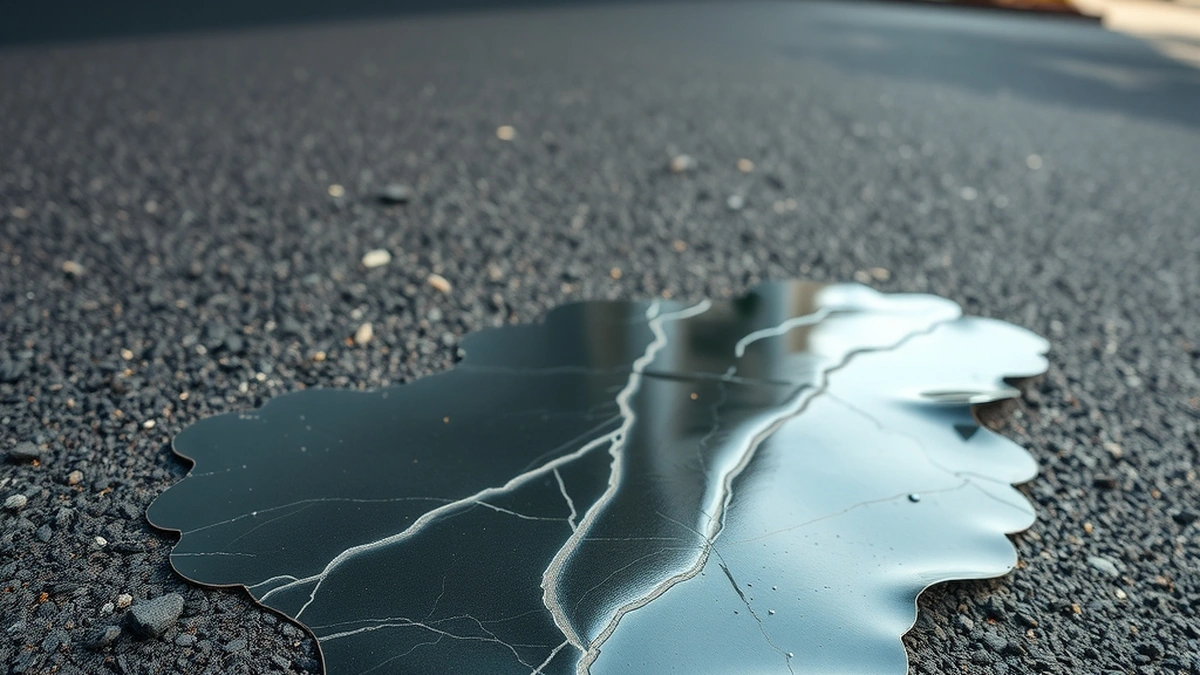
Asphalt emulsion sealer problems and their causes
Blushing, peeling, tracking, and early wear are the four common asphalt emulsion sealer problems. What causes each, how to tell them apart, and what fixes them.
Read the guide →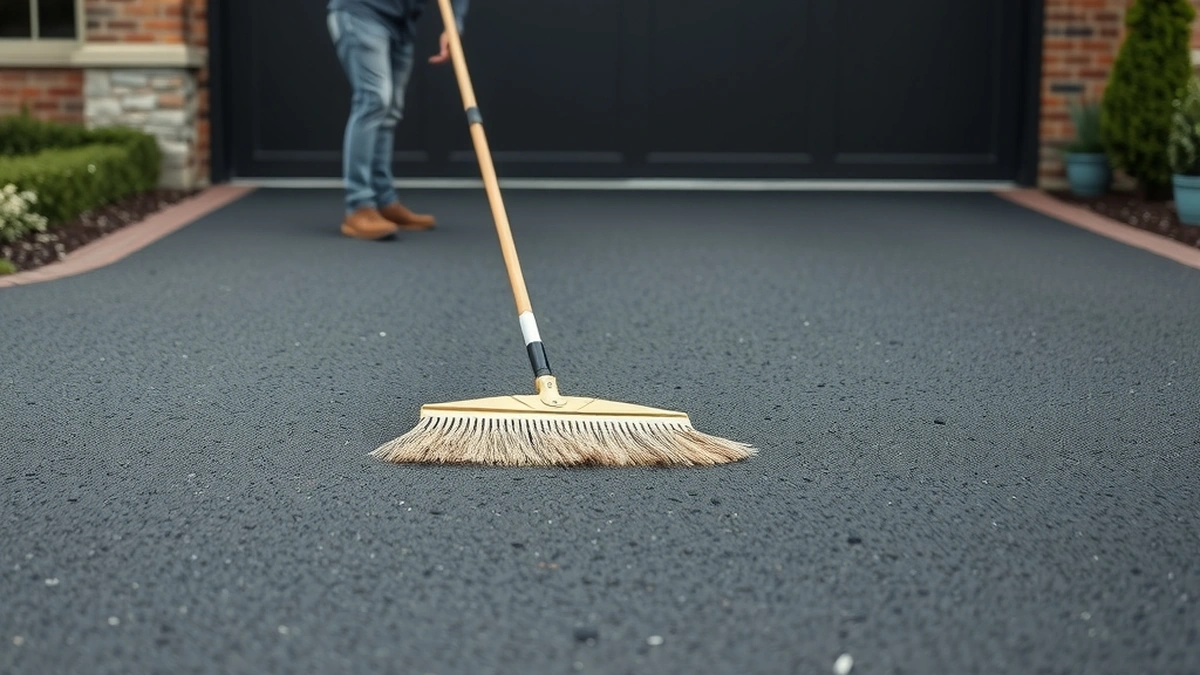
Coal tar sealer maintenance
What a coal tar sealcoat needs between applications: inspection signals, cleaning, spill care, crack filling, and the three to four year recoat cycle.
Read the guide →
Coal tar sealer problems
The common coal tar sealer problems, what causes each one, what a fix costs, and how to tell a coating fault from a pavement failure underneath.
Read the guide →
Cold patch maintenance
Cold patch maintenance: practical numbers, costs, and trade-offs, written independently.
Read the guide →
Cold patch problems: why patches fail
Cold patch ravels, sinks, and lifts out. Why temporary asphalt fails, which problems are installation errors, and when the pothole means a failed base.
Read the guide →
Driveway Sealing repair: when it is worth it
Sealing pays off on sound asphalt and wastes money on a failed base. Here is how to tell the difference, with real repair costs and decision rules.
Read the guide →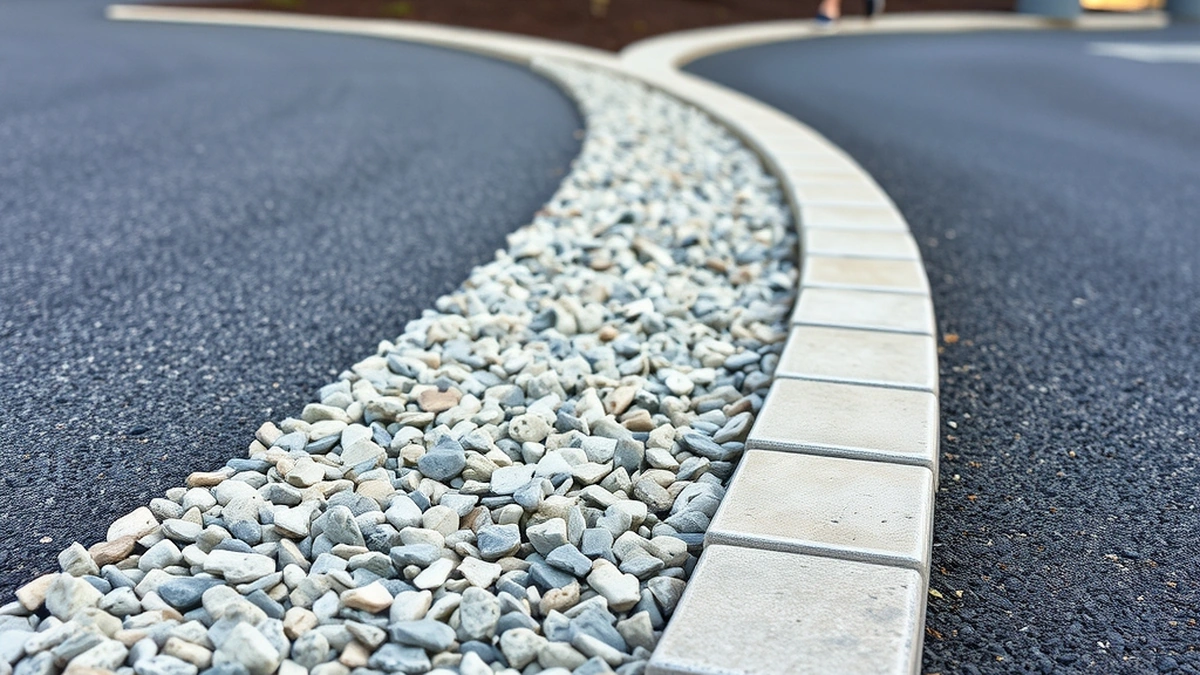
Edge crumbling: how to prevent it
Edge crumbling starts where pavement meets soil without support. How to build a shoulder, hold it with edging, and grade water away so the edge survives winter.
Read the guide →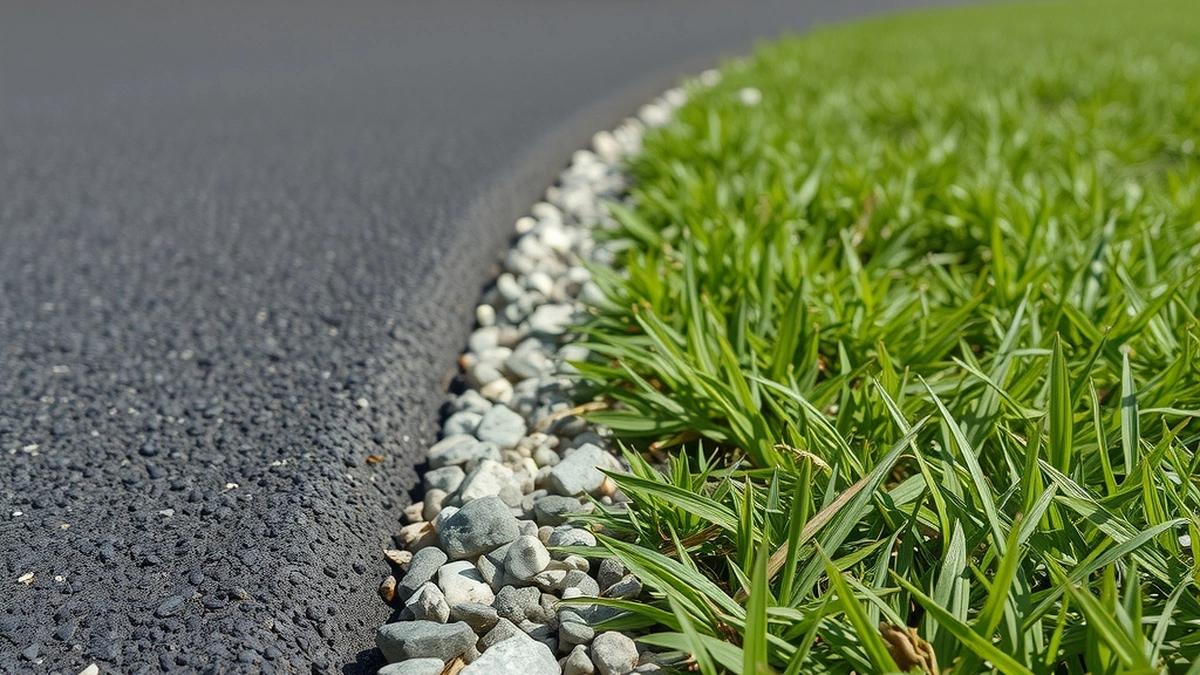
Edge crumbling: repair options for driveway edges
Crumbling driveway edges are a support and drainage failure. Repair options: shoulder rebuild, edge patching, curb, and overlay, with costs and decision rules.
Read the guide →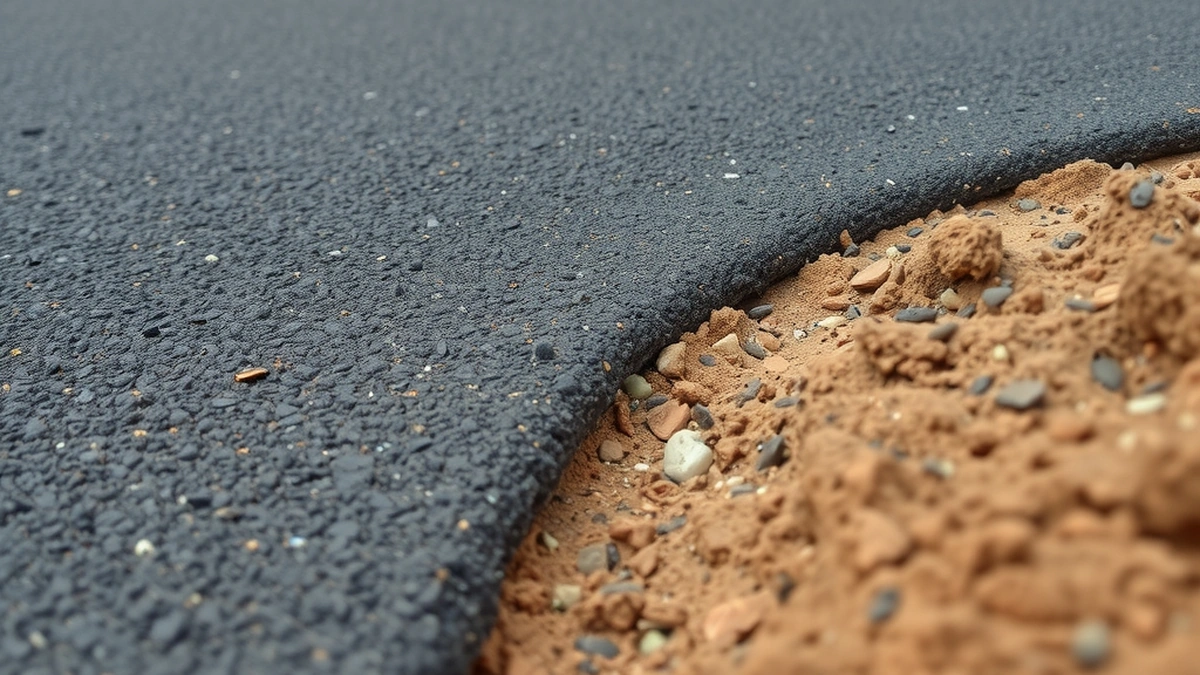
Edge crumbling: warning signs to act on
The signs a driveway edge is failing: a visible gap at the joint, loose aggregate, a soft shoulder, and cracks running parallel to the perimeter.
Read the guide →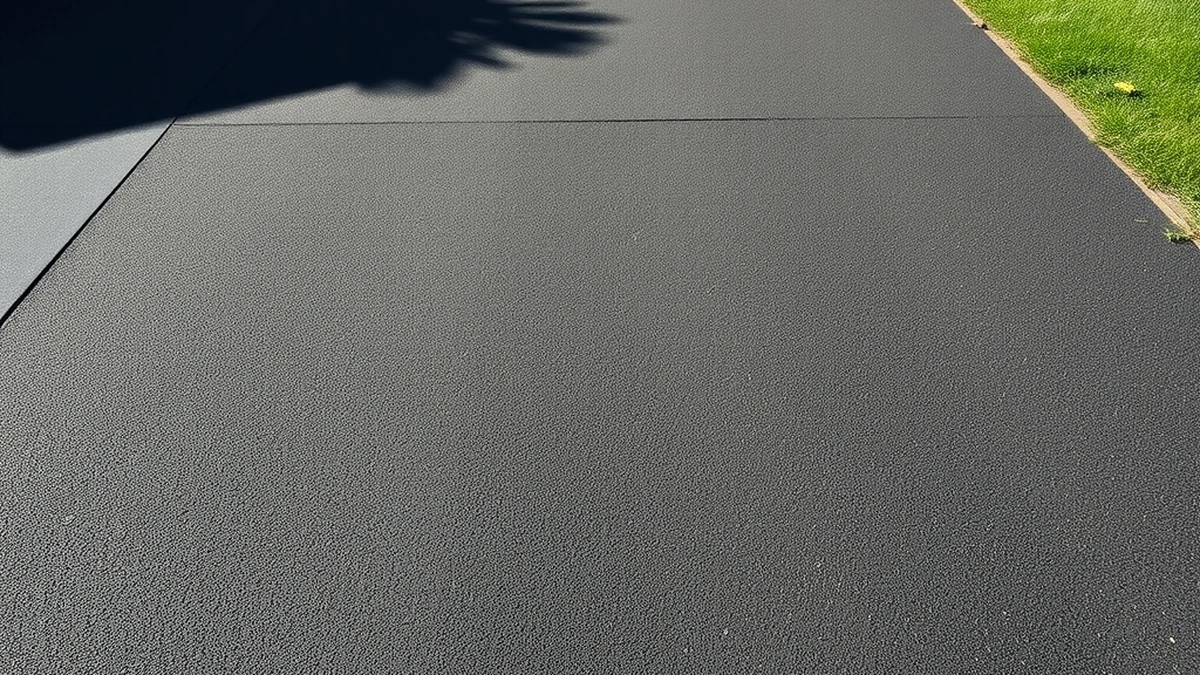
Fading colour: how to prevent it
Asphalt fades because ultraviolet light oxidises the binder. How to slow it: seal on a two-to-four-year cycle, block sun where possible, and stop water sitting.
Read the guide →
Fading colour: repair options for grey asphalt
Faded asphalt is oxidised binder, not dirt. Repair options: sealcoat at $0.15-$0.30 per sq ft, tinted coatings, and overlay when the surface has raveled.
Read the guide →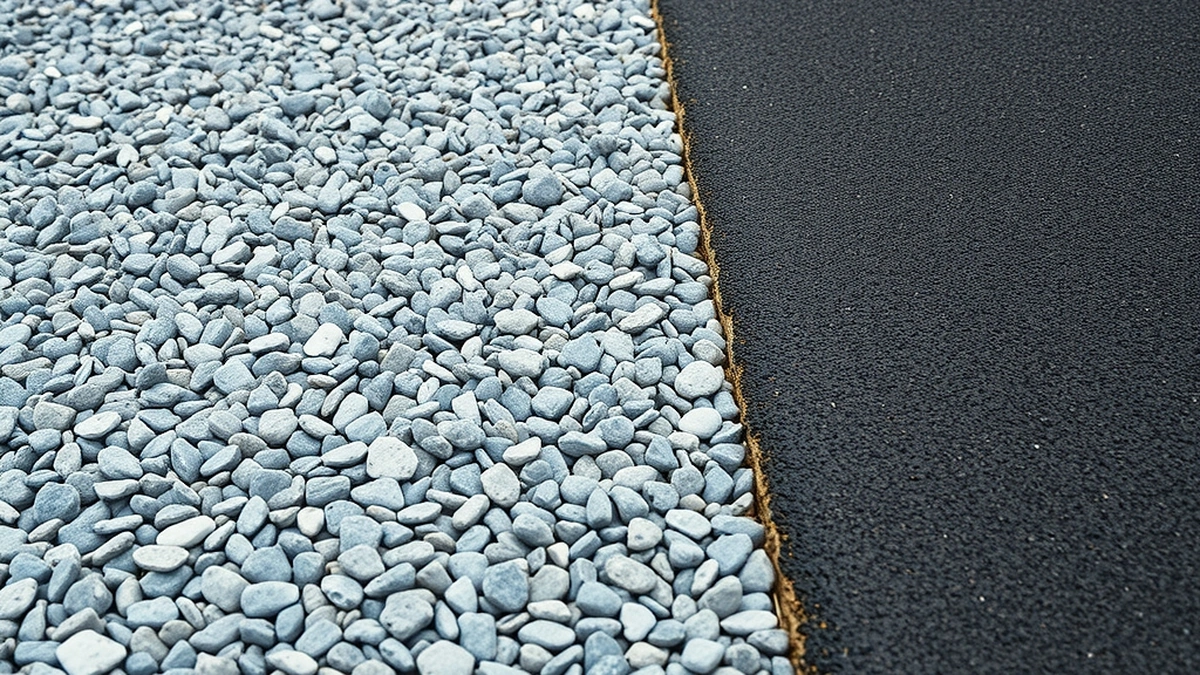
Fading colour: warning signs of surface loss
Uniform grey is cosmetic fade; patchy grey with loose grit is binder loss. The signs that separate a reseal from an overlay, and when fading needs action.
Read the guide →
Hot-pour crack fill maintenance: the yearly check
Hot-pour crack fill lasts three to five years with a yearly inspection. What to check each spring, how to touch up a failing plug, and when to call a crew.
Read the guide →
Hot-pour crack fill problems: why fills fail
Hot-pour crack fill fails four ways: pull-out, tracking, cracking, and debonding. What causes each, and which failures mean the base is moving.
Read the guide →
Potholes: how to prevent them forming
Potholes start with water entering the surface and a base that cannot drain. How to keep cracks filled, edges supported, and water moving off the pavement.
Read the guide →
Potholes: repair options from patch to replace
Pothole repair options: cold patch for a stopgap, hot-mix patching at $100-$400, base repair, overlay at $3-$7 per sq ft, and replacement at $8-$15.
Read the guide →
Potholes: warning signs before the hole opens
A pothole starts as a dark patch, a hairline crack, or a soft spot that holds water. The early signs, what each means, and why a $150 patch beats a $400 one.
Read the guide →
Puddling: how to prevent standing water
Prevent driveway puddling by keeping the fall, clearing the joints, and stopping off-site water. Three checks after rain, and the fixes that cost least.
Read the guide →
Puddling: repair options for standing water
Standing water on a driveway means the surface is out of plane or the base has settled. Repair options: crack filling, local patching, resloping, and overlay.
Read the guide →
Puddling: warning signs of a drainage fault
Signs a puddle is a real fault: water still there after 24 hours, a dark ring at the edge, silt deposits, and soft pavement underfoot. What each one means.
Read the guide →
Driveway Sealing Maintenance Schedule: When to Reseal
Learn how often to seal your driveway, what repairs to do first, and how a maintenance schedule protects asphalt from cracks and water damage.
Read the guide →