Potholes: how to prevent them forming
Potholes start with water entering the surface and a base that cannot drain. How to keep cracks filled, edges supported, and water moving off the pavement.
Prevent potholes by keeping water out of the pavement: fill cracks at $2 to $5 per linear foot, seal every two to four years at $0.15 to $0.30 per square foot, support the edges, and grade the surface so water drains instead of standing.
- Crack filling
- $2-$5 per linear ft
- Sealcoat cycle
- 2-4 years
- Sealcoat cost
- $0.15-$0.30 per sq ft
- Ponding limit
- Gone within 24 hours
- Repair if it starts
- $100-$400 per pothole
Some links on this page are affiliate links.If you buy through them we may earn a commission at no extra cost to you. We do not accept payment for rankings. Read the full disclosure.
Potholes are preventable because they have a single cause: water getting into the pavement and a base that cannot shed or carry it. Fill cracks at $2 to $5 per linear foot, seal every two to four years at $0.15 to $0.30 per square foot, and keep water moving away, and most holes never start.
The mechanism you are interrupting
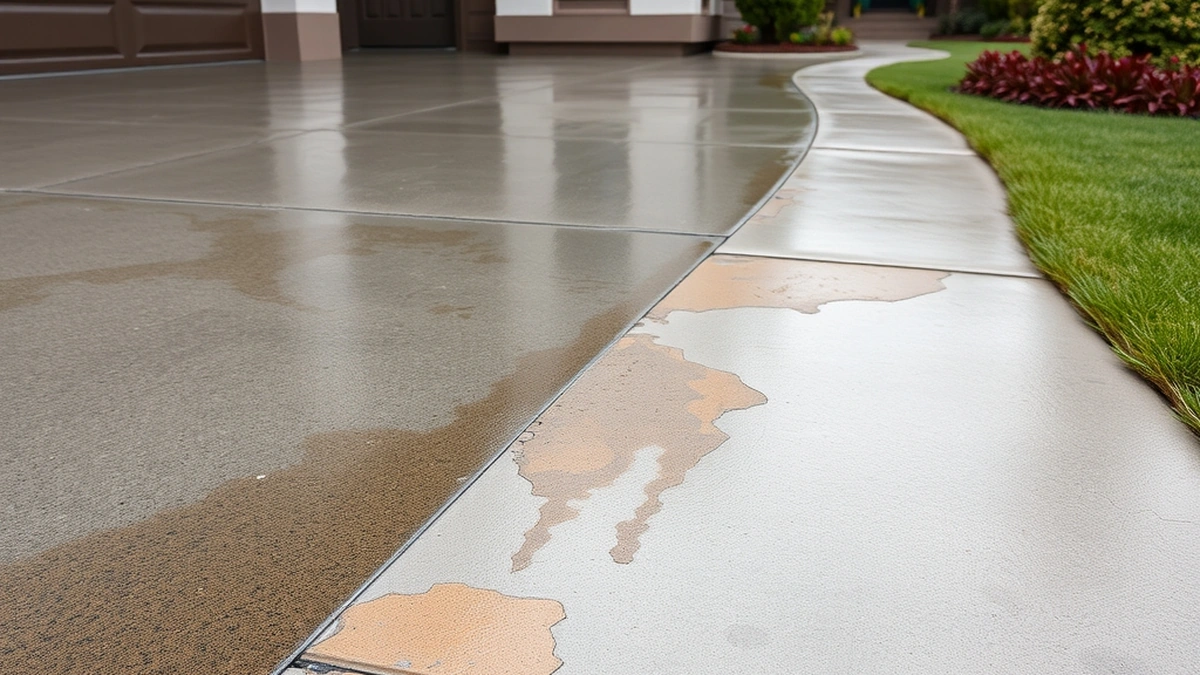
A pothole begins with a small opening in the surface. Water enters, sits against the base, and softens it. Traffic flexes the unsupported pavement, the surface breaks, and the pieces work loose.
In cold climates, freeze-thaw does the work faster: water in a crack expands when it freezes and prises the pavement apart from the inside.
Every prevention measure targets one of those steps: keep the opening closed, keep the base strong, or keep the water moving.
The measures that work
| Measure | What it prevents | Cost | Frequency |
|---|---|---|---|
| Crack filling | Water entry at cracks | $2-$5 per linear ft | As needed, twice-yearly check |
| Sealcoat | Surface oxidation and water entry | $0.15-$0.30 per sq ft | 2-4 years |
| Edge support | Water under the perimeter | Varies | When edges crumble |
| Drainage correction | Ponding and base saturation | Varies | When water stands |
| Load management | Base fatigue | None | Ongoing |
The first two are the routine. The last three are the ones that decide whether the routine is enough.
Crack filling, done on time
Cracks are the main door for water. A quarter-inch crack in a driveway is a direct route to the base.
Fill anything a coin will sit in on edge. Hot-pour rubber at $2 to $5 per linear foot lasts three to five years; cold-pour bottle filler lasts one to three seasons.
The timing matters as much as the material. Fill in late autumn, before the first freeze, so water cannot get in and expand. Check again in spring, because winter opens new cracks.
On a driveway with 80 linear feet of cracks, filling costs $160 to $400. A single pothole repair costs $100 to $400. The arithmetic favours filling first.
Our driveway crack repair cost page covers the pricing by crack type.
Sealing on a sensible cycle
Sealcoat puts a sacrificial film between the weather and the binder. At $0.15 to $0.30 per square foot it is the cheapest water-control measure available.
The interval is two to four years, judged by the surface: water beading means the film is intact, water soaking in means it is gone.
Sealing more often than every two years adds cost without benefit. Sealing less often lets the surface oxidise and crack, which is the opening potholes need.
Our how often to seal a driveway guide covers the interval logic in detail.
Edges and drainage
Two structural conditions create potholes even on a well-sealed driveway.
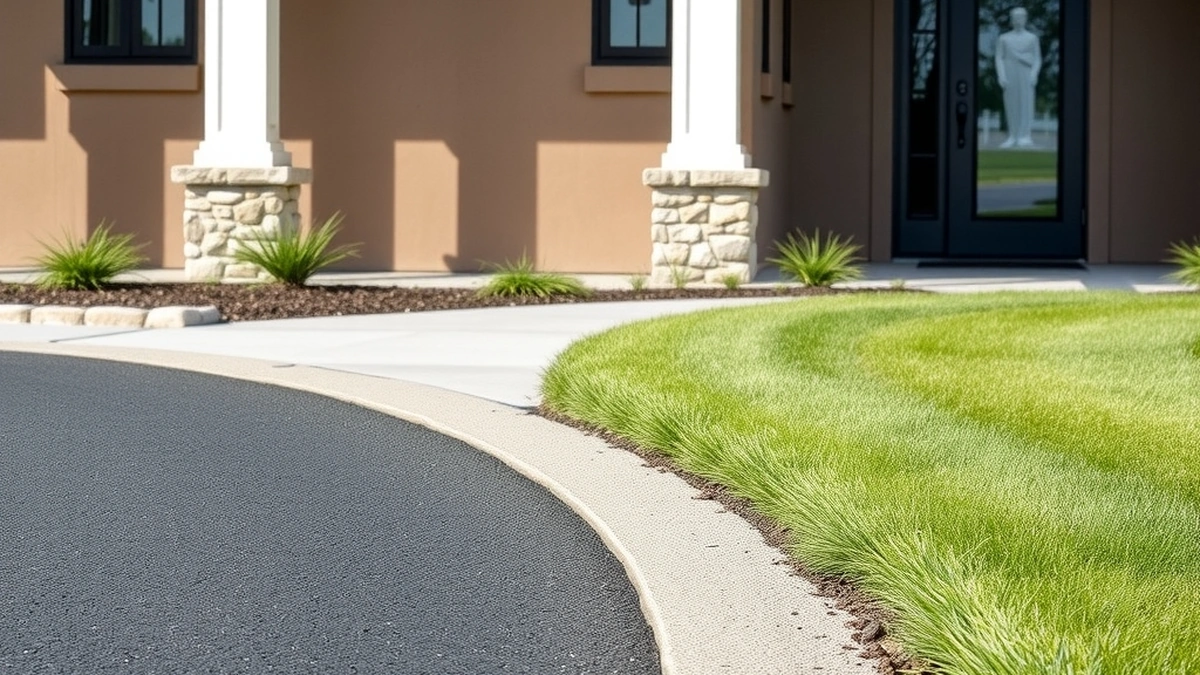
Unsupported edges. Where the pavement edge has no shoulder, water gets under it, the edge crumbles, and the failure works inward. Adding and compacting shoulder material, or repairing the edge, closes that route. Our edge crumbling repair guide covers the fix.
Ponding. Water standing for a day after rain means the surface is out of plane. That water saturates the base beneath the low spot, and a pothole follows. Correcting grade or adding a drain costs money, and it is cheaper than repeated patching.
A driveway that drains properly ages more slowly than one that ponds, even with the same traffic and the same sealing schedule, because the base stays dry and keeps its load capacity.
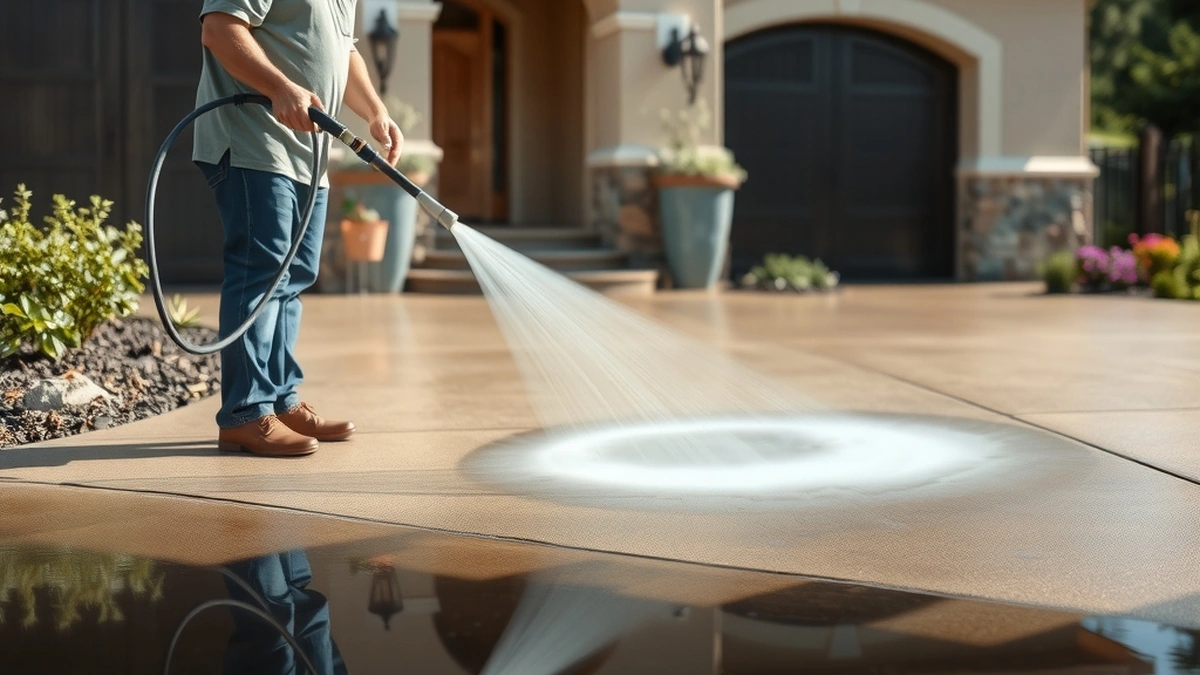
The cheapest drainage fix is usually the least obvious one: extending a downspout so it discharges onto the lawn rather than the apron. Water from a roof is concentrated, and a single downspout can deliver more water to one square yard of pavement than the entire rainfall on the rest of the driveway.
The twice-yearly inspection
- Walk the driveway after rain and note where water stands.
- Mark any crack wider than a quarter inch.
- Press the edges with a boot; crumbling means loss of support.
- Look for dark patches that stay damp, which indicate water trapped in the surface.
- Fill cracks and book sealing if the cycle is due.
Twenty minutes twice a year is the whole prevention programme. The rest is scheduling the work before winter.
What prevention cannot do
Three limits are worth being clear about.
It cannot repair a base that was built too thin. A driveway carrying trucks on a base designed for cars will fatigue regardless of maintenance.
It cannot fix a drainage problem that comes from the surrounding grade. If the lawn, the street, or a downspout sends water across the pavement, the water has to be redirected.
It cannot replace sealing forever. A coating is sacrificial and needs renewing; the alternative is a surface that oxidises and cracks.
Where those limits are reached, the options are an overlay at $3 to $7 per square foot or replacement at $8 to $15. Our potholes repair guide covers the decision.
The cost comparison that makes the case
On a 600 square foot driveway over ten years:
Prevention: about 3.3 sealcoats at $120 = $400, plus crack filling at $160 to $400 per cycle, call it $800 total. Roughly $80 a year.
Repair: one pothole a year at $250 = $2,500, plus sealing to protect the patches.
The prevention budget is a fraction of the repair budget, and it also keeps the driveway looking better. That is the entire argument, and it holds as long as the base is sound to begin with.
For pricing on each repair, see potholes cost. For the temporary option when a hole appears in winter, cold patch cost covers the bags and their limits.
Frequently asked questions
Can potholes be prevented?
Largely. They form where water enters the pavement and the base cannot drain, so crack filling, sealing, edge support, and drainage correction prevent most of them.
Does sealing prevent potholes?
It helps by slowing surface oxidation and reducing water entry through the surface. It does not fix a base that is already weak or a low spot that collects water.
How often should I fill cracks to prevent potholes?
Check twice a year, in spring and autumn, and fill any crack wider than a quarter inch at $2 to $5 per linear foot before the next freeze.
Why do potholes form in winter?
Water enters a crack, freezes, expands, and loosens the pavement. Repeated freeze-thaw cycles break the surface up, and traffic lifts the loose pieces out.
Does a heavy vehicle cause potholes?
It accelerates them. A base sized for cars will deflect under repeated truck or RV loads, and deflection plus water is what starts a pothole.
What should I do at the first sign of a pothole?
Fill it before it grows. A small hot-mix patch costs $100 to $200; a large one with base repair costs $300 to $400, and a cluster of holes can push the job toward an overlay.
Sources
Some links are affiliate links.If you buy through them we may earn a commission at no extra cost to you. We do not accept payment for rankings. Read the full disclosure.