Fading colour: how to prevent it
Asphalt fades because ultraviolet light oxidises the binder. How to slow it: seal on a two-to-four-year cycle, block sun where possible, and stop water sitting.
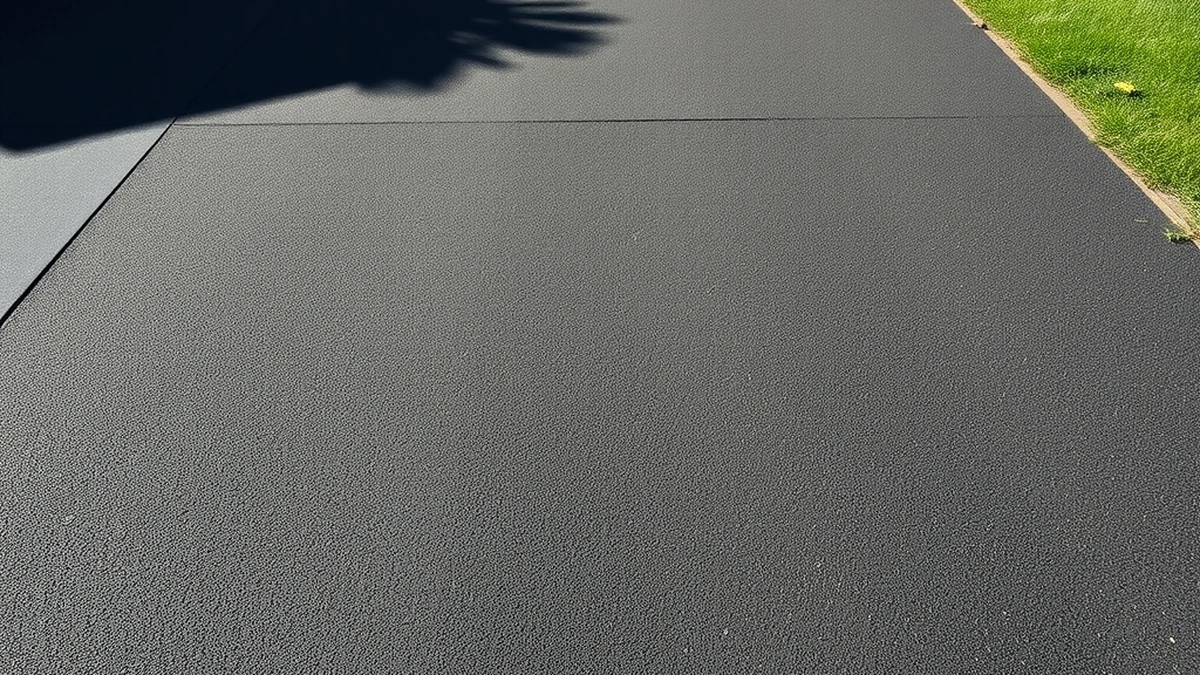
Prevent asphalt fading by sealing every two to four years at $0.15 to $0.30 per square foot, keeping the surface clean, and making sure water drains instead of standing. Shade and reduced ultraviolet exposure slow oxidation, but no coating stops it permanently.
- Seal cycle
- 2-4 years
- Seal cost
- $0.15-$0.30 per sq ft
- DIY material
- $0.05-$0.12 per sq ft
- Main cause
- UV oxidation
- Accelerant
- Standing water
Some links on this page are affiliate links.If you buy through them we may earn a commission at no extra cost to you. We do not accept payment for rankings. Read the full disclosure.
Asphalt fades because ultraviolet light oxidises the bitumen binder at the surface. Prevention is therefore about limiting that exposure and replacing the sacrificial layer before it is used up. The practical routine is a sealcoat every two to four years at $0.15 to $0.30 per square foot, plus drainage and cleaning that keep water from accelerating the process.
The mechanism you are fighting
Bitumen is the black, sticky component that binds aggregate. The colour of new asphalt is the colour of that film.
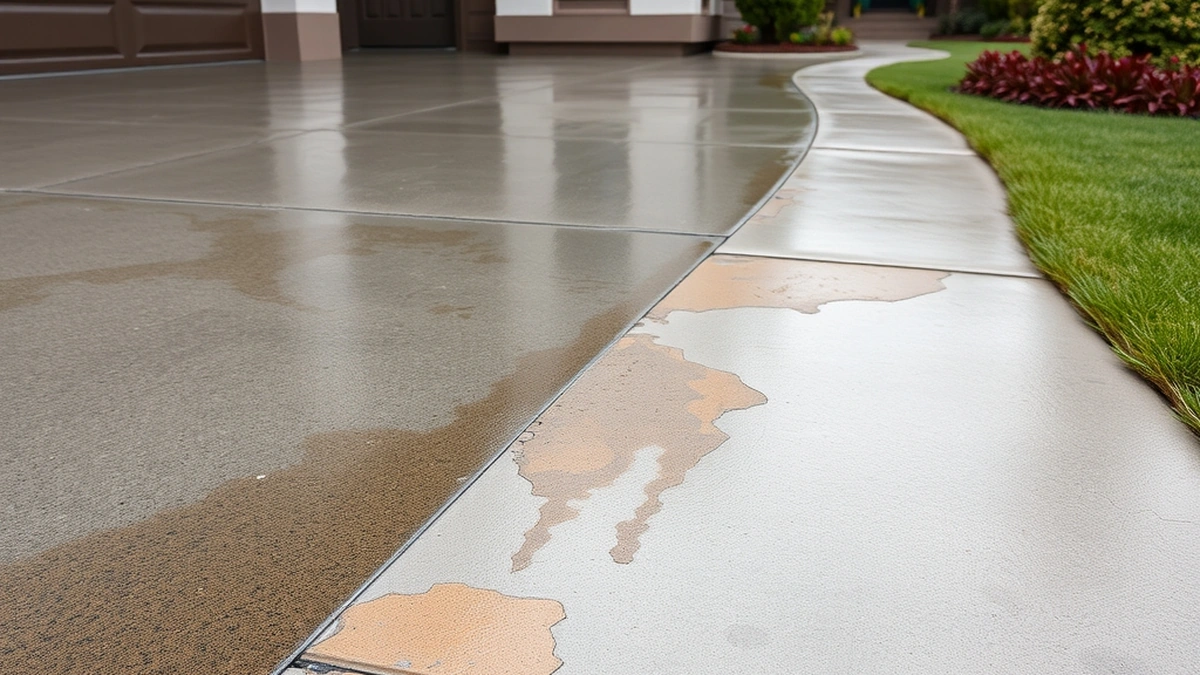
Ultraviolet light breaks the chemical bonds in the bitumen at the surface. The film turns brown, then grey, and eventually wears away to expose the lighter stone underneath.
That is a one-way process. Once binder has oxidised, it cannot be restored by cleaning or by washing. The only surface fix is a new film on top.
What actually slows it
| Measure | Effect | Cost |
|---|---|---|
| Sealcoat every 2-4 years | Replaces the sacrificial film | $0.15-$0.30 per sq ft |
| Shade from trees or a carport | Cuts direct UV exposure | Varies |
| Correct drainage | Removes the water accelerant | Varies |
| Prompt crack filling | Stops water entering | $2-$5 per linear ft |
| Regular cleaning | Removes debris and moss | Low |
| Avoiding excessive washing | Preserves the film | Low |
The first is the one under your control on a predictable schedule. The rest are supporting measures that make each coat last longer.
The sealing cycle, priced
On a 600 square foot driveway at $0.20 per square foot, each coat is $120.
At a three-year interval, ten years takes about 3.3 coats: $400. At a two-year interval, ten years takes five coats: $600.
The difference is $200 over a decade, and the two-year cycle is worth it on a sun-exposed driveway that fades fast. On a shaded driveway that holds colour, the three-to-four-year cycle is enough. Neither cycle is a guess: judge it from the surface with the checks at the end of this article, and record the date of each coat so the next decision has a baseline.
Sealing more often than every two years is wasted money. It adds film thickness without adding protection, and thick films can crack under their own rigidity.
Sun, shade, and orientation
Two driveways on the same street can fade at different rates because of orientation and shade.
A south- or west-facing driveway that takes direct afternoon sun oxidises faster than one shaded by a house or trees for part of the day. That is why the sun-exposed side of a driveway often fades first, and why the wheel paths grey before the edges.
You cannot move the sun, but you can shade. A carport, a shade sail, or a well-placed tree reduces direct exposure. Trees also drop debris that traps moisture, so the trade-off is not automatic.
Water as an accelerant
Fading is usually described as a sun problem, but water makes it worse.
Standing water softens the surface film and carries away binder. Repeated wetting and drying cycles stress the same layer that ultraviolet is breaking down.
Three water fixes matter:
Grade the surface so it sheds toward the street or a drain. Water should be gone within 24 hours of rain.
Support the edges. Crumbling edges let water under the pavement, and the damage spreads inward.
Keep gutters and downspouts clear and discharging away from the driveway, not onto it.
Our puddling prevention guide covers drainage corrections in more detail.
The routine, season by season
- Spring: inspect after the thaw, mark new cracks, and fill any wider than a quarter inch.
- Spring: check for standing water and note where it lingers.
- Summer: clean the surface and remove moss or debris from edges.
- Late summer or early autumn: seal if the cycle is due, with a 48-hour dry window above 50 F.
- Autumn: clear leaves, which trap moisture against the surface.
- Winter: keep plow blades off the pavement edge and avoid harsh de-icing where possible.
The spring inspection is the one that catches problems while they are cheap. The autumn seal is the one that protects through the season that does the most damage.
What prevention cannot do
Three limits are worth stating plainly.
It cannot stop oxidation permanently. A coating is a sacrificial layer, and it will fade on its own schedule.
It cannot restore a surface that has raveled. Where binder is gone and aggregate is loose, a coat has nothing to bond to, and an overlay at $3 to $7 per square foot is the durable fix.
It cannot compensate for a failing base. Fading is cosmetic; alligator cracking, ponding, and settlement are structural. A coat over those problems is money spent on appearance while the pavement fails underneath. Our alligator cracking prevention guide covers that side.
Judging when the next coat is due
Do not seal by the calendar alone. Check the surface.
Water beading after rain means the film is intact. Water soaking in means it is gone.
Uniform grey means the film has oxidised. Patchy grey with black tire tracks means it has worn unevenly.
A gritty feel underfoot means aggregate is exposed and the film is thin.
Two of those three pointing the same way is your signal. The rest of the decision is weather: above 50 F and 48 hours of dry forecast.
Our fading colour repair guide covers what to do once the fade has happened, and fading colour cost prices the cycles against an overlay.
Frequently asked questions
Can you stop asphalt from fading?
You can slow it. Ultraviolet light oxidises the binder, and a sealcoat every two to four years replaces the sacrificial film that takes that exposure. No coating stops oxidation permanently.
Does sealing make a driveway stay black?
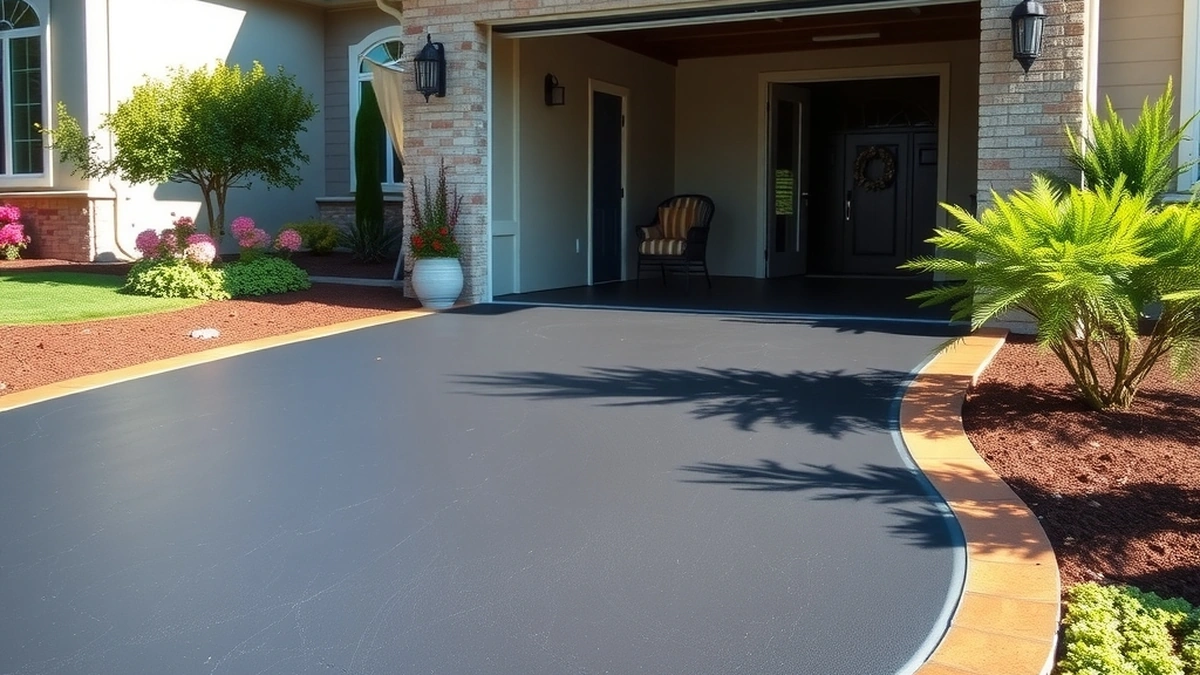
It restores black and holds it for two to four years, depending on sun and traffic. The new film then oxidises like the old surface, which is why recoating is a cycle rather than a one-off.
Why does one side of my driveway fade faster?
Sun exposure. The side that gets direct afternoon sun oxidises faster, as does any area without shade. Traffic also wears the film faster in the wheel paths.
Does water cause fading?
Water accelerates it. Standing water and repeated wetting break down the surface film and carry away binder, so a driveway that drains badly fades faster than one that sheds water.
Should I seal a faded driveway before winter?
Early autumn is a good window in cold climates: the coat cures before the first freeze and protects the surface through freeze-thaw cycling. Leave at least a month before expected frost.
Does washing a faded driveway help?
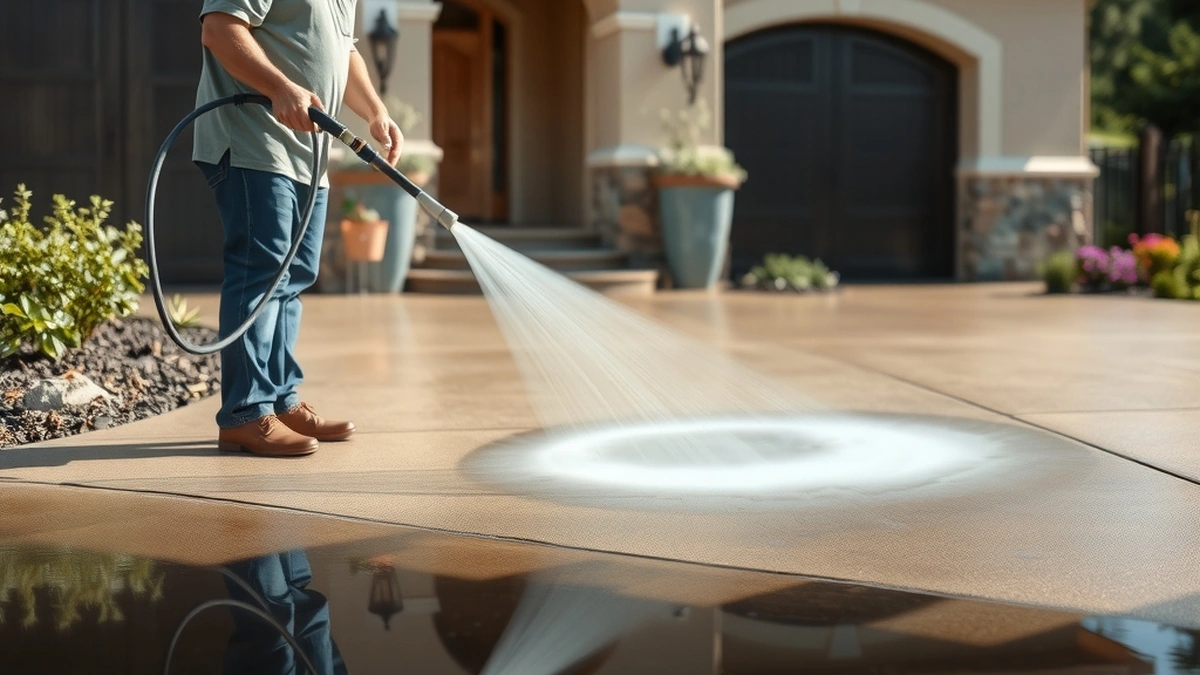
It removes dirt and makes the surface look better for a short time, but it does not restore oxidised binder. Washing is preparation for sealing, not a substitute for it.
Sources
Some links are affiliate links.If you buy through them we may earn a commission at no extra cost to you. We do not accept payment for rankings. Read the full disclosure.