Driveway Sealing repair: when it is worth it
Sealing pays off on sound asphalt and wastes money on a failed base. Here is how to tell the difference, with real repair costs and decision rules.
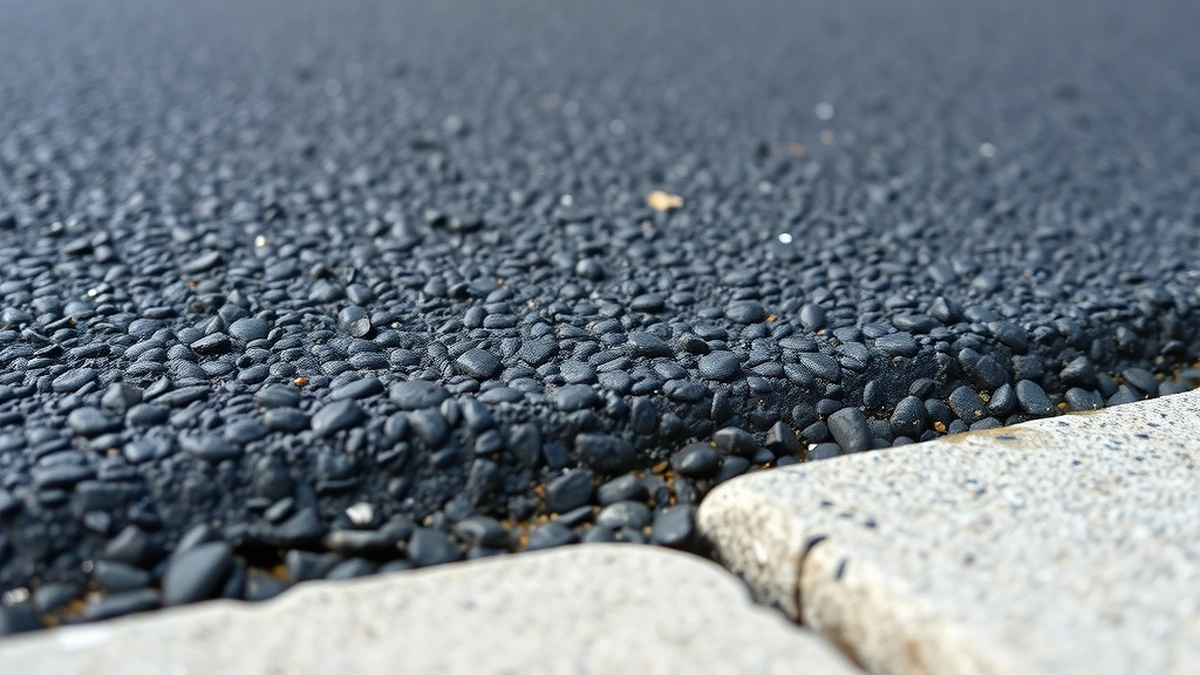
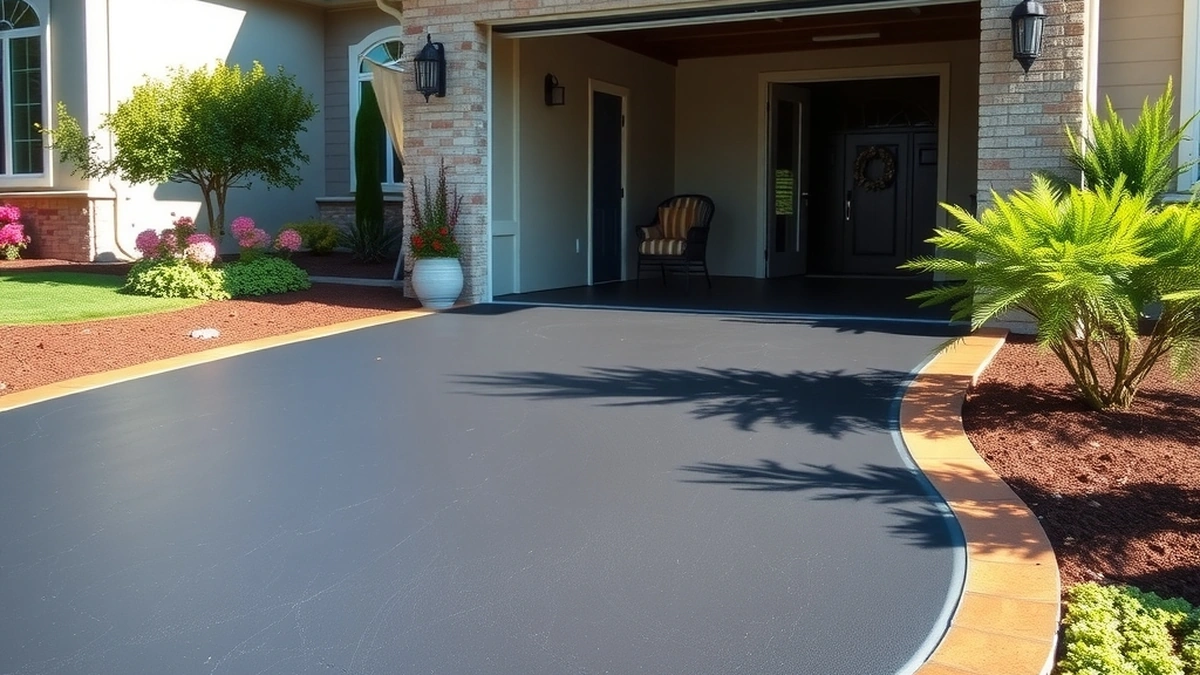
Sealing repair is worth it when the damage is at the surface — oxidized asphalt, hairline cracks, small potholes, worn edges. It is not worth it when the base has failed, because a new coat will crack again within a season.
- Contractor sealcoat
- $0.15–$0.30 per sq ft
- Crack filling
- $2–$5 per linear ft
- Pothole repair
- $100–$400 each
- Asphalt overlay
- $3–$7 per sq ft
- Full replacement
- $8–$15 per sq ft
Some links on this page are affiliate links.If you buy through them we may earn a commission at no extra cost to you. We do not accept payment for rankings. Read the full disclosure.
Sealing repair is worth the money when the damage sits in the top layer of the asphalt. It is a waste when the base underneath has already failed, because a new coat will crack along the same lines within a season. The job is deciding which one you have before anyone opens a bucket.
What driveway sealing repair actually means
Driveway sealing repair is the surface preparation and patching work done before and alongside a sealcoat: cleaning, filling cracks, patching potholes, and applying the protective coat itself. It is not structural repair.
Sealer is a thin film, typically a few hundredths of an inch thick once cured. It blocks water and ultraviolet light from reaching the binder in the asphalt. It cannot bridge a void that is still moving, and it cannot put back support that the subgrade has lost.
Surface defects come from sun, water, and traffic wearing the top layer. Base defects come from water reaching the subgrade, poor compaction during installation, or loads the pavement was never built to carry. The first is cheap. The second is not.
What each repair costs
These are estimated US contractor prices for 2026, before any minimum job charge. Most companies apply a minimum of $150 to $300, so a very small driveway often costs the same as a medium one.
| Work | Estimated cost | Unit |
|---|---|---|
| Contractor sealcoat | $0.15–$0.30 | per sq ft |
| DIY sealcoat | $0.05–$0.12 | per sq ft |
| Crack filling | $2–$5 | per linear ft |
| Pothole repair | $100–$400 | each |
| Asphalt overlay | $3–$7 | per sq ft |
| Full replacement | $8–$15 | per sq ft |
Here is the arithmetic on a typical two-car driveway, 20 feet wide by 40 feet long, which is 800 square feet.
Sealcoat only, contractor applied:
800 sq ft × $0.15 = $120 800 sq ft × $0.30 = $240
Crack filling for 60 linear feet of cracks:
60 lf × $2 = $120 60 lf × $5 = $300
Two potholes patched:
2 × $100 = $200 2 × $400 = $800
So a realistic repair-then-seal job on that driveway lands around $240 to $540 when cracks are the only extra, and $440 to $1,280 if two potholes also need patching. Compare that to an overlay at $3–$7 per sq ft:
800 sq ft × $3 = $2,400 800 sq ft × $7 = $5,600
And full replacement at $8–$15 per sq ft:
800 sq ft × $8 = $6,400 800 sq ft × $15 = $12,000
Surface damage vs base failure
The comparison that matters is not seal versus overlay. It is surface versus structure.
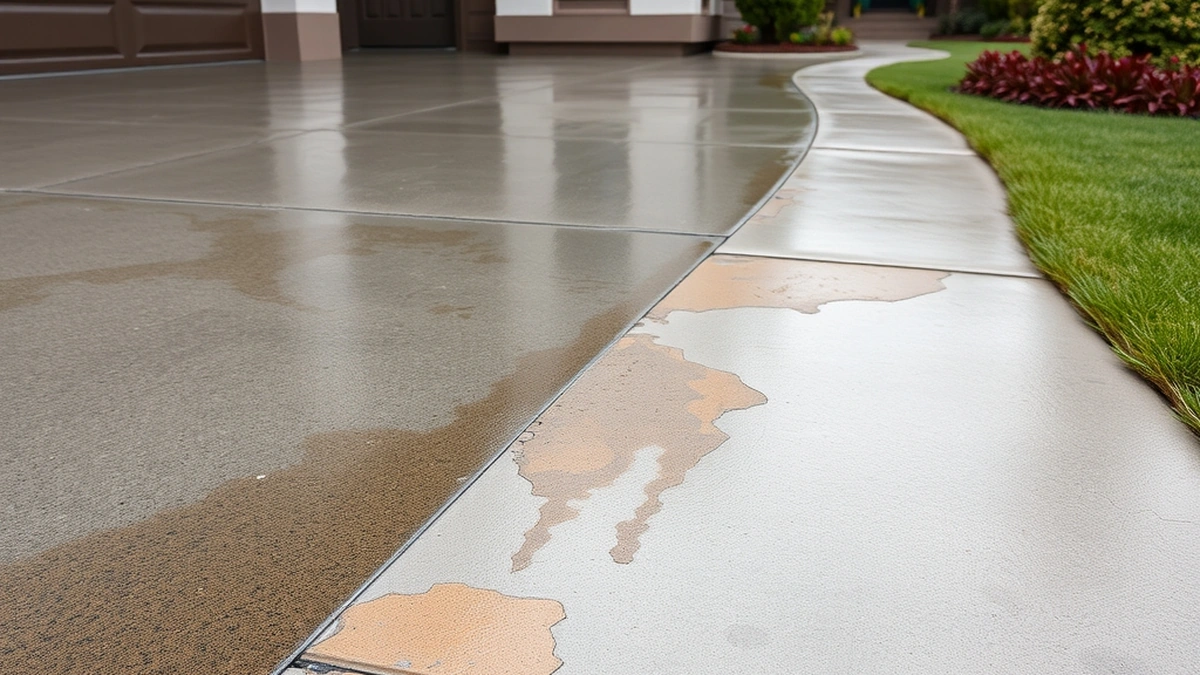
Surface damage is cosmetic and shallow. The asphalt has gone gray and dry from oxidation. Hairline cracks branch out in no clear pattern. Small potholes appear where a stone popped out. Edges crumble where the asphalt meets grass. All of this responds well to cleaning, filling, and sealing, and the repair typically holds for years.
Base failure is structural. Alligator cracking — a web of interconnected cracks that looks like reptile skin — appears in the wheel paths, because that is where the pavement flexes most. Sections sink, or rock slightly when a car crosses them. Potholes come back in the same spot after patching, because the material under them is gone. Water may pool in depressions instead of running off.
If you see alligator cracking over a large area, or two or more of the other signs, sealing is not a repair. It is paint over a problem. The overlay or replacement numbers above are the honest comparison.
When sealing repair is worth it
Sealing repair makes financial sense in a specific set of conditions:
- The asphalt is at least 90 days old, so the oils from manufacturing have had time to evaporate.
- Cracks are narrower than about a quarter inch and are not webbed together.
- The surface is oxidized and porous but still firm underfoot.
- There is no ponding, no rocking, and no section that has dropped more than roughly half an inch.
- The driveway has not been sealed in the last two to three years.
Under those conditions, sealing buys real time. It slows oxidation, keeps water out of the pore structure, and makes spills easier to clean up. On an 800 sq ft driveway, the whole job is usually less than a tenth of what replacement would cost.
When it is not worth it
Skip the seal and put the money toward structure if any of these are true:
- Alligator cracking covers more than roughly a quarter of the surface.
- A car crossing a section makes the pavement move or sound hollow.
- Water stands in a depression for more than a day after rain.
- A pothole has been patched twice and opened again in the same place.
- The driveway was built over an inadequate base, which is common on older properties where the original subgrade was never compacted properly.
In those cases the sequence is base repair, then overlay, then seal the new surface after it cures. Sealing first just adds a line item to a bill you will pay anyway.
How to assess your own driveway
- Wash the surface with a hose or pressure washer and let it dry completely. Dirt hides the crack pattern.
- Walk the full length in daylight and mark every crack with chalk, noting width and whether cracks connect into a web.
- Press a screwdriver into the surface at several points. If it sinks easily, the asphalt is soft and sealing will not help.
- Watch a car drive across the driveway and look for flexing or pumping at the edges.
- Measure the damaged area. Multiply length by width in feet to get square footage, then price both seal and overlay against it.
- Get two or three written quotes that separate cleaning, crack filling, patching, and sealing, so you can see what each contractor is actually charging for.
Sequencing the work correctly
Order matters. Cleaning comes first, because sealer will not bond to dirt, oil, or loose aggregate. Crack filling comes next, and the filler needs to cure per its label before it is coated. Patching follows, with the patch tamped flush and edges squared so the sealer can bridge cleanly. Sealer goes on last, in two thin coats rather than one thick one, and needs 24 to 48 hours of dry weather to set before traffic.
Barricade the driveway during curing. A single tire track through tacky sealer leaves a permanent mark, and fixing it means recoating that area. For a deeper look at prep and application, see driveway sealing installation and driveway crack repair.
What to expect after the repair
A properly repaired and sealed driveway should hold its appearance for two to four years. Cracks you filled will usually reopen eventually, because pavement moves with temperature regardless of what is in the crack. Budget for a re-seal every few years, and check the surface each spring for new cracks before they widen. Our guide to how often to seal an asphalt driveway covers the timing in detail.
If you are weighing the whole proposition, is driveway sealing worth it breaks down the payback case.
Frequently asked questions
Does sealing repair cracks permanently?
No. Crack filling stops water from entering for a few years, but the crack will reopen as the pavement moves with temperature. It is maintenance, not a cure.
Can I seal over a pothole?
Only after the hole is cleaned and patched with asphalt patch material. Sealer poured into an open pothole will not bond and will break out under the first tire that crosses it.
How do I know if my driveway base has failed?
Look for alligator cracking in wheel paths, sections that sink or rock under a car, and potholes that return in the same spot after patching. Those point to the base, not the surface.
Is it cheaper to seal or overlay?
Sealing is far cheaper up front. A sealcoat runs $0.15–$0.30 per sq ft against $3–$7 per sq ft for an overlay, but sealing only wins when the asphalt underneath is still structurally sound.
How long should I wait to seal after crack repair?
Let filler cure according to the product label, typically 24 hours to a few days, and confirm the patch is firm before applying sealer over it.
What does sealing repair cost on an 800 sq ft driveway?
Roughly $120–$240 for the sealcoat, plus $120–$300 for 60 linear ft of crack filling, for an estimated $240–$540 total at contractor rates.
Sources
Some links are affiliate links.If you buy through them we may earn a commission at no extra cost to you. We do not accept payment for rankings. Read the full disclosure.