Hot-pour crack fill maintenance: the yearly check
Hot-pour crack fill lasts three to five years with a yearly inspection. What to check each spring, how to touch up a failing plug, and when to call a crew.
Hot-pour crack fill needs a yearly inspection in spring, a touch-up of any plug that has sunk or lifted, and a fresh sealcoat every two to four years. A well-installed fill lasts three to five years; catching a failed plug early prevents water from reaching the base.
- Inspect
- Once a year, in spring
- Expected life
- 3-5 years
- Touch-up cost
- $2-$5 per linear ft
- Sealcoat cycle
- 2-4 years
- Best repair season
- Dry, above 50 F
Some links on this page are affiliate links.If you buy through them we may earn a commission at no extra cost to you. We do not accept payment for rankings. Read the full disclosure.
Hot-pour crack fill maintenance is a yearly walk-around plus a touch-up when something fails. Do it in spring, after the freeze-thaw season has done its damage, and a correctly filled crack will give three to five years before it needs attention again. Skip it and water reaches the base through the first gap it finds.
Why the yearly check matters
A crack filler is a water seal, not a structural repair. Its whole job is to keep surface water out of the pavement structure.
When a plug lifts or sinks, water gets in. That water softens the base under the crack, and the softened base lets the pavement move, which opens the crack further. The cycle accelerates each winter.
Catching a failed plug in spring costs $2 to $5 per linear foot to fix. Catching it three years later can mean an overlay at $3 to $7 per square foot. The inspection is the cheap part of the maintenance budget.
What to check, and what it means
| Check | What you are looking for | Action |
|---|---|---|
| Plug height | Sunk below surface or proud ridge | Top up or trim |
| Bond at edges | Lifting along one wall | Cut out and refill |
| Surface of plug | Cracks or tears in the filler | Remove and refill |
| Crack width | Wider than at last inspection | Assess base movement |
| New cracks nearby | Cracks beside the filled one | Diagnose, do not just fill |
| Surface film | Grey, worn, or missing | Schedule sealcoat |
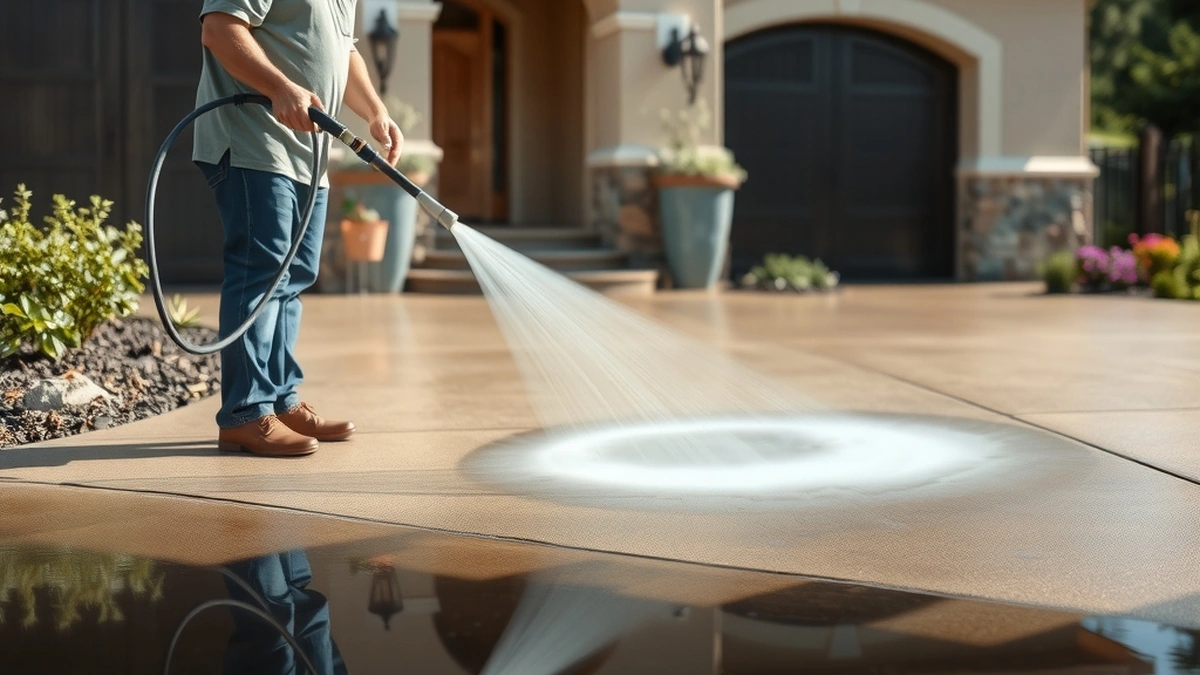
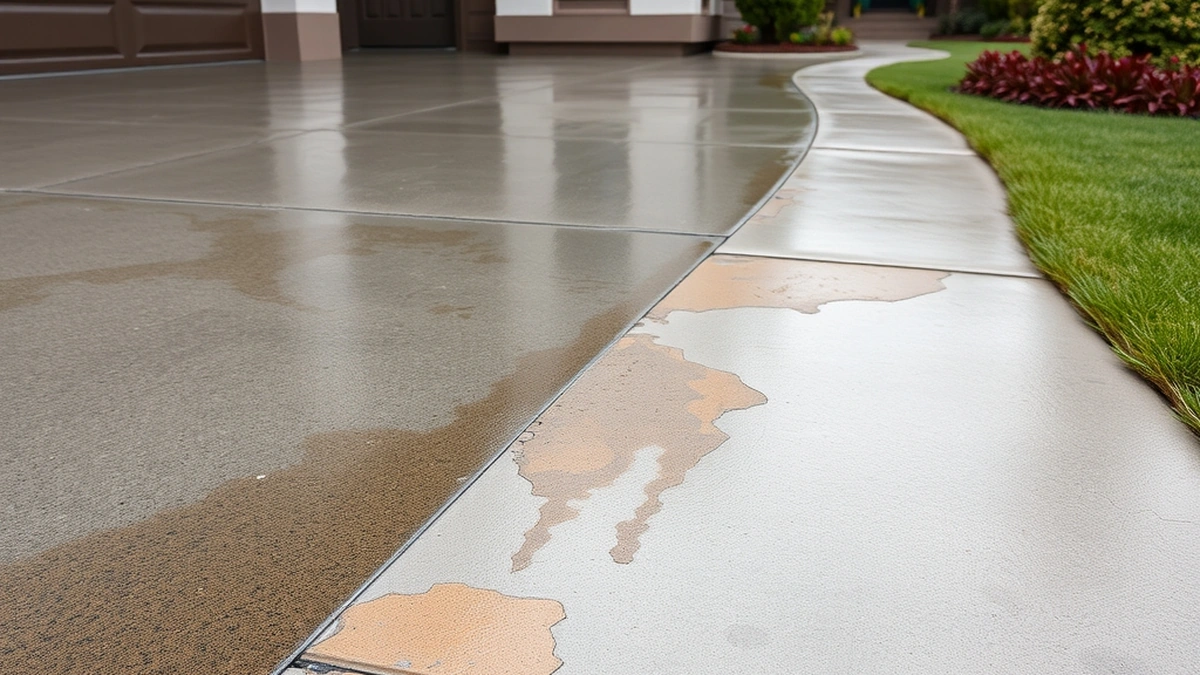
Walk the driveway after a rain, because water shows you where the failures are. A plug that has debonded will hold a dark wet line along its edge long after the surface dries.
The spring routine
- Walk the full length of every crack and note sunk, lifted, or cracked plugs.
- Probe a suspect plug with a screwdriver; if it lifts easily, it has debonded.
- Clean out failed material back to sound asphalt.
- Refill on a dry day above 50 F, following the same preparation as a new installation.
- Record the date and location so next year’s check has a baseline.
The fifth step is the one people skip, and it is the one that turns maintenance from guesswork into a schedule.
Touch-up versus full replacement of a plug
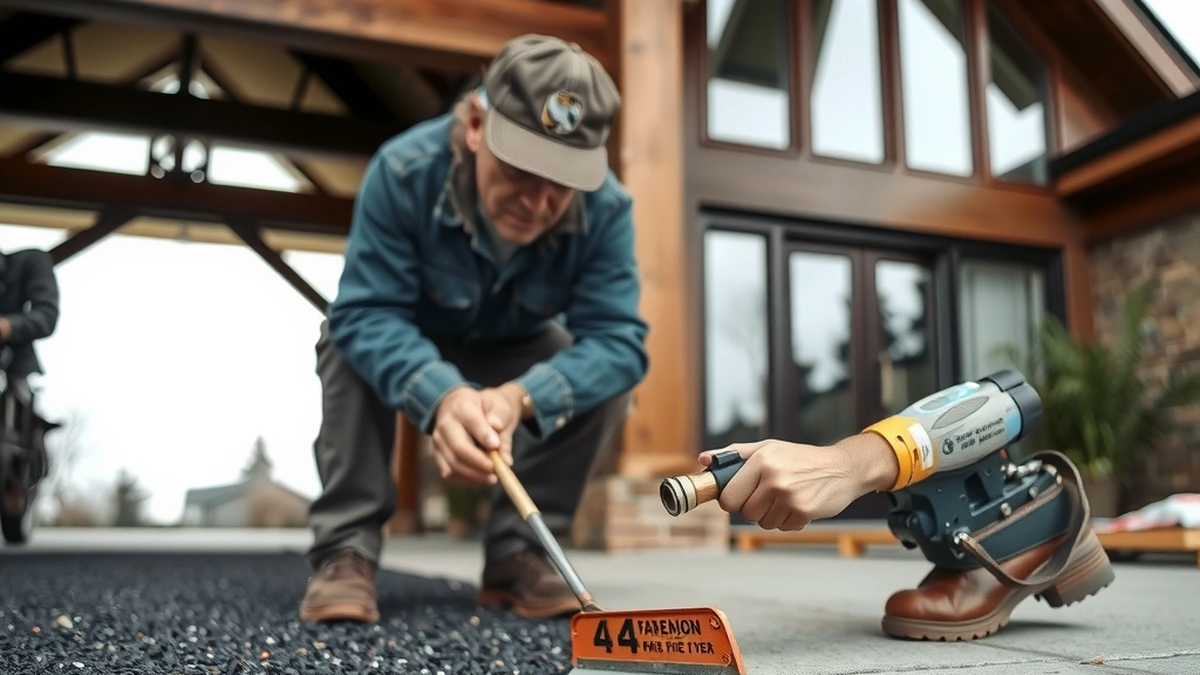
A sunk plug that is still bonded can be topped up. Clean the depression, dry it, and add fresh material.
A lifted or cracked plug has to come out. New rubber will not bond to failed filler, and leaving the old material in place means the new plug lifts with it attached.
A plug that has been refilled twice in the same crack is telling you something. Stop refilling and look at the base. Our hot-pour crack fill problems guide covers the diagnosis.
Coordinating with sealcoat
Crack fill and sealcoat are a pair, and the order is fixed: fill first, then coat.
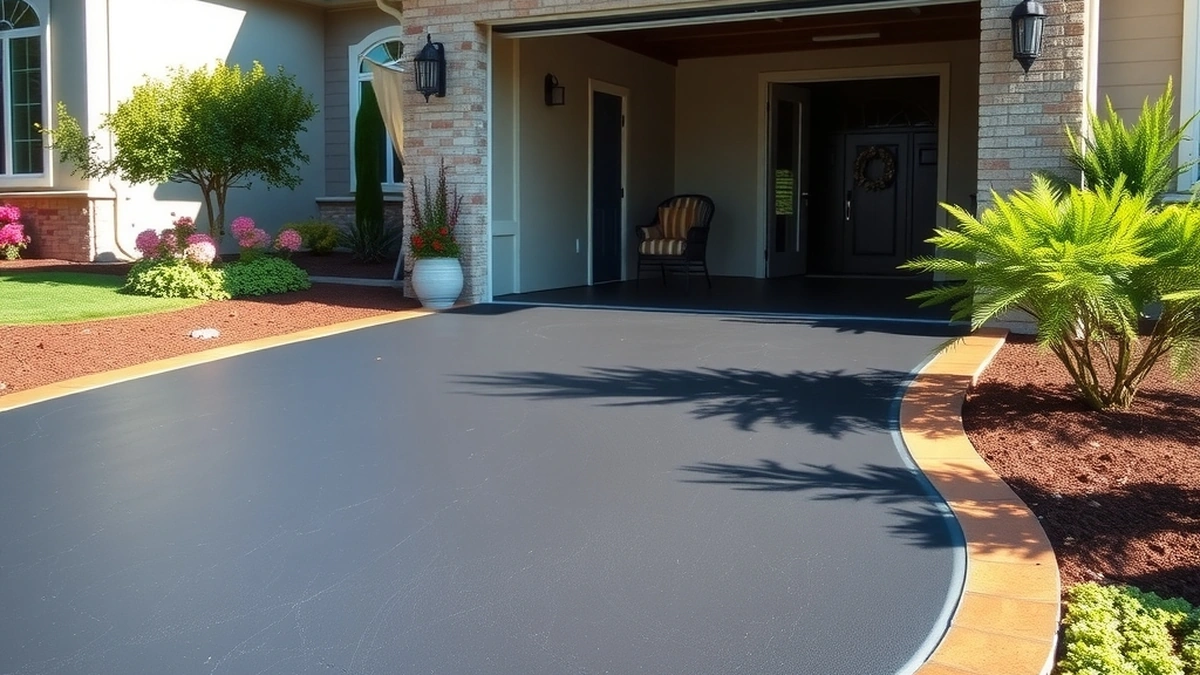
Sealcoat at $0.15 to $0.30 per square foot protects the filler edges from traffic and weather, and it gives the driveway a uniform appearance that makes future failures easier to spot.
The sealcoat cycle is two to four years, and crack fill is typically redone at the same time. Bundling the two saves a mobilization charge, which on a small driveway can be $80 to $150. Our driveway sealing cost page covers the rates, and how often to seal a driveway sets the interval.
Winter preparation
Cold weather does most of the damage to crack fill, through freeze-thaw cycling and plow blades.
Before the first freeze, check that every plug sits at or slightly above the surface. A plug sitting low holds water, and that water expands when it freezes.
Mark plow stakes at the driveway edges so the blade stays off the pavement edge, where fills are most likely to be scraped out.
Keep de-icing salt off fresh filler for the first season where possible. Salt does not dissolve the rubber, but it accelerates the freeze-thaw cycle at the crack edges.
When maintenance stops making sense
Three conditions mean the money should go elsewhere.
Cracks that reopen in the same line every year are being pulled apart by something below the surface. Refilling is a subscription, not a repair.
Sections that have settled, with a lip at the crack edge, are a base failure. Filler cannot hold two plates that are moving independently.
Alligator cracking across more than a quarter of the surface means the pavement has lost its flexibility. Individual crack fills in that pattern are cosmetic.
In those cases the options are an overlay at $3 to $7 per square foot or replacement at $8 to $15. On 600 square feet that is $1,800 to $4,200 or $4,800 to $9,000, against $260 to refill 80 linear feet of cracks. The overlay is more expensive today and cheaper over the next decade.
A maintenance budget that fits reality
For a 600 square foot driveway with 80 linear feet of cracks:
Crack fill touch-up: 80 × $3.25 = $260, every three to five years. Sealcoat: 600 × $0.20 = $120, every two to four years. Annual average across a decade: roughly $52 to $87 for crack fill and $30 to $60 for sealcoat.
Call it $80 to $150 a year for a maintained driveway. Compare that with an overlay at $1,800 to $4,200 and the arithmetic for keeping up with maintenance is straightforward, as long as the base is sound.
The yearly walk is ten minutes. It is the cheapest insurance in the whole schedule. For installation detail, see hot-pour crack fill installation, and for pricing, hot-pour crack fill cost.
Frequently asked questions
How often should crack fill be maintained?
Inspect once a year in spring, after the freeze-thaw season. Touch up any plug that has sunk, lifted, or cracked, and reseal the surface every two to four years.
How long does hot-pour crack fill last?
Three to five years on a residential driveway when the crack was clean, dry, and correctly filled. Cracks that are moving will need attention sooner regardless of the filler.
Can I top up a crack that has sunk?
Yes, if the plug is still bonded. Clean the depression, dry it, and add fresh hot-pour material. If the plug is loose, remove it entirely and refill from the base.
Should I sealcoat over crack fill?
Yes. Sealcoat at $0.15 to $0.30 per square foot protects the filler edges and gives a uniform finish. It also makes a failing plug easier to spot next spring.
What is the best time of year to maintain crack fill?
Late spring or early autumn, when the pavement is dry and air and surface temperatures are above 50 F. Spring inspections catch winter damage before water gets into the base.
When should I stop maintaining and replace the driveway?
When cracks keep returning in the same lines, when sections have settled, or when alligator cracking covers more than a quarter of the surface. At that point a filler is delaying the inevitable.
Sources
Some links are affiliate links.If you buy through them we may earn a commission at no extra cost to you. We do not accept payment for rankings. Read the full disclosure.