Hot-pour crack fill vs cold patch: two repairs
Hot-pour fill seals cracks at $2-$5 per linear ft; cold patch fills holes for a few dollars a bag. Different failures and different durability.
Hot-pour crack fill seals cracks at $2 to $5 per linear foot and lasts three to five years. Cold patch fills potholes for a few dollars a bag and lasts a season. One repairs an opening, the other replaces lost material, and a driveway can need both.
- Hot-pour
- $2-$5 per linear ft
- Cold patch
- A few dollars per bag
- Hot-pour life
- 3-5 years
- Cold patch life
- One season to a few years
- Permanent patch
- $100-$400 per pothole
Some links on this page are affiliate links.If you buy through them we may earn a commission at no extra cost to you. We do not accept payment for rankings. Read the full disclosure.
Hot-pour crack fill and cold patch are both asphalt repair materials and they are not interchangeable. Hot-pour seals an opening at $2 to $5 per linear foot and lasts three to five years. Cold patch replaces lost material in a hole for a few dollars a bag and lasts a season. Different failures, different products.
What each one repairs
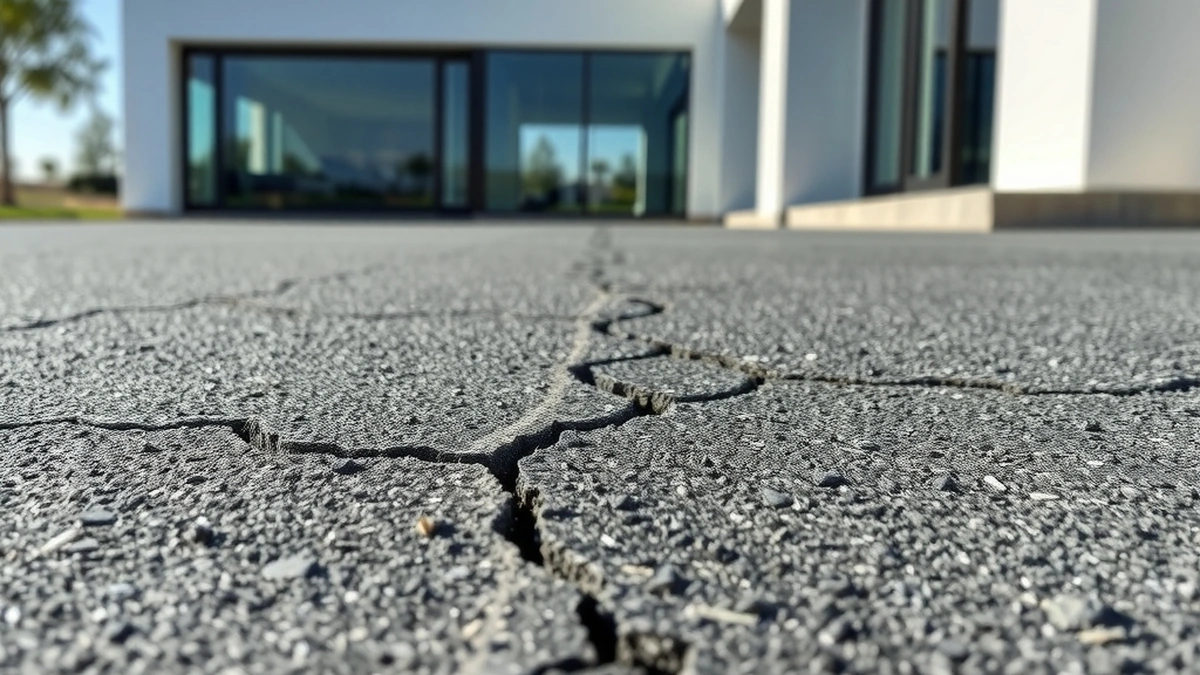
Hot-pour crack fill is a rubberized asphalt sealant heated to 350 to 400 F and poured into a crack, where it cools into a flexible plug.
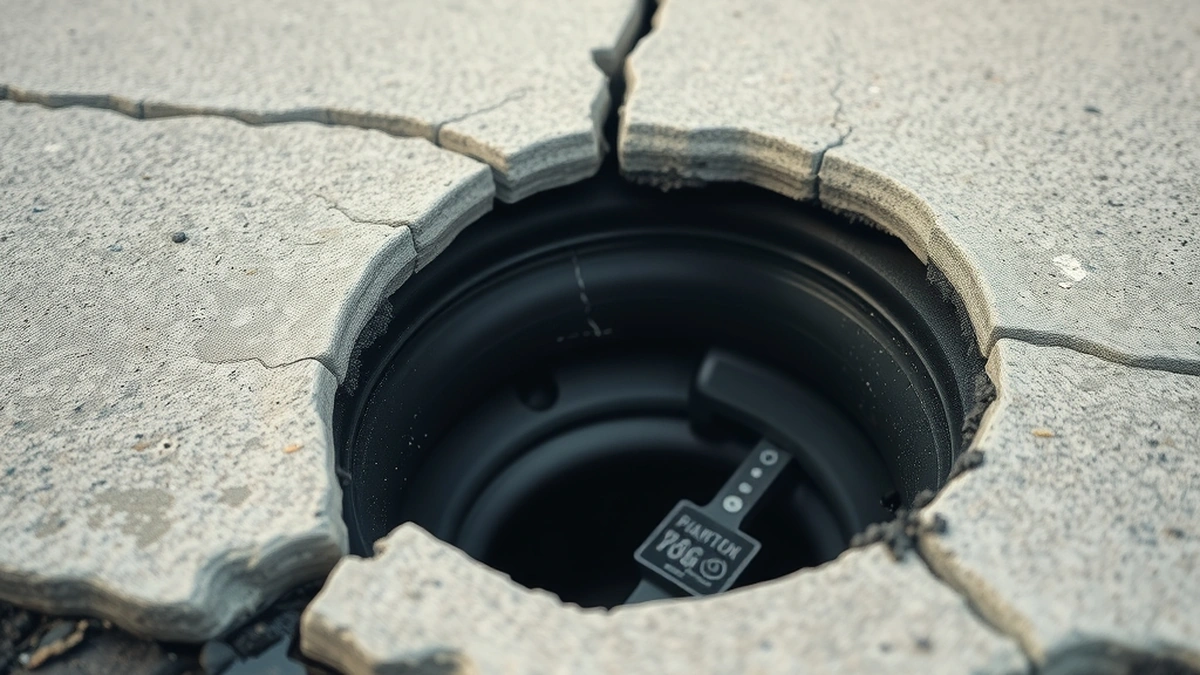
Cold patch is a bagged asphalt mix with a solvent-cut binder, placed without heat to fill a pothole.
A crack is a line. A pothole is a volume. The materials are formulated for those two shapes, and using either for the other job produces a poor result.
Head to head
| Attribute | Hot-pour crack fill | Cold patch |
|---|---|---|
| Repairs | Cracks | Potholes |
| Unit | Linear foot | Bag |
| Cost | $2-$5 per linear ft | A few dollars per bag |
| Application | Heated to 350-400 F | Cold, tamped |
| Life | 3-5 years | One season to a few years |
| Equipment | Melter, wand, PPE | Shovel, tamper |
| Skill needed | Moderate to high | Low |
| Best use | Cracks over 1/4 inch | Holes, winter stopgap |
Why the materials are not interchangeable
Cold patch in a crack fails because there is nowhere for it to compact. The material needs volume to densify; pressed into a narrow opening, it stays loose and is picked out by tires within weeks.
Hot-pour in a pothole fails because it is a sealant, not a structural fill. It will not carry load, and a plug of rubber in a 3-inch-deep hole breaks up under traffic.
Each product is doing a job the other was not designed for. A contractor who offers to “crack fill” with cold patch, or to “patch” a pothole with hot-pour rubber, is either misdescribing the work or planning to do it badly.
Cost per year, worked through
A driveway with 100 linear feet of cracks:
Hot-pour at $3.50 per foot: $350, lasting four years. That is $87.50 a year. Cold patch, if it could be used: a few bags, but it would need replacing every season and would not bond. Not a real comparison.
A driveway with one pothole:
Cold patch: under $20, lasting one season. That is under $20 a year, plus your time. Hot-mix patch: $100 to $400, lasting several years. At $250 over five years, $50 a year.
For the crack work, hot-pour is the only option that lasts. For the pothole, cold patch is cheaper per year only if you ignore the labor and the risk of the hole growing.
When each product is the right buy
Cracks wider than a quarter inch, on a driveway you intend to keep.
Cracks that run in lines rather than connecting into an alligator pattern. If the pattern is alligator, the whole area has failed and neither product is the answer.
Any driveway with more than about 50 linear feet of cracks, where renting a melter or hiring a crew pays for itself. Below that, a cold-pour bottle product is a reasonable DIY choice, because the equipment cost of hot-pour cannot be spread over enough work.
When cold patch is the right buy.
A pothole that appears in winter, when hot mix is unavailable.
A temporary repair on a property scheduled for replacement.
A stopgap before a contractor visit, where the hole needs to be safe in the meantime.
Cold patch is honest about being temporary. The price reflects it, and so does the life.
It is also the only one of the two that can be applied in freezing conditions. Hot-pour needs the crack dry and the material at temperature; cold patch will go into a damp hole at 35 F, which is why winter repair crews keep bags on the truck.
The repair sequence for a driveway with both
- Clean the driveway and let it dry.
- Fill cracks wider than a quarter inch with hot-pour rubber.
- Patch potholes with hot mix, squared and compacted in lifts.
- Blot and trim the filler.
- Prime oil spots.
- Seal the whole surface at $0.15 to $0.30 per square foot.
Steps 2 and 3 are separate repairs with separate materials. Doing them in one visit saves mobilization, which is why contractors bundle crack filling, patching, and sealing.
What neither product fixes
Both are surface repairs. Neither corrects a base that has failed, and neither stops a crack that is being pulled apart by movement underneath.
If a filled crack reopens within a season, the problem is below the surface. If a patched pothole returns within a year, the same is true. Our alligator cracking repair guide covers the diagnosis, and potholes repair covers the hole-specific options.
At that point the money belongs on an overlay at $3 to $7 per square foot or replacement at $8 to $15, not on more filler.
Getting the pricing right
Ask for crack filling by linear foot and patching by the hole, as separate lines. A single “repair” figure hides which material was used and at what rate.
Ask too what happens if a crack turns out to be moving, or a pothole turns out to have a soft base. The answer should be a change order with a stated rate, agreed before work starts.
For the detail on each, see hot-pour crack fill cost and cold patch cost. If the repair keeps failing, hot-pour crack fill problems and cold patch problems cover the causes. Our hot-pour crack fill installation and cold patch installation guides cover the methods.
Frequently asked questions
Is hot-pour crack fill the same as cold patch?
No. Hot-pour is a rubberized sealant heated and poured into a crack. Cold patch is a bagged asphalt mix used to fill a pothole. They repair different failures.
Can I use cold patch to fill a crack?
Not well. Cold patch is designed for holes with volume. Pressed into a narrow crack it does not bond or compact properly and is picked out by tires.
Can hot-pour fill a pothole?
No. Hot-pour is a sealant, not a structural fill. A pothole needs asphalt material placed in lifts and compacted, which is what cold patch or hot mix provides.
Which lasts longer?
Hot-pour crack fill lasts three to five years in a sound crack. Cold patch lasts one season to a few years depending on preparation. A hot-mix pothole patch lasts several years.
Do I need both on one driveway?
Often. A driveway with cracks and a pothole needs the crack filled and the hole patched, then the whole surface sealed.
Which is cheaper?
Cold patch per bag, hot-pour per foot. On a large area of cracks, hot-pour is cheaper per year because it lasts far longer; on one small hole, cold patch is cheaper for a stopgap.
Sources
Some links are affiliate links.If you buy through them we may earn a commission at no extra cost to you. We do not accept payment for rankings. Read the full disclosure.