Acrylic sealer vs cold patch: film or filler
Acrylic sealer is a clear film at $0.15-$0.30 per sq ft; cold patch fills a pothole for a few dollars a bag. Why clear coatings make every patch visible.
Acrylic sealer protects a surface at $0.15 to $0.30 per square foot and stays clear, so patches show through. Cold patch fills a pothole for a few dollars but lasts a season. Patch first with hot mix if the repair needs to last, then coat.
- Acrylic
- $0.15-$0.30 per sq ft
- Cold patch
- A few dollars per bag
- Acrylic life
- 1-3 years
- Cold patch life
- One season to a few years
- Hot-mix patch
- $100-$400 per pothole
Some links on this page are affiliate links.If you buy through them we may earn a commission at no extra cost to you. We do not accept payment for rankings. Read the full disclosure.
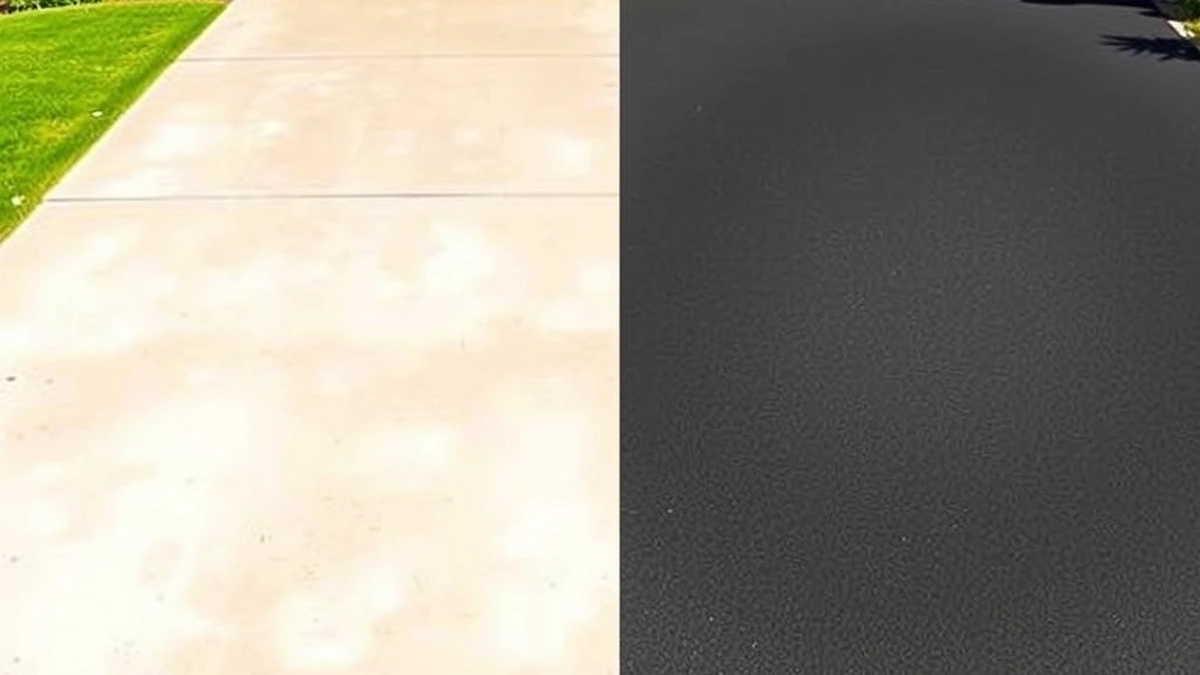
Acrylic sealer and cold patch rarely appear in the same sentence, and that is the point: one is a finish, the other is a filler, and they interact badly on appearance. Acrylic at $0.15 to $0.30 per square foot stays clear, so a cold patch underneath remains visible. If the driveway is decorative, that matters.
What each product is
Acrylic sealer is a water-based polymer coating that cures clear or tinted, protecting a surface without covering its colour.
Cold patch is a bagged asphalt mix with a solvent-cut binder, workable without heat, used to fill potholes quickly.
Coating and filler. Both are surface products, and neither repairs a base.
Head to head
| Attribute | Acrylic sealer | Cold patch |
|---|---|---|
| Purpose | Protect and preserve colour | Fill a hole |
| Unit | Square foot | Bag |
| Cost | $0.15-$0.30 per sq ft | A few dollars per bag |
| Life | 1-3 years | One season to a few years |
| Hides repairs | No | Not applicable |
| Best surface | Concrete, decorative asphalt | Any asphalt with a hole |
| Order | Second | First |
The “hides repairs” row is the practical difference. A black coating covers a patch; acrylic displays it.
Why the patch stays visible
Acrylic is transparent. Under it, a cold patch reads as a darker, coarser rectangle against the surrounding surface.
On a plain black driveway, that is a cosmetic annoyance. On a coloured or stamped driveway, it is the difference between a finish that looks continuous and one that looks repaired.
This is not a defect in either product. It is what happens when a clear coating meets a repair, and it is worth knowing before you decide which coating to buy.
The reverse is also true. A black emulsion coat at the same price per square foot would cover the patch completely, and most homeowners who see the two side by side choose the black for exactly that reason. Acrylic buyers are buying colour, not concealment.
Cost of both, worked through
A 400 square foot coloured asphalt driveway with one 3 square foot pothole:
Cold patch: under $20 for two bags. Acrylic at $0.24 per square foot: 400 × $0.24 = $96. Total: under $116.
The same job with a hot-mix patch at $250: $346 total.
Over five years, the cold patch route means five bags and five afternoons, plus two acrylic recoats at $96 each, about $212. The hot-mix route means one patch plus the same recoats, $442. The permanent patch costs more in money and far less in time.
The comparison shifts on a driveway with several holes. Five cold patches at $20 and five weekends is $100 and a summer of work. One crew visit to patch five holes at $200 each is $1,000, and it lasts years. Neither route is obviously right until you put a value on your own time.
When each product is the right buy
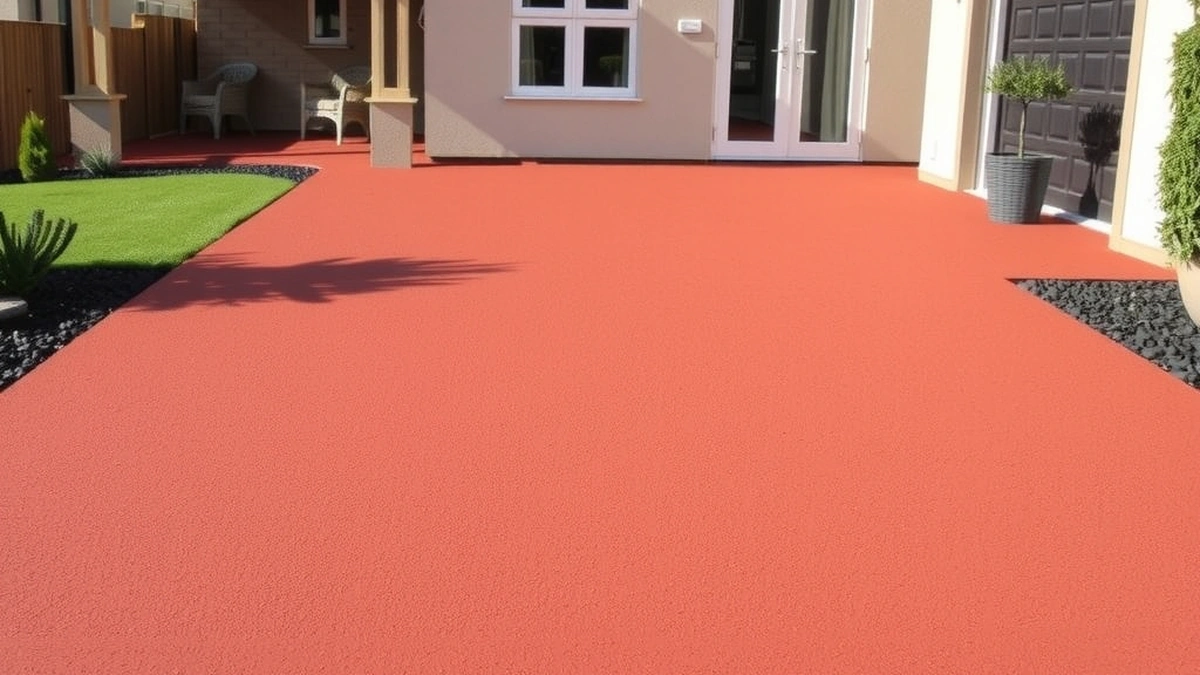
Decorative asphalt. Stamped, coloured, or exposed-aggregate surfaces need a clear film. A black coat erases the pattern.
Concrete. Clear acrylic protects concrete and keeps its colour; emulsion and coal tar are asphalt products and look wrong on concrete.
Visible frontage. Where appearance is the point, clarity has value a cost table does not capture.
Low odour. Acrylic is easier to apply near open windows, garages, and shared entries.
In those cases the shorter interval and the visible patches are the price of preserving the surface’s appearance.
When cold patch is the right filler.
Winter emergencies, when hot mix is unavailable.
Temporary access on a property scheduled for replacement.
A stopgap before a permanent repair, where the hole needs to be safe in the meantime.
Outside those, a hot-mix patch at $100 to $400 is the durable option, and it looks neater under a clear coating because it can be finished flush.
The sequence that works
- Clean the surface and let it dry.
- Patch holes, squared and compacted, and finish flush.
- Fill cracks at $2 to $5 per linear foot.
- Prime oil spots.
- Apply acrylic at the label rate.
- Cure 24 to 48 hours before traffic.
Step 2 is where a clear coating demands more care. A patch finished proud shows as a ridge; one finished low shows as a puddle line.
What neither product fixes
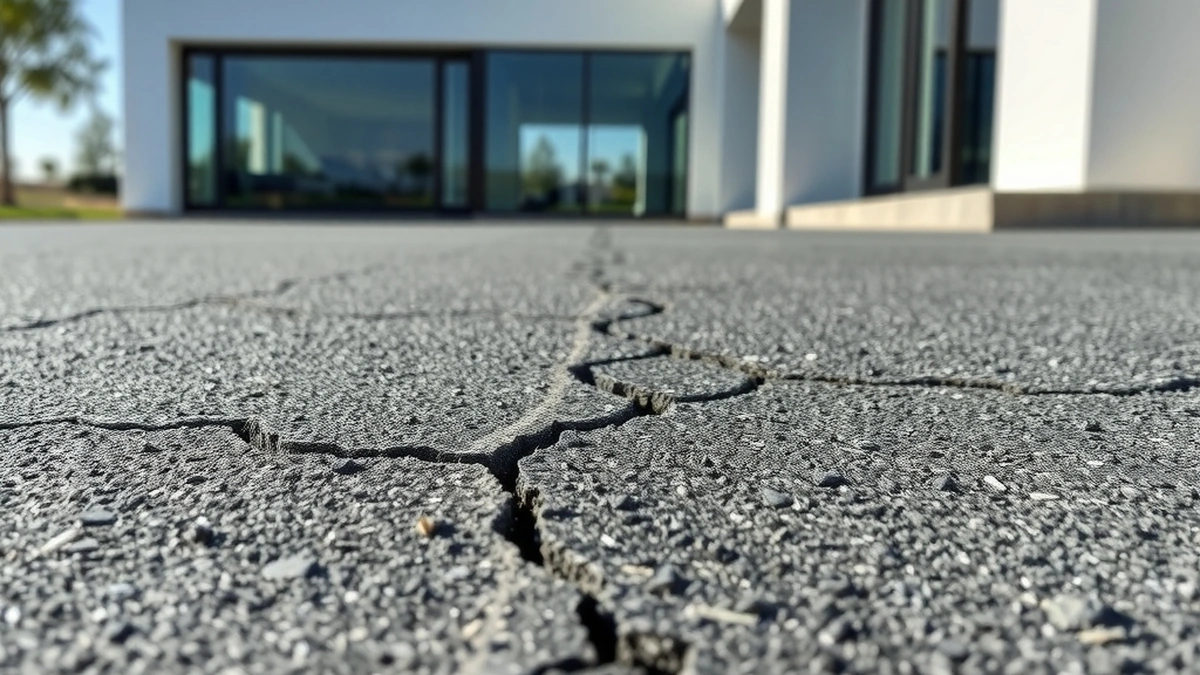
Alligator cracking across a quarter of the surface, ponding water, and soft spots are structural failures. The options are an overlay at $3 to $7 per square foot or replacement at $8 to $15.
Neither a patch nor a coating changes that. Under acrylic, the failure is at least visible rather than hidden, which is a small mercy.
Our alligator cracking repair guide covers the diagnosis, and driveway sealing repair explains how to separate surface wear from base failure.
Choosing in three questions
Is the surface decorative or concrete? If yes, acrylic, and accept that repairs will show.
Is the driveway plain black asphalt? If yes, emulsion at two to three years is cheaper per year and hides the repairs.
Is the hole permanent or temporary? If permanent, hot mix; if temporary, cold patch.
Those three answers settle the product choice in most cases. Add one more: how visible is the driveway from the street? A clear coating on a decorative front drive is worth the extra cycles; the same coating on a side yard nobody sees is money spent on an audience that is not there. For pricing, see acrylic sealer cost and cold patch cost. For the application, acrylic sealer installation covers the sequence.
Frequently asked questions
Can I seal over a cold patch with acrylic?
Once the patch is compacted and firm, yes. But acrylic is clear, so the patch will remain visible as a different colour and texture. That is a cosmetic issue, not a failure.
Does acrylic sealer hide pothole repairs?
No. Clear acrylic shows the surface exactly as it is. If hiding repairs matters, a black emulsion coating is the product that covers them.
Should I patch before sealing?
Always. Sealer is a thin film and cannot bridge a void. A coat over a hole sags, breaks, and lifts at the break.
Is cold patch good enough under acrylic?
For a temporary repair, yes. For a driveway you plan to keep, a hot-mix patch at $100 to $400 will last years rather than months and looks neater under a clear coating.
How long does acrylic last on a driveway?
One to three years. It is shorter than emulsion at two to three years, which is why acrylic costs more per year on plain asphalt.
Why use acrylic on a driveway at all?
For colour and appearance: decorative or coloured asphalt, and concrete, where a black coating would look wrong. On plain black asphalt, emulsion is usually the better value.
Sources
Some links are affiliate links.If you buy through them we may earn a commission at no extra cost to you. We do not accept payment for rankings. Read the full disclosure.