Driveway Sealing vs asphalt sealcoating
They are the same job under two names, with one useful difference in how contractors use the words. Here is where the terms split and why it matters for quotes.
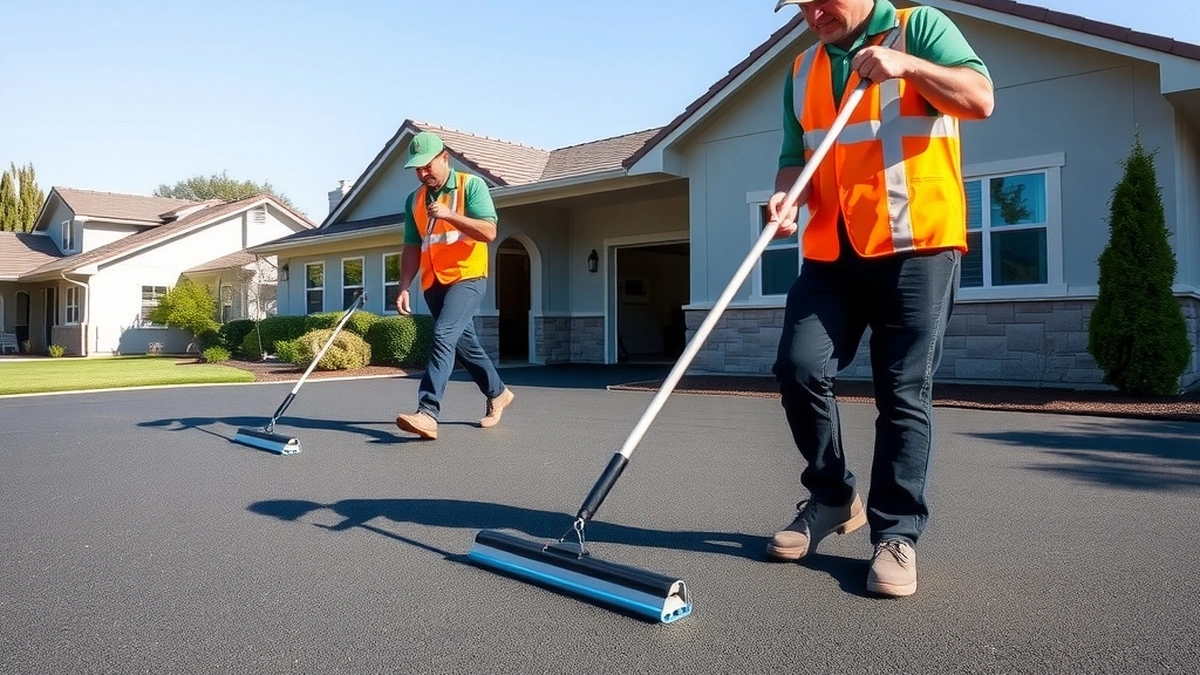
Driveway sealing and asphalt sealcoating describe the same process — applying a protective coating to asphalt. "Sealcoating" is the trade term for the material and the job; "sealing" is the broader word homeowners use, and it also covers concrete.
- Contractor sealcoat
- $0.15–$0.30 per sq ft
- DIY sealcoat
- $0.05–$0.12 per sq ft
- Crack filling
- $2–$5 per linear ft
- Re-seal interval
- 2–4 years
Some links on this page are affiliate links.If you buy through them we may earn a commission at no extra cost to you. We do not accept payment for rankings. Read the full disclosure.
Driveway sealing and asphalt sealcoating are the same job. Both mean applying a protective coating to an asphalt surface to slow oxidation and keep water out. The only real difference is vocabulary: “sealcoating” is the paving trade’s term for the material and the process, while “sealing” is the broader word homeowners use, and it also applies to concrete.
The definition, in plain terms
Asphalt sealcoating is the application of a liquid coating — usually asphalt emulsion or coal tar — to an existing asphalt surface, applied in one or two thin coats and left to cure into a protective film. Driveway sealing is the same operation described in residential language.
The words converged because the product category converged. Fifty years ago, “sealing” could mean almost anything applied to a driveway, including a thin oil spray. Today the material sold for the job is a formulated sealcoat with fillers, and the trade calls the work sealcoating. Homeowners kept the older word.
Where the terms actually diverge
There is one place the distinction carries information: what the contractor means by “repair.”
| Usage | What it usually means |
|---|---|
| “Sealcoating” | The surface coat only, quoted per square foot |
| “Sealing” from a residential company | The same coat, often bundled with cleaning and crack filling |
| “Sealing” from a general handyman | Sometimes a thin spray product with little solids content |
| “Sealing” on concrete | A completely different product family — film-forming concrete sealer |
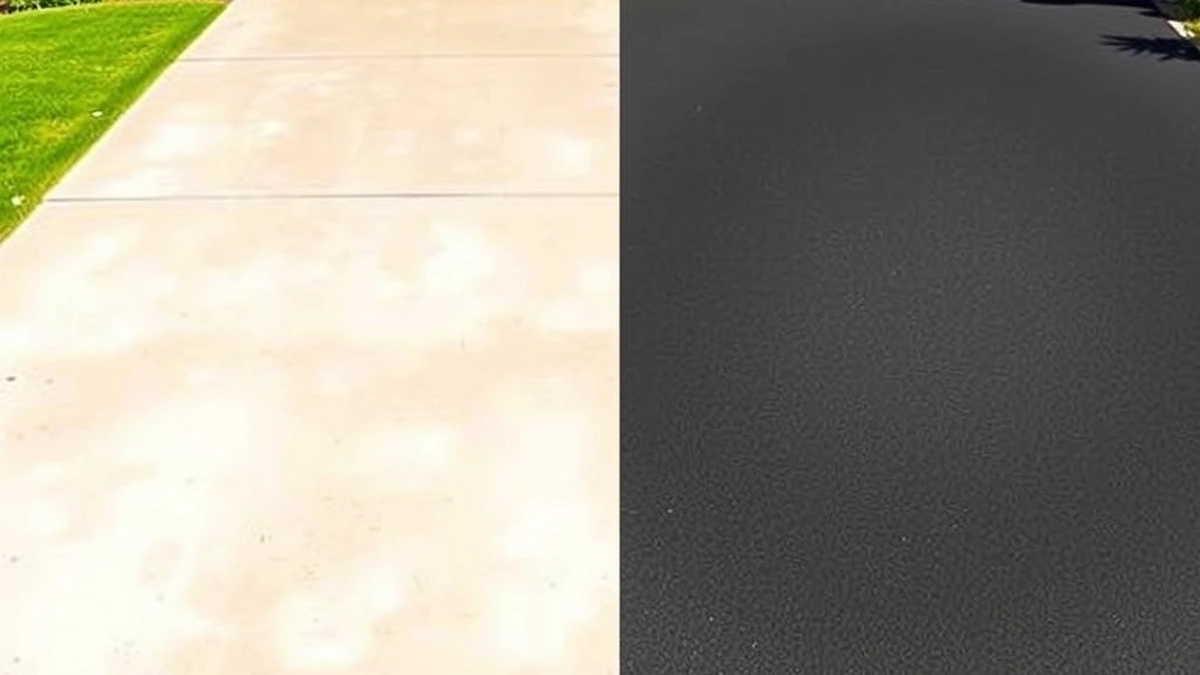
That last row is where confusion costs money. Concrete driveways are not sealed with asphalt sealcoat. They take a concrete sealer, which is a different chemistry, a different coverage rate, and a different skill set. If someone quotes you asphalt sealcoating for a concrete driveway, the quote is wrong. Our concrete driveway resurfacing guide covers what concrete actually needs.
The numbers are identical
Because the work is identical, the prices are identical. Estimates for 2026 US residential work:
| Item | Estimated cost | Unit |
|---|---|---|
| Contractor sealcoat | $0.15–$0.30 | per sq ft |
| DIY sealcoat material | $0.05–$0.12 | per sq ft |
| Crack filling | $2–$5 | per linear ft |
| Pothole repair | $100–$400 | each |
On an 800 sq ft driveway — 20 feet by 40 feet — the contractor range works out to:
800 sq ft × $0.15 = $120 800 sq ft × $0.30 = $240
The DIY material range on the same area:
800 sq ft × $0.05 = $40 800 sq ft × $0.12 = $96
A job that needs 50 linear feet of crack filling adds:
50 lf × $2 = $100 50 lf × $5 = $250
So the all-in contractor figure for that driveway is roughly $220 to $490. Anyone quoting “sealcoating” at a materially different number is either including different prep or selling a different product.
Sealcoating vs resurfacing vs sealing
Three terms get mixed together constantly, and they describe three different jobs at three different price points.
Sealcoating is a protective film measured in hundredths of an inch. It sits on top of sound asphalt and slows wear. Resurfacing, also called an overlay, adds a new layer of asphalt roughly 1.5 to 2 inches thick on top of the old surface. That runs $3–$7 per sq ft, so on 800 sq ft:
800 sq ft × $3 = $2,400 800 sq ft × $7 = $5,600
Full replacement removes the old pavement and rebuilds the base and surface, at $8–$15 per sq ft:
800 sq ft × $8 = $6,400 800 sq ft × $15 = $12,000
Sealing is the cheapest of the three by an order of magnitude, and it is also the only one that does nothing for structural problems. For the full decision framework, see is driveway sealing worth it and asphalt overlay cost.
Material differences hide behind the same word
Both “sealing” and “sealcoating” cover more than one product. The two common ones behave differently:
Coal tar sealant resists fuel spills well and has a long service history. It is also restricted or banned in a number of states and municipalities because of runoff concerns, so availability varies by location.
Asphalt emulsion is the modern residential default. It is lower odor, widely available, and performs well when applied properly, though it is less resistant to gasoline drips than coal tar.
A third category, acrylic sealer, is mostly used on concrete and decorative surfaces, not as an asphalt sealcoat. Our types of driveway sealing guide compares the families in detail.
How to use the terms when you get quotes
The terminology only matters because it changes what you ask for. Do this:
- Ask for the product name and its coverage rate in square feet per gallon, not just “sealer.”
- Confirm whether the quote includes cleaning, crack filling, and pothole patching, or just the coat.
- Ask how many coats, and at what coverage rate each one is applied.
- Confirm the surface is asphalt and not concrete, since the products do not interchange.
- Get the cure time and traffic window in writing.
With those five answers you can compare any two quotes regardless of which word the contractor uses.
Which word should you search for
Both. Search results for “driveway sealing” and “asphalt sealcoating” overlap heavily, and most established companies appear under both. The useful search is by city plus service, which is what finding a driveway sealing contractor near you walks through.
If you want the process in full, driveway sealcoating covers application step by step, and how much does driveway sealing cost has pricing by driveway size.
The short version: same job, two names, and one real distinction — sealing also describes concrete work, which uses a different product entirely.
Frequently asked questions
Is sealcoating the same as sealing?
On asphalt, yes. Sealcoating is the trade term for the protective coating and the process of applying it. Homeowners usually say sealing, and both refer to the same work.
Why do some contractors say sealcoating and others say sealing?
Regional habit and company marketing. Commercial paving firms tend to say sealcoating, while residential companies often say sealing because it is the word customers search for.
Does sealcoating work on concrete?
No. Concrete needs a concrete sealer, which is a different product. Asphalt sealcoat will not bond properly to concrete and should not be used on it.
Is sealcoating different from resurfacing?
Yes, by a wide margin. Sealcoating is a thin protective film at $0.15–$0.30 per sq ft mixing labor, resurfacing adds a new asphalt layer at $3–$7 per sq ft.
How often does asphalt need sealcoating?
Every two to four years for most residential driveways, depending on traffic, sun exposure, and how well the surface was prepared before the last coat.
Does sealcoating fill cracks?
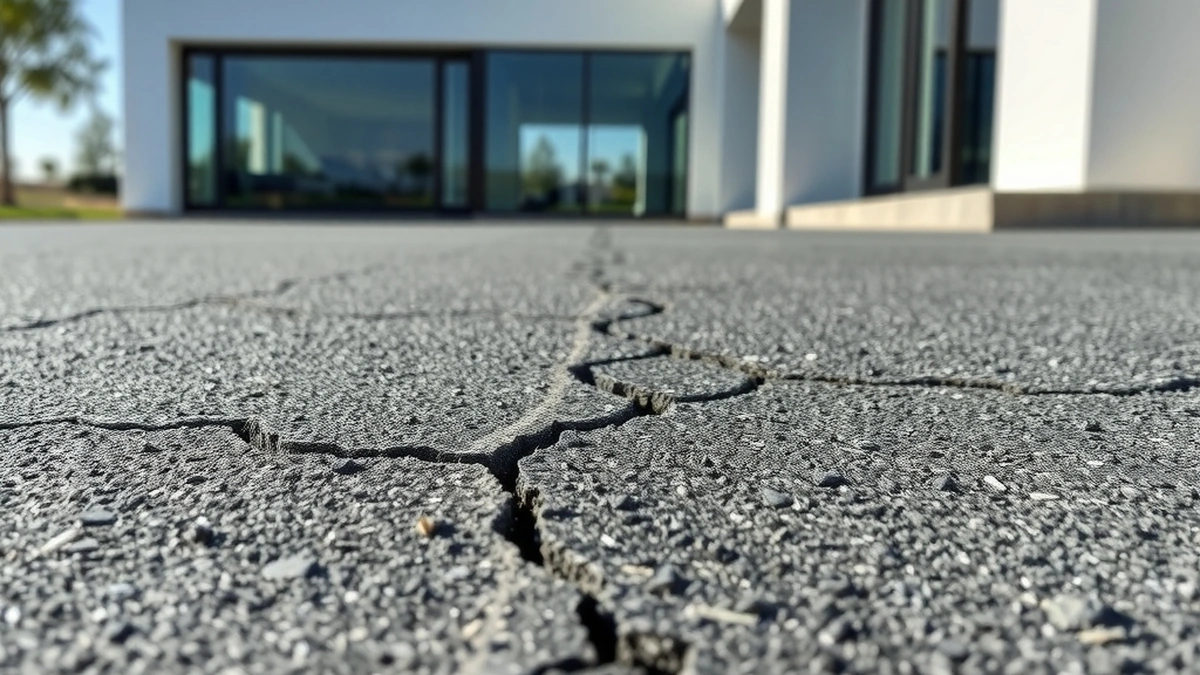
Only hairline cracks. Open cracks need crack filler at $2–$5 per linear ft before the sealcoat goes on, or the coating will crack along the same line.
Sources
Some links are affiliate links.If you buy through them we may earn a commission at no extra cost to you. We do not accept payment for rankings. Read the full disclosure.