Concrete driveway resurfacing
Resurfacing puts a new topping over a sound concrete slab for a fraction of replacement cost. When it works, when it fails, and what the numbers look like.
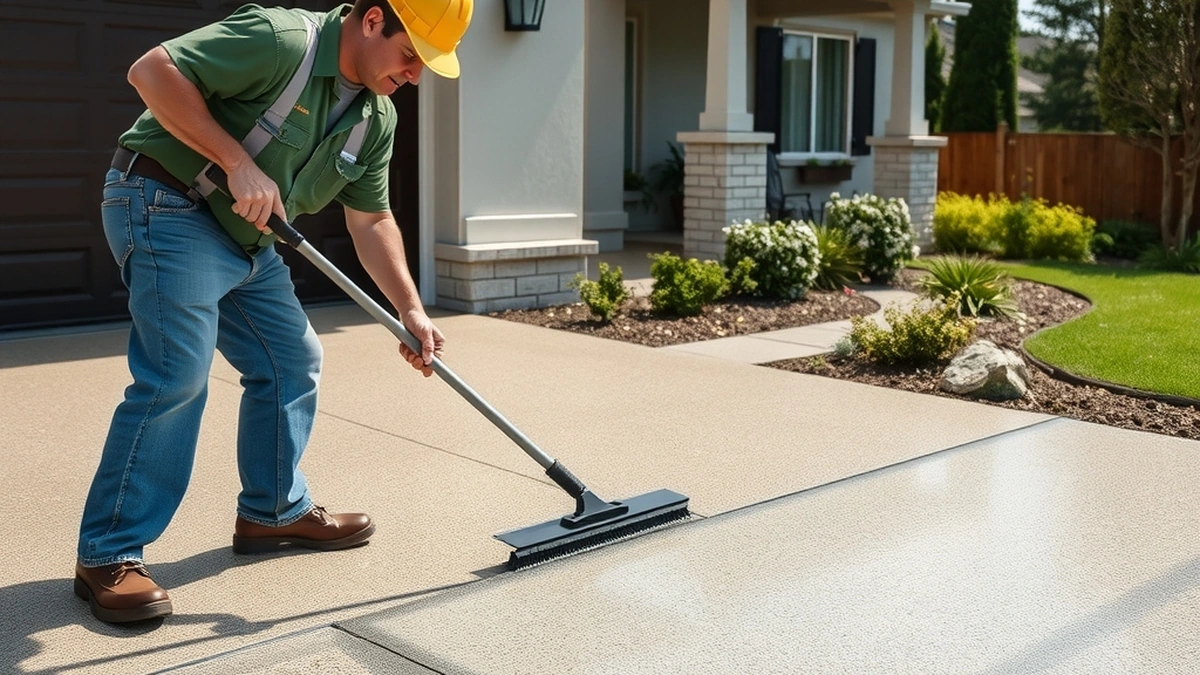
Concrete driveway resurfacing is a bonded topping, usually a quarter inch to two inches thick, applied over an existing slab that is structurally sound.
- Resurfacing estimate
- $3–$7 per sq ft
- Replacement estimate
- $8–$15 per sq ft
- Typical topping depth
- 0.25–2 in
- Vehicles after pour
- about 72 hours
Some links on this page are affiliate links.If you buy through them we may earn a commission at no extra cost to you. We do not accept payment for rankings. Read the full disclosure.
Concrete driveway resurfacing is a bonded topping applied over an existing concrete slab to restore a worn, stained, or lightly spalled surface. It costs an estimated $3 to $7 per square foot against $8 to $15 per square foot for replacement, and it only works when the slab underneath is still structurally sound.
What resurfacing actually is
Concrete resurfacing — also called a concrete overlay — is a thin layer of cementitious or polymer-modified material spread over a prepared slab. The topping is usually a quarter inch to half an inch for cosmetic work, and up to about two inches when it needs to rebuild a worn surface or correct minor grade.
It is not replacement, and it is not sealing. Sealing is a film measured in mils that protects the surface. Resurfacing replaces the top layer of concrete itself. Replacement removes the slab entirely, rebuilds the base, and pours new concrete.
Those three sit at very different price points, which is the whole reason resurfacing is popular.
What the numbers look like
Estimates for 2026 US work. Concrete pricing varies widely by region, so treat these as ranges to hold against local quotes.
| Work | Estimated cost | Unit |
|---|---|---|
| Concrete resurfacing | $3–$7 | per sq ft |
| Concrete replacement | $8–$15 | per sq ft |
| Slab crack repair | $250–$800 | per job |
| Concrete sealer | $0.20–$0.60 | per sq ft |
On a 600 sq ft driveway — 20 feet by 30 feet, a typical two-car width:
Resurfacing at the low end: 600 sq ft × $3 = $1,800
Resurfacing at the high end: 600 sq ft × $7 = $4,200
Replacement at the low end: 600 sq ft × $8 = $4,800
Replacement at the high end: 600 sq ft × $15 = $9,000
The gap on that driveway is roughly $600 to $7,200 depending on which ends of both ranges you land on. Resurfacing is usually cheaper, but not always by the margin homeowners expect, and the difference narrows once crack repair and prep are added.
When resurfacing works and when it does not
The decision is entirely about the slab underneath.
| Condition | Resurface? | Why |
|---|---|---|
| Surface staining and discoloration | Yes | Cosmetic, the topping covers it |
| Shallow scaling or spalling | Yes | A bonded topping rebuilds the top layer |
| Hairline surface cracks | Yes, after repair | Fill first, then top |
| Cracks running through the slab | No | Movement telegraphs through the topping |
| Settled or heaved sections | No | Grade problem, not a surface problem |
| Deep spalling exposing rebar | No | The slab has lost section |
| Crumbling from alkali-silica reaction | No | Ongoing chemical breakdown |
| Standing water or poor drainage | No, fix drainage first | Water destroys the bond |
The pattern: resurfacing fixes the surface, not the structure or the grade. If water sits on the driveway, if a section has dropped, or if cracks have widened over a couple of seasons, a topping will mirror the defect within a year or two.
A useful size check: a slab thinner than about four inches, or one that sounds hollow when tapped, is a poor candidate for an overlay because the bond has little to hold onto.
What the process involves
- Clean the slab and remove any loose, scaled, or delaminated material down to sound concrete.
- Repair cracks and spalls with a suitable patching material and let it cure.
- Grind or acid-etch the surface to open the pores so the bonding agent can key in.
- Apply a bonding agent or primer and respect its open-time window exactly.
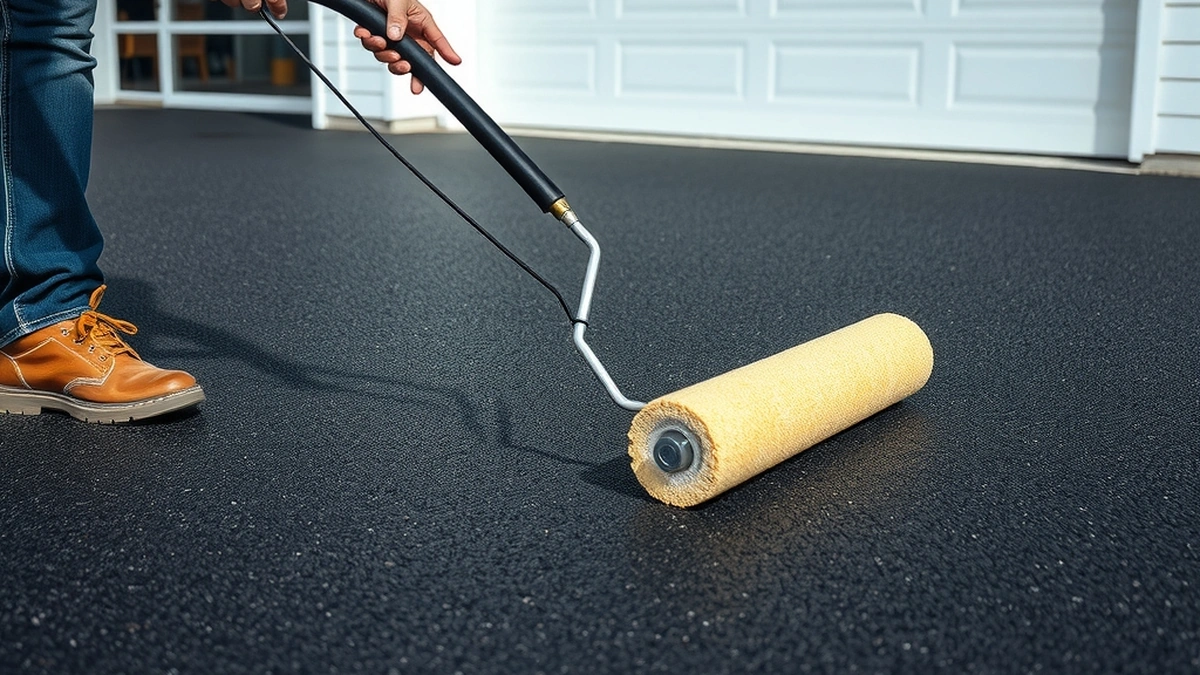
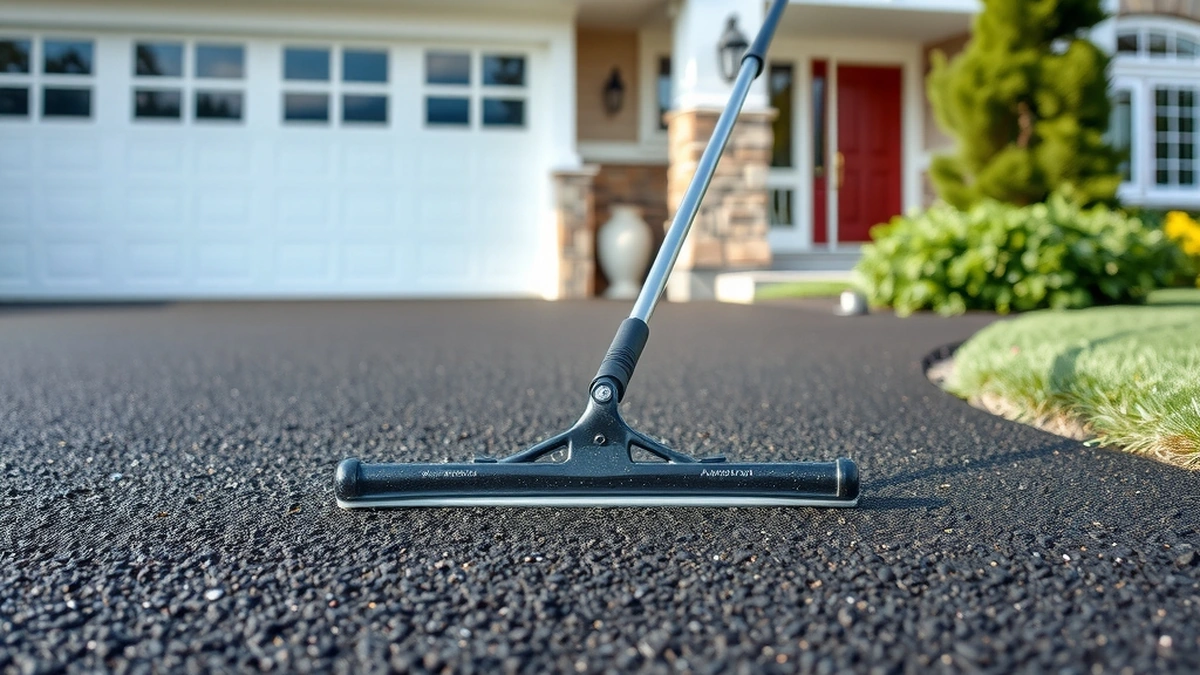
- Mix and spread the topping at the specified thickness, working in sections with a squeegee, trowel, or broom finish.
- Cure as directed by keeping the surface damp or using a curing compound, and keep traffic off for 24 to 48 hours.
Bonding is the whole job. A topping that debonds lifts in sheets within a season, usually starting at an edge or a low spot. That is why prep takes longer than the pour on most resurfacing projects.
Resurfacing vs the alternatives
Three options get compared for a worn concrete driveway, and they solve different problems.
Resurfacing restores appearance and rebuilds a shallow worn layer. It is the right answer for a sound slab with surface damage.
Replacement rebuilds everything. It is the right answer when the slab is cracked through, settled, or more than roughly 20 percent failed. Driveway replacement cost has the full numbers for both concrete and asphalt.
Sealing protects what is there. It is the cheapest option by an order of magnitude and the right call for a driveway in good shape that needs protection from freeze-thaw and de-icing salts.
One thing that does not belong in a concrete comparison: asphalt sealcoat. Asphalt and concrete take different products, and asphalt sealcoat will not bond to concrete. Driveway sealing vs asphalt sealcoating explains the split, and for the asphalt version of the same decision there is asphalt overlay cost.
Cost per year of service
Resurfacing looks expensive until it is spread out. On the 600 sq ft driveway:
Resurfacing at $5 per sq ft: 600 × $5 = $3,000
Spread over a 12-year service life: $3,000 ÷ 12 = $250 per year
Replacement at $11 per sq ft: 600 × $11 = $6,600
Spread over a 30-year service life: $6,600 ÷ 30 = $220 per year
Those two numbers are close. That is the honest case for replacement on a badly degraded slab: resurfacing a failing driveway costs about the same per year and comes with a shorter horizon. Where the slab is sound, resurfacing wins clearly because the cost is lower and the service life is long.
Maintenance after resurfacing
Wait for full cure before sealing. A new topping typically needs 28 days before a sealer goes on, and some products specify longer.
Once cured, seal every few years to keep de-icing salts and water out. Keep joints and cracks filled. Avoid rock salt where you can — calcium chloride blends are less damaging to concrete — and shovel with plastic or a rubber-edged blade rather than steel.
If you are pricing the whole job, concrete driveway cost breaks down installation, and acrylic sealer installation covers the decorative and protective coating side. For problems that need structural diagnosis rather than a surface treatment, driveway sealing repair walks through the call even though it is written for asphalt.
Frequently asked questions
Is resurfacing a concrete driveway cheaper than replacing it?
Usually yes, roughly half or less. Resurfacing runs an estimated $3–$7 per sq ft against $8–$15 per sq ft for tear-out and replacement, because it avoids demolition, hauling, and base work.
How long does a resurfaced concrete driveway last?
A bonded topping over a sound slab commonly lasts 10 to 15 years or more. If the slab is moving or cracked through, the topping mirrors those defects and fails much sooner.
Can you resurface a concrete driveway that is cracked?
Hairline cracks can be repaired before the topping goes down. Cracks that run through the slab, or that have widened with movement, mean the slab is failing and resurfacing will not fix it.
Does resurfacing hide spalling?
Yes, if the spalling is shallow and the surface is properly prepped and bonded. Deep spalling that has exposed rebar means the slab has lost section and needs patching or replacement instead.
Can I seal a concrete driveway instead of resurfacing?
Sealing protects a sound surface and costs far less, but it does not fill low spots, hide heavy staining, or rebuild a worn top layer. Asphalt sealcoat must never be used on concrete.
How soon can you drive on a resurfaced concrete driveway?
Typically 24 to 48 hours for foot traffic and about 72 hours for vehicles, depending on the product and weather. Heavy loads should wait a week or more.
Sources
Some links are affiliate links.If you buy through them we may earn a commission at no extra cost to you. We do not accept payment for rankings. Read the full disclosure.