Finding a driveway sealing contractor near you
How to shortlist, vet, and compare driveway sealing contractors — what to verify, what a fair quote looks like, and the answers that separate crews from.
Find a driveway sealing contractor through local paving suppliers, neighbors with recent work, and search results that match your city. Then verify insurance, ask for two local references from this season, and compare written scopes rather than prices.
- Fair contractor rate
- $0.15–$0.30 per sq ft
- Crack filling
- $2–$5 per linear ft
- Typical minimum job
- $150–$300
- Crew time on 800 sq ft
- 3–5 hours
Some links on this page are affiliate links.If you buy through them we may earn a commission at no extra cost to you. We do not accept payment for rankings. Read the full disclosure.
Finding a driveway sealing contractor near you is mostly a filtering problem. The work is common, the crews are plentiful, and the difference between a good one and a cheap one shows up two winters later. Shortlist from local sources, verify insurance and references, and compare written scopes instead of totals.
What you are actually hiring
A driveway sealing contractor applies a protective sealcoat to asphalt, usually after cleaning the surface and filling cracks. The job is small, which is exactly why quality varies so much: there is no permit, no inspection, and no license in most states specifically for sealcoating.
That means the vetting is on you. The useful questions are about insurance, preparation, and scope — not about how long the company has been in business, which anyone can claim.
What fair pricing looks like
Knowing the market rate is the first filter. Estimates for 2026 US residential work:
| Item | Fair range | Unit |
|---|---|---|
| Sealcoat, contractor applied | $0.15–$0.30 | per sq ft |
| Crack filling | $2–$5 | per linear ft |
| Pothole patching | $100–$400 | each |
| Minimum job charge | $150–$300 | per visit |
On an 800 sq ft driveway, the coat alone:
800 sq ft × $0.15 = $120 800 sq ft × $0.30 = $240
With 60 linear feet of cracks added:
60 lf × $2 = $80 60 lf × $5 = $300
So a realistic all-in figure for a mid-life two-car driveway is roughly $200 to $540. A quote of $89 for the same driveway is not a bargain; it is a different, smaller job than the one you asked for.
Where to look
Four sources work better than a generic search.
Local paving supply yards. Companies that sell sealcoat by the pail know which crews buy material every week. A counter clerk will often name two or three regulars. This is the single best source and almost nobody uses it.
Neighbors with driveways that have survived. Look for a driveway that is uniformly dark and crack-free after two or three winters, then ask who did it. Judgment after weathering beats any online rating.
Search results localized to your city. Search the service plus your town, not just the service. Local companies rank for local terms, and the results tell you who is actually working your area rather than running ads nationally.
Community groups and local forums. Recommendations come with context — driveway size, price paid, whether the crew showed up — that reviews rarely include.
How to vet a contractor
- Ask for a certificate of liability insurance and confirm the policy is current. Call the number on the certificate rather than trusting a photo.
- Ask for two references from jobs done in the current season, in your town, and call both.
- Ask who does the crack filling: their own crew or a subcontractor.
- Ask what product they use and request the coverage rate in square feet per gallon.
- Confirm they will clean and degrease the surface, not just blow it off.
- Get the scope, price, and cure time in writing before any deposit.
- Confirm payment terms. Full payment before the work starts is a warning sign.
A contractor who answers all seven without hesitation is worth a second conversation. One who gets vague at question four is telling you something.
Comparing bids properly
Two quotes on the same 800 sq ft driveway:
| Line | Company A | Company B |
|---|---|---|
| Coat price | $150 | $260 |
| Coats | 1 | 2 |
| Cracks | Not included | 60 lf included |
| Oil spot priming | No | Yes |
| Product named | “Commercial grade” | Named emulsion, coverage listed |
| Written scope | Verbal | Yes |
Company A looks $110 cheaper. But 60 linear feet of crack filling at $2–$5 per linear foot is $120 to $300, and a second coat is material and labor Company A is not providing. Company B is the better value and the more honest quote, because you can see what you are buying.
Normalize by dividing each total by square footage. Company A’s effective rate is 150 ÷ 800 = $0.19 per sq ft for a partial job. Company B is 260 ÷ 800 = $0.33 per sq ft for the complete one. The second number is above the market range for the coat alone, which is correct — it includes the crack work.
Red flags worth walking away from
- A one-line price with no scope and no product name.
- Pressure to decide today, or a discount that expires when the truck leaves.
- No insurance certificate, or a certificate that names a different company.
- Willingness to seal a driveway less than 90 days old.
- A promise to “seal right over” open cracks, or to skip cleaning because “the sealer covers it.”
- Cash-only payment with no receipt or written agreement.
- No local address and no local references.
None of these is proof of fraud. Together they describe a crew optimized for volume rather than for a coat that lasts.
What a good job looks like on the day
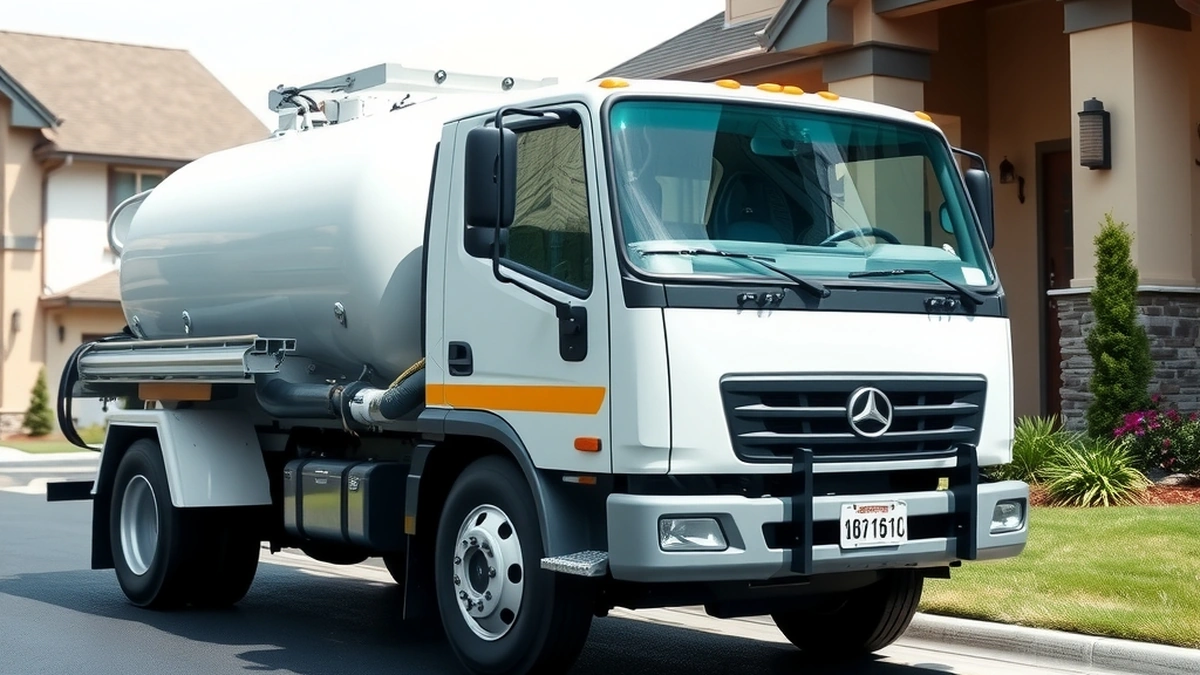
Expect the crew to arrive with a trailer-mounted tank and spray equipment, or hand tools on very small jobs. They should clear the surface, blow or wash it, fill cracks, spot-prime stains, tape off the garage apron and any concrete, then apply the coat in even passes.
On 800 square feet, expect three to five hours of work. Curing takes 24 to 48 hours before traffic, longer in cool or humid weather. A good crew tells you the traffic window without being asked and leaves you a way to reach them if something looks wrong after it dries.
Check the finished surface in daylight: even color with no lap marks, no sealer on siding, grass, or garage doors, cracks that are filled flush rather than bridged, and no puddles of excess material at the edges.
After the job
Walk the driveway with the contractor before final payment, and photograph it. Note the date so you can plan the next coat — how long does driveway sealing last puts that at two to four years.
For pricing context before you call anyone, driveway sealing cost per square foot has the full table by driveway size, and best driveway sealing explains what a correct application includes. If your driveway has structural damage, read driveway sealing repair first — you may need a paving contractor rather than a sealing crew.
Frequently asked questions
How do I find a reputable driveway sealing contractor?
Ask local paving supply yards who buys material regularly, ask neighbors whose driveways still look good after two winters, and check that any company you shortlist carries liability insurance and can give local references.
Should I use a company that only does sealing?
Not necessarily. Many good crews do sealing plus crack repair and patching. What matters is whether they do the prep themselves or subcontract it, and whether they will put the scope in writing.
What should a driveway sealing quote include?
Square footage, linear feet of cracks to be filled, number of coats, product name, whether oil spot priming is included, cure time, and payment terms. A one-line price is not a quote.
Is the cheapest driveway sealing quote a bad sign?
Often. A price well under local rates usually means skipped crack filling, one thin coat, or no surface cleaning. Compare the scope line by line before comparing totals.
Do I need to be home during driveway sealing?
Not for the work itself, but be there at the start to confirm scope and at the end to walk the job. You want to see the surface before payment and confirm the traffic window.
How soon can a contractor seal my driveway after it is installed?
New asphalt should cure for roughly 90 days before sealing. A contractor who offers to seal a driveway poured last month is skipping a step that affects adhesion.
Sources
Some links are affiliate links.If you buy through them we may earn a commission at no extra cost to you. We do not accept payment for rankings. Read the full disclosure.