Asphalt emulsion sealer vs acrylic sealer
Black emulsion lasts 2-3 years and hides repairs; acrylic stays clear or tinted and lasts 1-3. Same $0.15-$0.30 per sq ft band, different jobs.
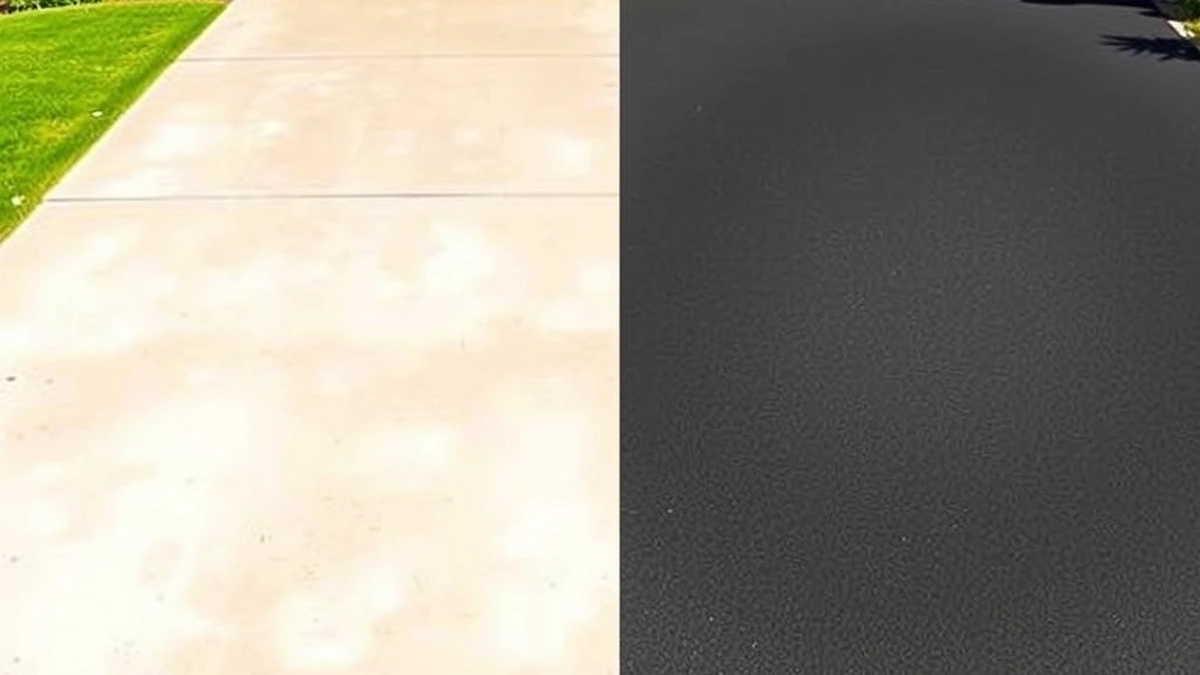
Asphalt emulsion is opaque black and lasts two to three years; acrylic is clear or tinted and lasts one to three. Both cost $0.15 to $0.30 per square foot installed, so the choice turns on whether you want to hide the surface or show it.
- Emulsion life
- 2-3 years
- Acrylic life
- 1-3 years
- Installed cost, both
- $0.15-$0.30 per sq ft
- Material cost, both
- $0.05-$0.12 per sq ft
- Acrylic finish
- Clear or tinted
Some links on this page are affiliate links.If you buy through them we may earn a commission at no extra cost to you. We do not accept payment for rankings. Read the full disclosure.
Asphalt emulsion and acrylic sealer are the same price and opposite in purpose. Emulsion is an opaque black film that hides the surface and lasts two to three years. Acrylic is a clear or tinted film that shows the surface and lasts one to three. The choice is about what you want to see, and second about cost per year.
Two films, two purposes
Asphalt emulsion sealer is a water-based suspension of asphalt particles and filler that cures opaque black, restoring a uniform dark surface.
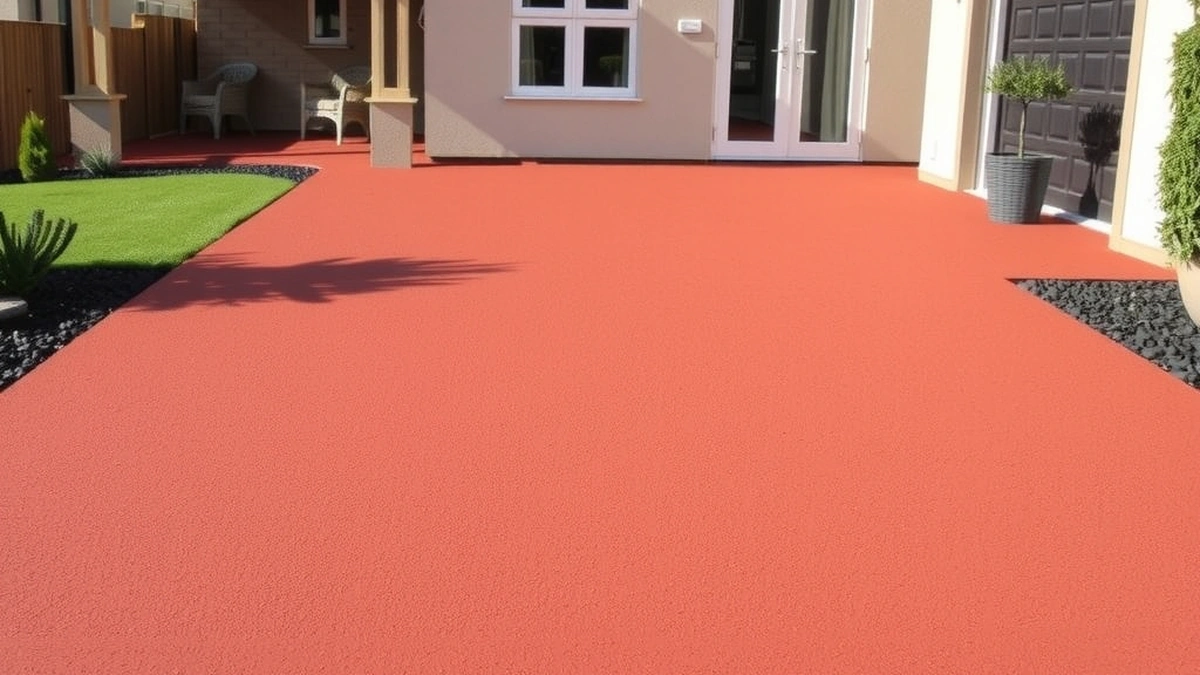
Acrylic sealer is a water-based polymer coating that cures clear or tinted, protecting the surface without covering its colour.
Emulsion is paint. Acrylic is varnish. Everything else follows from that.
Head to head
| Attribute | Asphalt emulsion | Acrylic |
|---|---|---|
| Appearance | Opaque black | Clear or tinted |
| Hides patches | Yes | No |
| Service life | 2-3 years | 1-3 years |
| UV resistance | Moderate, greys | High, resists yellowing |
| Fuel resistance | Moderate | Low |
| Best surface | Plain asphalt | Concrete, decorative asphalt |
| Installed cost | $0.15-$0.30 per sq ft | $0.15-$0.30 per sq ft |
| Material cost | $0.05-$0.12 per sq ft | $0.05-$0.12 per sq ft |
| Recoat over the other | Poor | Poor |
The last row is a practical constraint. Neither bonds reliably over a sound film of the other, so switching families usually means stripping first. That is a cost most comparison articles leave out: stripping a 600 square foot driveway adds a day of work and disposal before any new sealer goes down, which can exceed the price of the coat itself.
Cost per year, worked through
Take a 1,000 square foot driveway at $0.22 per square foot installed, $220 per coat.
Emulsion at a three-year interval over a decade: about 3.3 coats, $726. Acrylic at a two-year interval over a decade: five coats, $1,100.
The gap is $374, or roughly 50 percent more for acrylic. In materials at $0.08 per square foot, it is $264 against $400.
Now add preparation. Each cycle carries cleaning and crack filling at $2 to $5 per linear foot. More cycles means more of that labor too, so the real gap is wider than the sealer price alone.
Where acrylic earns the premium
Four cases justify the shorter interval.
Concrete driveways. Emulsion is an asphalt product and looks wrong on concrete. Clear acrylic protects the surface and keeps its colour.
Decorative asphalt. Stamped, coloured, or exposed-aggregate asphalt needs a clear film; a black coat erases the pattern that was paid for.
Visible frontage. Where the driveway is part of the finished appearance of the property, clarity has value that a cost table does not capture.
Low-odour sites. Acrylic is easier to apply near open windows, garages, and shared entries.
In those cases the extra cost is buying something real. Paying it on a plain black driveway buys nothing.
Where emulsion wins
Plain asphalt, which is most driveways.
Emulsion restores an even black finish, covers patch repairs and colour variation, and lasts longer per coat on average. It also builds a thicker film, which gives traffic more sacrificial material to wear through before the pavement is exposed.
That hiding property matters more than it sounds. A driveway with three patches and a repaired edge looks uniform under emulsion and patchy under acrylic. For most homeowners that settles it.
What happens if you switch, and how to apply either
The most expensive mistake in this comparison is changing products without stripping the old coat.
Acrylic over a sound emulsion film typically peels within a season, because it cannot key into the slick, filled surface. Emulsion over acrylic behaves the same way in reverse.
If the coating history is unknown, test a 2 square foot hidden area. Apply the new product, let it cure, then try to lift an edge with a putty knife. If it releases, the surface needs stripping or the same product family.
Application notes for both.
Both need a clean, dry surface and temperatures above 50 F. Both need a 48-hour dry window.
Emulsion is applied at the label rate with a squeegee or sprayer and can be built to two coats on porous asphalt. Acrylic is applied thinner, often by roller or sprayer, and builds film more slowly.
Neither should be applied over an oil-contaminated surface without priming. Neither repairs a crack, a pothole, or a failing base.
Choosing in four steps
- Identify the surface: concrete, plain asphalt, or decorative.
- Decide whether appearance or cost per year matters more.
- Check what is already on the driveway and test compatibility.
- Price ten years, not one coat.
A concrete or decorative surface gets acrylic. A plain asphalt driveway judged on protection per dollar gets emulsion. A driveway with heavy oil contamination gets neither until the surface is cleaned and assessed.
The fourth step is the one that changes minds. A single coat looks cheap in both cases; the ten-year figure is where the interval shows up, and the interval is the product’s real price.
The limit both share
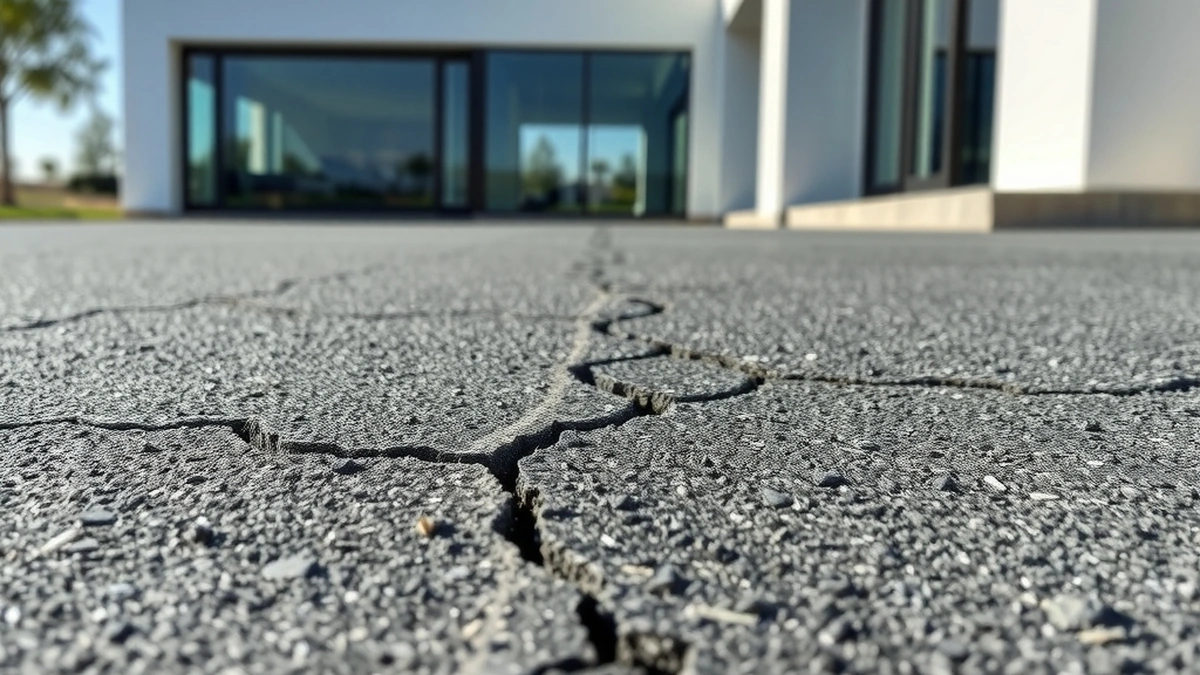
Both are surface coatings. A driveway with alligator cracking, ponding, or soft spots needs an overlay at $3 to $7 per square foot or replacement at $8 to $15, not a sealer.
A coat over a failing surface looks uniform for one season and then re-cracks along the same lines, with failed film at every crack edge. The money spent on the coat is not recoverable, and it does not delay the overlay that the pavement actually needs. Our alligator cracking repair guide covers that diagnosis, and driveway sealing repair explains how to tell surface wear from base failure. For pricing, see asphalt emulsion sealer cost and acrylic sealer cost.
Frequently asked questions
Is acrylic sealer better than asphalt emulsion?
It depends on the surface. Acrylic preserves colour and suits concrete and decorative asphalt, while emulsion is cheaper per year of life on plain black asphalt and hides patch repairs.
How long does each last?
Emulsion lasts two to three years on a residential driveway; acrylic lasts one to three. Emulsion's longer average life is why it costs less per year.
Can I use acrylic over asphalt emulsion?
Not reliably. Acrylic bonds poorly to a sound emulsion film and usually peels within a season. Stay with one product family, or strip the old coat first.
Which is better for a concrete driveway?
Acrylic. Emulsion is formulated for asphalt and looks wrong on concrete. Clear acrylic protects concrete without changing its colour.
Does acrylic hide cracks and patches?
No. Clear acrylic shows the surface as it is, including patches and colour variation. Emulsion's opaque black covers those differences, which is one reason contractors favour it for repairs.
Is acrylic worth the extra cost per year?
On decorative or concrete surfaces, yes, because appearance is the point. On a plain asphalt driveway judged on protection per dollar, emulsion usually wins.
Sources
Some links are affiliate links.If you buy through them we may earn a commission at no extra cost to you. We do not accept payment for rankings. Read the full disclosure.