Best driveway sealer
What separates a good driveway sealer from a cheap one — solids content, coverage rate, filler, and cure window. How to read a pail before you buy.
The best driveway sealer is a high-solids asphalt emulsion matched to your surface and applied in two thin coats at the labeled coverage rate. Solids content, filler, and coverage per gallon decide performance more than brand or price.
- DIY material cost
- $0.05–$0.12 per sq ft
- Contractor applied
- $0.15–$0.30 per sq ft
- Typical pail size
- 4.75 gal
- Cured film target
- 0.02–0.03 in
Some links on this page are affiliate links.If you buy through them we may earn a commission at no extra cost to you. We do not accept payment for rankings. Read the full disclosure.
The best driveway sealer is not the most expensive pail on the shelf. It is a high-solids asphalt emulsion that matches your surface, applied in two thin coats at the rate printed on the label. Solids content, filler, and coverage per gallon predict how long the coat lasts; brand and color predict almost nothing.
What a sealer actually is
A driveway sealer is a liquid coating that cures into a thin protective film on asphalt. The film blocks water and ultraviolet light from reaching the binder that holds the pavement together.
The formulation has three parts that matter. Binder is the asphalt or coal tar that forms the film. Water or solvent carries it while wet and evaporates. Filler is the aggregate — usually silica sand — that adds body, fills small voids, and improves traction.
Solids content is the share of the pail that stays behind as film. Everything else evaporates. That single number tells you more about value than the price tag does.
The numbers that matter when buying
Estimates for 2026, US retail and contractor pricing:
| Item | Typical figure | What it tells you |
|---|---|---|
| DIY material cost | $0.05–$0.12 per sq ft | All-in material budget per square foot |
| Contractor applied | $0.15–$0.30 per sq ft | Includes labor, prep, and equipment |
| Common pail size | 4.75 gal | About 5 gallons nominal |
| Cured film target | 0.02–0.03 in | Thick enough to protect, thin enough to cure |
| Coverage, first coat | roughly 50–80 sq ft/gal on porous asphalt | The surface drinks material |
| Coverage, second coat | higher, 100+ sq ft/gal typical | Pores are already sealed |
On an 800 sq ft driveway, a materials budget at the DIY rate:
800 sq ft × $0.05 = $40 800 sq ft × $0.12 = $96
Compare that to a contractor on the same surface:
800 sq ft × $0.15 = $120 800 sq ft × $0.30 = $240
The material is a small share of a professional quote. That is the first thing to understand about “best”: on a contracted job, you are mostly buying preparation and labor, not product.
What to check on the label
Six numbers and statements do the work.
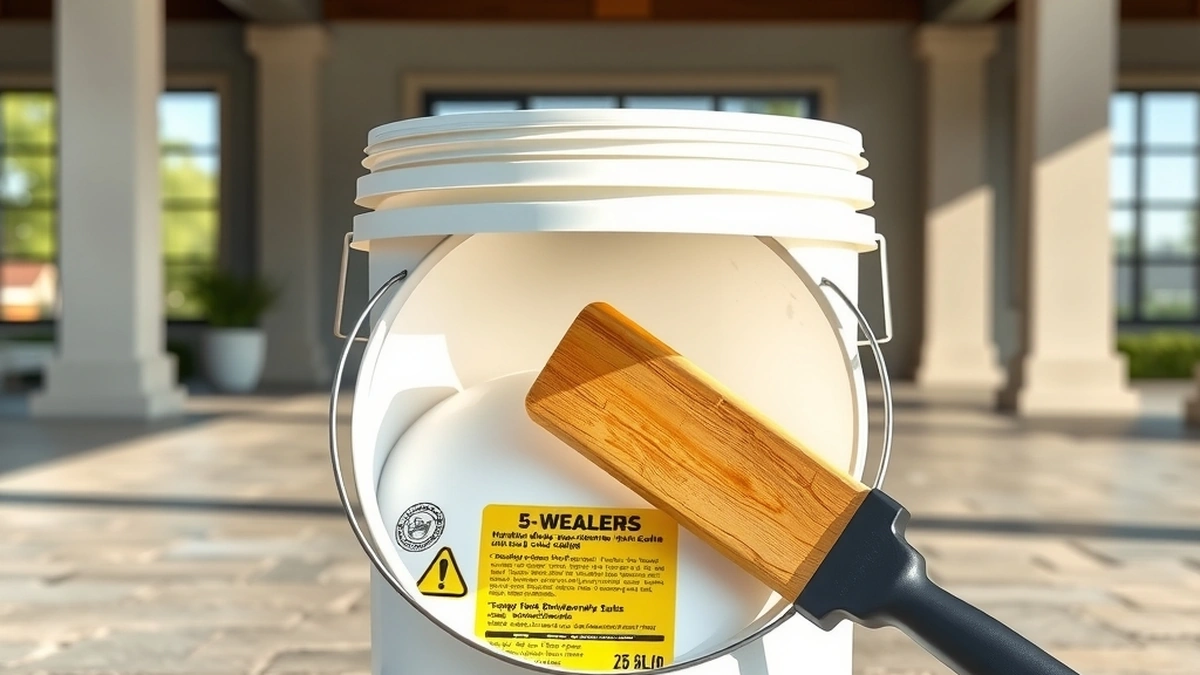
Solids content by weight or volume. Higher is generally better for durability. A product that is mostly water leaves a thin film and wears through in a season.
Coverage rate in square feet per gallon. This is the number you use to buy the right quantity. It also sets the standard the applicator is held to.
Number of coats specified. Most manufacturers call for two coats on a new application over porous asphalt. If the label says one, read why.
Temperature range. Most products need air and surface temperatures above about 50°F and rising, with no rain for 24 hours.
Filler and sand options. Some products come pre-filled; others require you to add sand. Steep driveways benefit from the added traction.
Cure and traffic window. Usually 24 to 48 hours. This is what you tell the household before the job starts.
Material comparison
| Type | Durability | Best use | Watch out for |
|---|---|---|---|
| Asphalt emulsion | 2–4 years | Most residential asphalt | Softer than coal tar against fuel spills |
| Coal tar | 3–5 years | High fuel exposure, where legal | Restricted or banned in some states |
| Acrylic | 1–3 years | Concrete, decorative surfaces | Not an asphalt sealcoat |
For an asphalt driveway, the choice is between emulsion and coal tar, and local rules often settle it. Coal tar resists gasoline and oil better, which matters if the same vehicle parks and drips in the same spot. It also carries environmental restrictions in a number of jurisdictions. If coal tar is not available or not legal where you are, a high-solids emulsion is the correct substitute, not a compromise.
Acrylic is a different product for a different surface. Our types of driveway sealing guide covers where it belongs.
How much to buy
- Measure the driveway in square feet. A 20 by 40 foot driveway is 800 sq ft.
- Read the coverage rate for the first coat on porous asphalt. Assume the low end if the surface is rough or has not been sealed in years.
- Divide total square footage by that rate to get first-coat gallons. On 800 sq ft at 80 sq ft per gallon: 800 ÷ 80 = 10 gallons.
- Estimate the second coat at a higher rate, since the pores are filled. At 120 sq ft per gallon: 800 ÷ 120 = 6.7 gallons.
- Add them. 10 + 6.7 = 16.7 gallons, so buy 17 gallons minimum.
- Round up to whole pails. Four 4.75-gallon pails is 19 gallons, which leaves a small margin for touch-ups and edges.
Buying short mid-job is the most common DIY failure. A partial coat that cures while you drive to the store leaves a visible lap line that never blends.
What makes the application good
Product quality caps the result; application decides how close you get to the cap. The variables:
Two thin coats rather than one thick one. A heavy single pass skins over on top, stays soft underneath, and peels at edges and in tire paths.
A clean, dry surface. Sealer bonds to asphalt, not to dust, oil, or dew. Washing and drying is a full day on most driveways.
Cracks filled first. Sealer does not bridge open cracks. It spans them, then cracks along the same line the first time the pavement moves.
Correct weather. Above 50°F, rising, with a dry window of 24 to 48 hours.
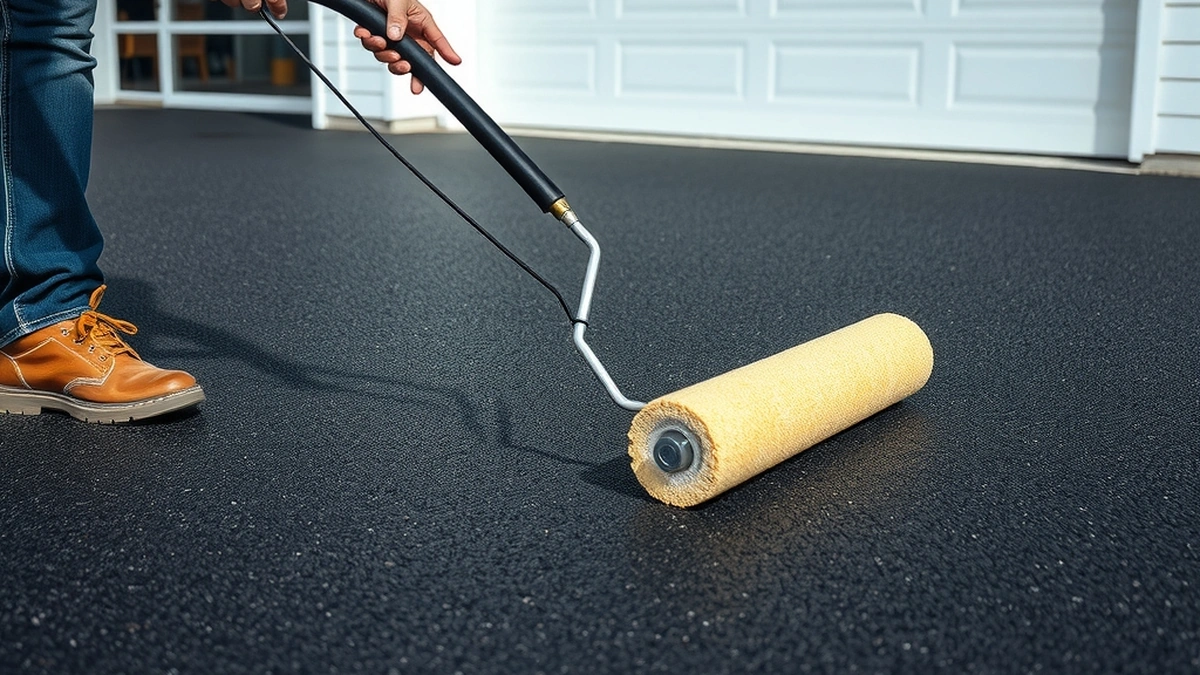
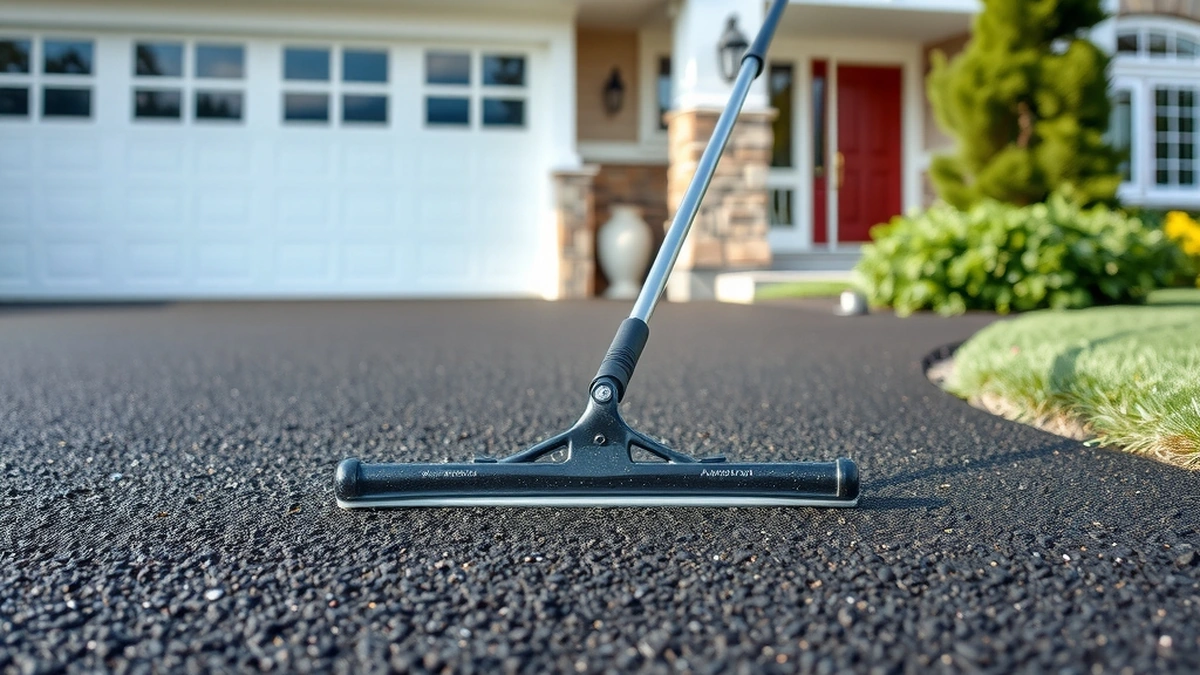
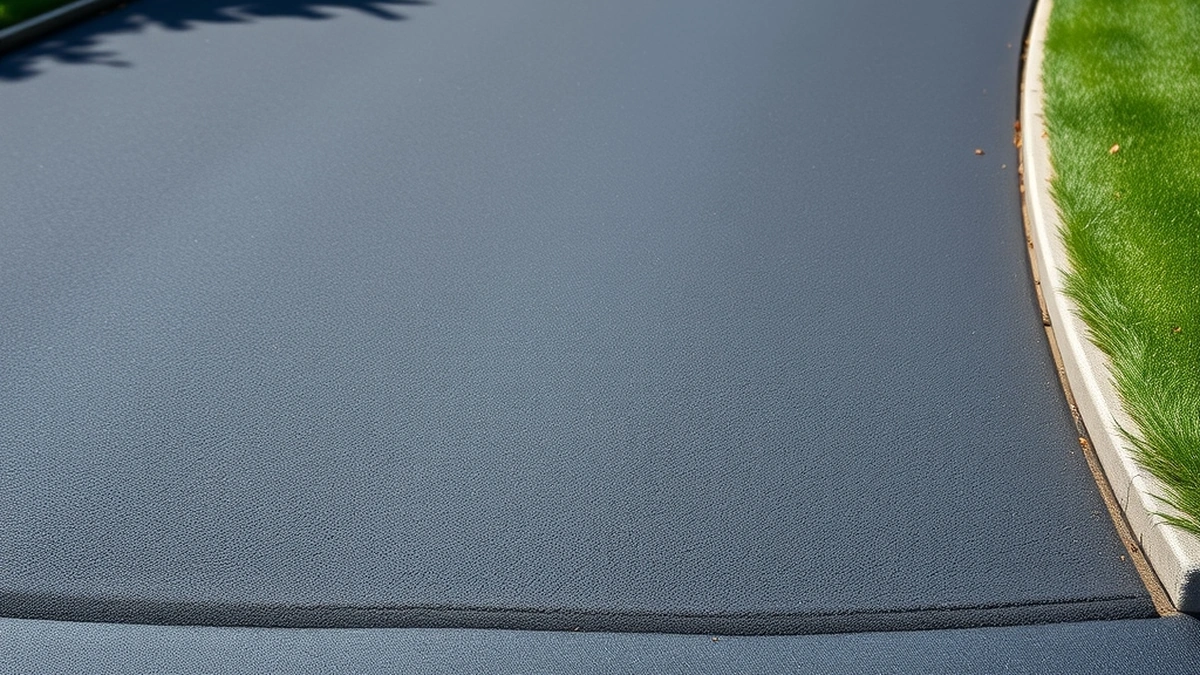
An even film. Squeegee or roll in sections and keep a wet edge. Lap marks come from letting one section dry before the next begins.
Taping and masking. Sealer on a garage door or a concrete apron is a permanent mistake and an avoidable one.
If you are doing the work yourself, DIY driveway sealing walks the sequence in order. If you are hiring, best driveway sealing covers how to hold a contractor to the same standard.
Where price misleads
A $30 pail and a $45 pail can produce very different jobs, or nearly identical ones, depending on what is inside them. The useful comparison is cost per square foot of cured film, not cost per pail.
Rough approach: divide the pail price by the square footage it will cover at the label rate, accounting for solids. A cheap product that needs three coats to build a film costs more than a better one that needs two.
What price does not tell you: whether the pail sat on a shelf through a freeze, whether the batch is consistent, or whether the coverage claim is realistic for your surface. That is why the label numbers matter more than the shelf position.
Bottom line
Buy a high-solids asphalt emulsion, size the quantity from the coverage rate and your square footage, add sand if the driveway is steep, and plan two coats. Expect to spend $0.05 to $0.12 per square foot on material, or $0.15 to $0.30 per square foot to have it applied.
For the price table by driveway size, see driveway sealing cost per square foot, and for the full process from prep to cure, driveway sealcoating.
Frequently asked questions
What is the best type of driveway sealer for asphalt?
Asphalt emulsion is the right default for residential asphalt. It is widely available, lower odor than coal tar, and delivers two to four years when applied in two coats on a properly prepared surface.
Does higher solids content mean a better sealer?
Generally yes, up to a point. More solids means more film left behind after the water evaporates, so the coat lasts longer. Very high solids products are also thicker and harder to spread evenly by hand.
Is sand additive worth it in driveway sealer?
On steep driveways and porous asphalt, yes. Sand improves traction and helps fill surface voids. On smooth, dense pavement it is optional and mostly adds texture.
How much sealer do I need for an 800 sq ft driveway?
Check the pail, but plan for two coats. At roughly 80 sq ft per gallon on the first coat and more on the second, an 800 sq ft driveway takes about 17 to 20 gallons, or four 4.75-gallon pails.
Is the most expensive driveway sealer the best?
Not reliably. Price tracks solids content and filler quality to a point, then tracks marketing. A mid-priced high-solids emulsion applied correctly beats a premium product applied thin.
Can I use the same sealer on concrete?
No. Asphalt sealcoat will not bond properly to concrete. Concrete needs a concrete sealer, which is a different product family with its own coverage rates.
Sources
Some links are affiliate links.If you buy through them we may earn a commission at no extra cost to you. We do not accept payment for rankings. Read the full disclosure.