Hot-pour crack fill reviews: what to look for
Hot-pour crack fill reviews turn on preparation, not brand. What buyers and contractors report, which complaints signal a bad install, and how to vet a crew.
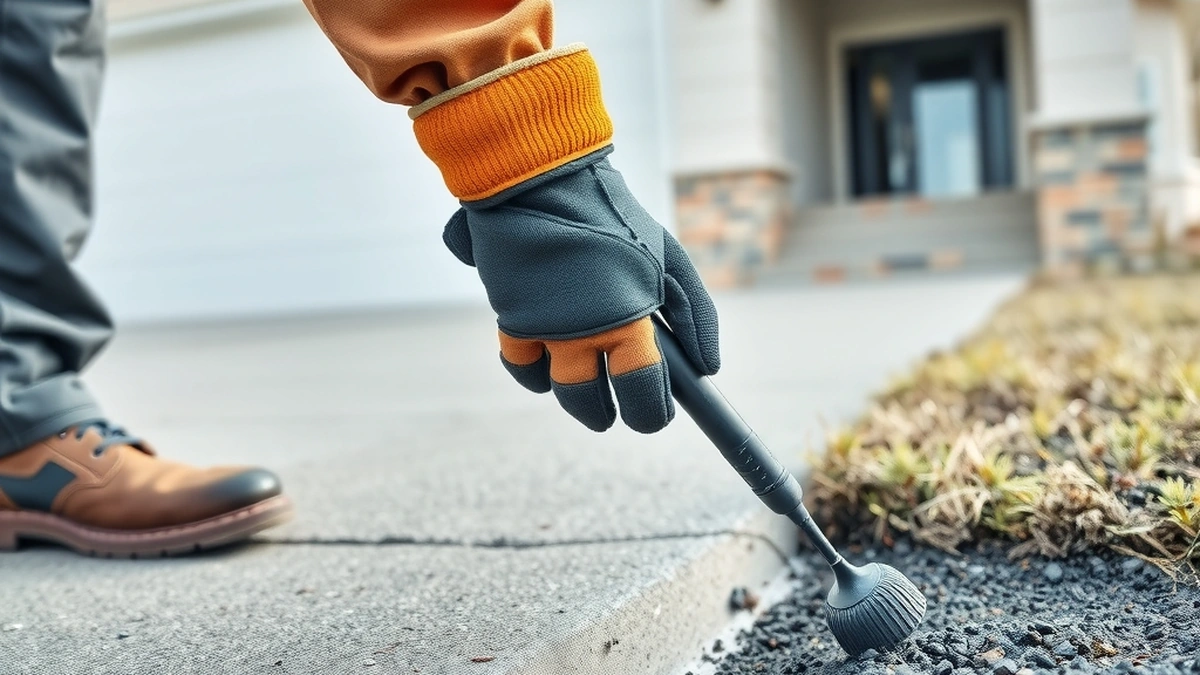
Hot-pour crack fill reviews are more useful for judging the installer than the material. Reports of plugs pulling out, tracking, or failing within a season usually describe a wet or dirty crack, a cold pour, or an overfill rather than a defective box of rubber.
- Installed cost
- $2-$5 per linear ft
- Expected life
- 3-5 years
- Application temp
- 350-400 F
- Most common complaint
- Pull-out after winter
- Best evidence
- Local crew, local climate
Some links on this page are affiliate links.If you buy through them we may earn a commission at no extra cost to you. We do not accept payment for rankings. Read the full disclosure.
Hot-pour crack fill reviews are installer reviews in disguise. The material is a rubberized asphalt product with modest differences between brands. What separates a five-year plug from one that disappears over winter is whether the crack was clean, dry, routed, and poured at temperature — all of which are decisions the crew makes before any rubber leaves the melter.
What the product is, and what reviews can judge
Hot-pour crack fill is a rubberized asphalt sealant heated to 350 to 400 F and poured into asphalt cracks, where it cools into a flexible plug.
Reviews can reasonably judge three things: whether the crew showed up when promised, whether the site was left clean, and whether the plugs survived a winter. They cannot judge material quality without controlling for preparation, which almost no reviewer does.
That is why two reviews of the same product can report opposite outcomes on similar driveways.
What positive reviews tend to describe
Consistent themes in favorable reports:
Plugs still flexible after several winters, which points to correct temperature and a proper fill depth.
Clean edges with no tracking, which points to blotting and a correct overfill.
No return visits for the same crack, which points to a crack that was not moving in the first place.
A crew that cleaned and routed before pouring, which is the actual reason the job lasted.
Notice that none of those are product properties. They are process properties.
What negative reviews tend to describe
| Complaint | What it usually means |
|---|---|
| Plug gone after one winter | Wet or dirty crack, or no routing |
| Black tracking on the apron | Overfilled, not blotted |
| Filler cracked along its length | Poured too cool, bridged the crack |
| Plug lifted at one edge | Damp wall or old filler left in place |
| Crack back within months | Base movement, not a filler fault |
| Ridge catching tires | Overfill not squeegeed |
Every row is a preparation or technique failure except the second-to-last, which is a diagnosis failure. In that case the crew filled a crack that was being pulled apart, and no product would have held it.
Why the cheapest quote produces the worst reviews
Rates run $2 to $5 per linear foot installed. A quote at $1.25 is not a discount; it is a different scope.
At that price the crew is likely skipping routing, blowing the crack out with a hand blower rather than compressed air, or pouring a thin bead that sits on the surface. Each shortcut produces exactly the failures that show up in one-star reviews the following spring.
The equipment explains part of the cost. A melter, a router, a compressor, and heat-rated PPE are capital items, and a crew that owns them needs to recover the cost across jobs. A crew without them is not doing the same work.
How to vet a crew instead of a product
- Ask whether they route cracks wider than a quarter inch, and get the answer in writing.
- Ask how they clean and dry the crack before pouring.
- Ask what temperature they hold the melter at, and whether they use a thermometer.
- Ask for two local addresses where they filled cracks at least two years ago.
- Ask what they do if a plug fails within the first season.
A crew that answers all five clearly is doing the job the reviews describe as good. A crew that answers vaguely is selling a pour, not a repair.
The local reference addresses matter more than any online rating, because they let you see how a fill has held up in your climate and your soil.
Reading reviews for climate, not stars
Crack fill performance depends heavily on freeze-thaw cycling. A plug that lasts five years in a mild climate may last two in a region with hard winters and clay soil.
When you read a review, note the location and the season of installation. A review from a similar climate is worth ten from somewhere else.
Also note whether the reviewer mentions the crack width. A hairline fill and a half-inch fill are different jobs at the same per-foot rate, and the wider one is more likely to fail if the pavement is moving.
When the review is describing a base failure
Some negative reviews describe a problem no crack filler solves.
If the reviewer says the crack came back in the same place within a season, the pavement is moving. If they mention a lip at the edge, one side has settled. If they describe a pattern of connected cracks, that is alligator cracking.
In those cases the honest answer is an overlay at $3 to $7 per square foot or replacement at $8 to $15, not another fill. Our alligator cracking repair guide covers the pattern, and hot-pour crack fill problems explains the failures that are genuinely installation-related.
What to expect for the money
At $2 to $5 per linear foot, a 200-foot job is $400 to $1,000. For that, expect routing where needed, compressed-air cleaning, a thermometer on the melter, a blotted finish, and a 15 to 30 minute cure before traffic.
Expect a three-to-five-year life on a sound driveway. Expect the crew to tell you if a crack should not be filled because the base is moving.
That last item is the mark of a crew worth reviewing well. A contractor who declines to fill a failing area is protecting your money, not losing a sale. Our hot-pour crack fill cost page sets out the pricing bands, and hot-pour crack fill maintenance covers what happens after the job.
Frequently asked questions
Are hot-pour crack filler reviews reliable?
Partly. They report what happened on one driveway. Most negative reports trace to preparation and temperature rather than the material, so read them as installer evidence.
Which brand of hot-pour crack filler is best?
The differences between major brands are smaller than the difference between a prepared crack and a dirty one. Choose a product that meets the local specification and a crew that follows it.
Why do reviews mention filler coming out after winter?
Water or dirt in the crack at the time of pouring. Steam from moisture pushes the plug out, and grit stops the rubber bonding to the asphalt walls.
Do cheap crack sealing quotes indicate bad work?
Often. A rate well below $2 per linear foot usually means no routing, no cleaning, or a thin pour. Those are the jobs that generate the pull-out reviews.
How long should hot-pour crack fill last?
Three to five years on a sound residential driveway. One season or less points to installation, and repeated failure in the same crack points to base movement.
Should I read reviews for a specific crack filler product?
Read them for application notes and climate, not for star ratings. Material differences are modest; preparation, temperature, and routing decide the outcome.
Sources
Some links are affiliate links.If you buy through them we may earn a commission at no extra cost to you. We do not accept payment for rankings. Read the full disclosure.