Acrylic sealer reviews: what buyers report
Acrylic sealer reviews praise clarity and fade resistance, and complain about short life and cost per year. What the feedback means on asphalt and concrete.
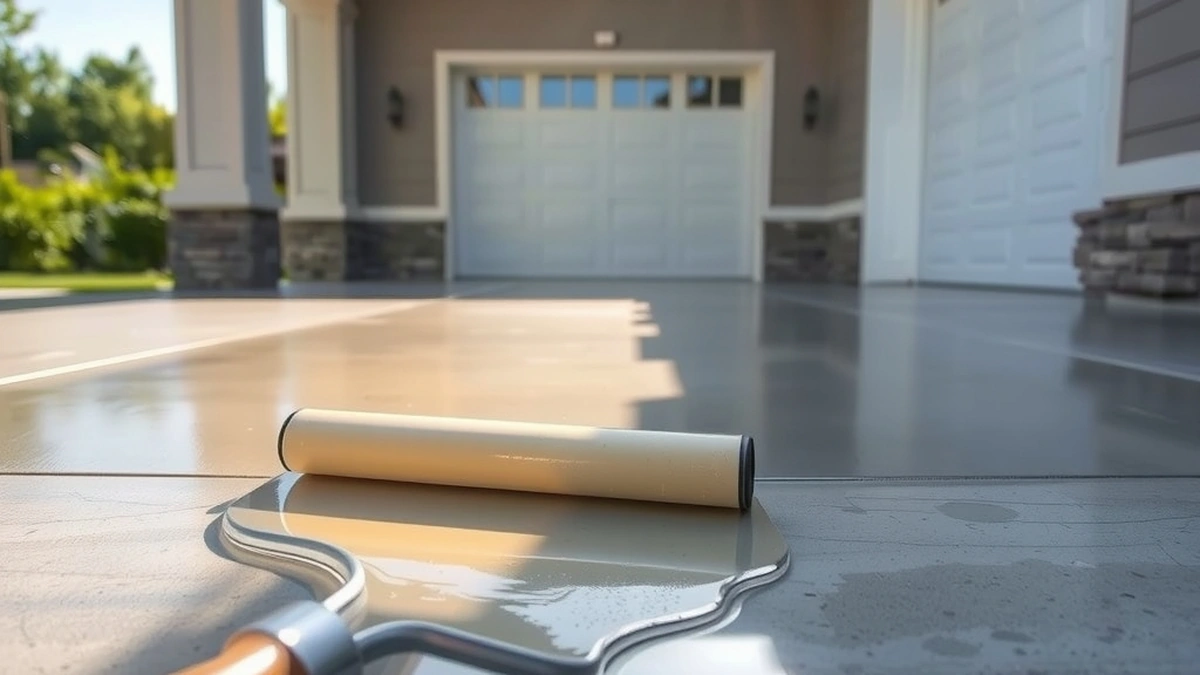
Acrylic sealer reviews split along one line: buyers like the clear finish, colour retention, and low odour, and complain about needing a recoat within one to three years. On concrete and decorative surfaces it reviews well; on a worn asphalt driveway it often disappoints.
- Installed cost
- $0.15-$0.30 per sq ft
- Material cost
- $0.05-$0.12 per sq ft
- Service life
- 1-3 years
- Best surface
- Concrete and decorative asphalt
- Odour
- Low
Some links on this page are affiliate links.If you buy through them we may earn a commission at no extra cost to you. We do not accept payment for rankings. Read the full disclosure.
Acrylic sealer reviews tend to agree on two things: the finish looks good, and it does not last as long as buyers hoped. That is not a contradiction. Acrylic is a thin, clear film designed for appearance and UV protection, and it delivers both. It is simply not the longest-wearing product in the category.
What acrylic sealer is
Acrylic sealer is a water-based polymer coating that cures into a clear or tinted film over asphalt or concrete. It blocks ultraviolet light and sheds water without hiding the surface underneath.
That transparency is the selling point. On stamped concrete, exposed aggregate, or coloured asphalt, a black sealer would erase the finish. Acrylic preserves it, which is why so many positive reviews come from decorative surfaces.
On a plain black asphalt driveway, the same property is worth less. There is no colour to preserve, and the thin film wears through faster than the pigmented alternatives.
What the reviews get right
Three praise themes recur, and all three are accurate.
Clarity. Buyers consistently report that the finish looks like wet concrete or deepened colour rather than a coating. That is the product working as designed.
Low odour and easy cleanup. Water-based acrylic is far more pleasant to apply than coal tar, and tools clean up with water before the film cures.
Colour stability. Clear acrylic resists yellowing better than some solvent-based products, and tinted versions hold their colour reasonably well in moderate sun.
Those are real advantages. They matter most on visible decorative work where appearance is the product.
What the reviews complain about
| Complaint | Underlying cause | Fair criticism? |
|---|---|---|
| Worn through in a year | Thin film, heavy traffic | Yes, on asphalt |
| Peeling in patches | Applied over coal tar or a dirty surface | Partly, it is an application issue |
| Cost per year too high | Short interval, higher price per pail | Yes on large plain driveways |
| Slippery when wet | Smooth film, especially on concrete | Yes, a real limitation |
| White haze after rain | Moisture during cure | No, that is a timing error |
The fair criticisms are life and cost per year. Acrylic at one to three years against coal tar at three to four means more cycles over a decade, and each cycle carries the same preparation labor.
The unfair criticism is blaming the product for peeling that follows application over an incompatible coating or an unclean surface. Acrylic does not bond to a sound coal tar film, and no amount of product quality fixes that.
The numbers behind the complaints
At $0.15 to $0.30 per square foot installed, acrylic sits in the same band as asphalt emulsion and coal tar. The difference is how often you pay it.
Over ten years on a 1,000 square foot driveway: acrylic at a two-year interval takes five coats at $150 to $300 each, or $750 to $1,500. Coal tar at a four-year interval takes two and a half coats, roughly $375 to $750. Asphalt emulsion at a three-year interval takes about three and a third coats, or $500 to $1,000.
In materials at $0.05 to $0.12 per square foot, the same driveway costs $50 to $120 per coat. Five acrylic coats are $250 to $600 against $125 to $300 for two and a half coal tar coats.
That gap is the honest case against acrylic on a plain asphalt driveway. It is also the reason reviews from asphalt owners skew negative while reviews from concrete and decorative owners skew positive.
Where acrylic wins outright
Four situations make acrylic the better purchase regardless of interval.
Concrete driveways. Clear acrylic protects concrete without the colour shift of a pigmented sealer, and it is easy to recoat.
Decorative asphalt. Stamped or coloured asphalt needs a clear film. A black sealer destroys the reason the surface was installed.
Indoor or enclosed spaces. Low odour matters where ventilation is limited.
Historic or visible surfaces. Where appearance is the point, the shorter interval is a fair trade.
For those uses, the reviews are right to be positive. The product is doing exactly what it was bought to do.
How to read an acrylic review before buying
- Find reviews from owners of the same surface: concrete, decorative asphalt, or plain asphalt.
- Note the climate, because a two-year interval in Arizona may be four years in coastal Oregon.
- Check whether the reviewer cleaned and primed, since most peeling stories skip that detail.
- Compare cost per year rather than cost per pail.
- Look for reports of slipperiness on the specific surface you have.
A review that says “looks great, needed a recoat in two years” is more useful than one that says “best sealer ever”. The first tells you the interval; the second tells you nothing you can price.
The alternative worth pricing
If the driveway is plain asphalt and the goal is maximum protection per dollar, price asphalt emulsion and coal tar alongside acrylic before deciding.
Both sit in the same installed band of $0.15 to $0.30 per square foot and both deliver longer intervals on asphalt. Coal tar resists fuel spills best but is restricted in some states; emulsion is legal nearly everywhere and cures faster.
Our acrylic sealer vs asphalt emulsion sealer comparison sets the two side by side, and acrylic sealer cost breaks the pricing down by driveway size. For the wider view, driveway sealer reviews explains why most sealer complaints are application problems rather than product defects.
Frequently asked questions
Are acrylic sealers any good?
They are good at what they are designed for: protecting concrete and decorative asphalt while keeping a clear or tinted finish. They are a weaker choice where maximum wear life on a black asphalt driveway is the priority.
How long does acrylic sealer last on a driveway?
One to three years on a residential driveway, shorter on a sun-exposed surface with heavy traffic. Coal tar typically lasts three to four years and asphalt emulsion two to three.
Why do acrylic sealer reviews mention peeling?
Acrylic bonds poorly to some existing coatings, particularly a sound coal tar film, and it needs a clean, dry surface. Peeling in reviews usually traces to application over an incompatible or dirty surface.
Is acrylic sealer good for concrete driveways?
Yes. Clear acrylic is a common choice on concrete because it protects without changing the colour, and it can be tinted. It also resists ultraviolet yellowing better than some alternatives.
Does acrylic sealer work on asphalt?
It does, and tinted versions are popular for colour. Expect a shorter interval between coats than with asphalt emulsion or coal tar, because the film is thinner and wears faster under traffic.
Is acrylic sealer worth the price?
On concrete and decorative surfaces, usually yes. On a plain asphalt driveway judged purely on cost per year of protection, asphalt emulsion or coal tar usually works out cheaper.
Sources
Some links are affiliate links.If you buy through them we may earn a commission at no extra cost to you. We do not accept payment for rankings. Read the full disclosure.