Spray Seal Coat Driveway: Equipment and Coverage Guide
Learn how to spray seal a driveway, what equipment you need, coverage rates, and when base failure means repairs come first.
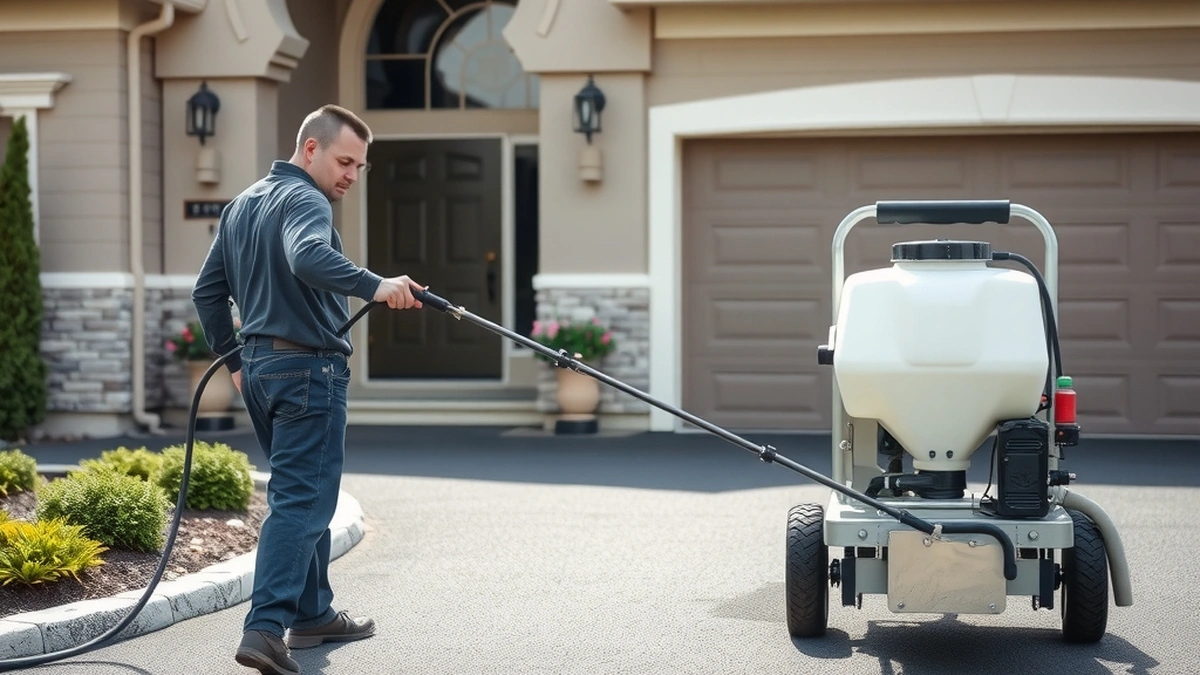
Spray sealing a driveway requires a spray rig or pump sprayer, clean dry asphalt, crack repairs first, and roughly 0.10–0.15 gallons of sealer per 100 square feet per coat.
- Best for
- Driveways in fair condition with no base failure
- Coverage rate
- 0.10–0.15 gallons per 100 sq ft per coat
- Contractor cost
- $0.15–$0.30 per sq ft
- DIY cost
- $0.05–$0.12 per sq ft
- Dry time before traffic
- 24–48 hours
Some links on this page are affiliate links.If you buy through them we may earn a commission at no extra cost to you. We do not accept payment for rankings. Read the full disclosure.
Spray sealing a driveway means applying liquid asphalt sealer with a spray wand, pump sprayer, or spray rig instead of spreading it by hand with a squeegee. It works best on driveways that are clean, dry, and structurally sound. Before you buy sealer, inspect the base: alligator cracking, sinking sections, or potholes indicate base failure, and sealing over those problems wastes money.
Equipment You Need to Spray Seal a Driveway
The right equipment depends on driveway size and how many coats you plan to apply.
- Pump sprayer or spray rig: A handheld pump sprayer works for small driveways under 500 square feet. A tow-behind or skid-mounted spray rig with a hose and wand is better for larger residential driveways.
- Spray tips and nozzles: Fan tips produce an even coat. Keep spare tips on hand in case one clogs.
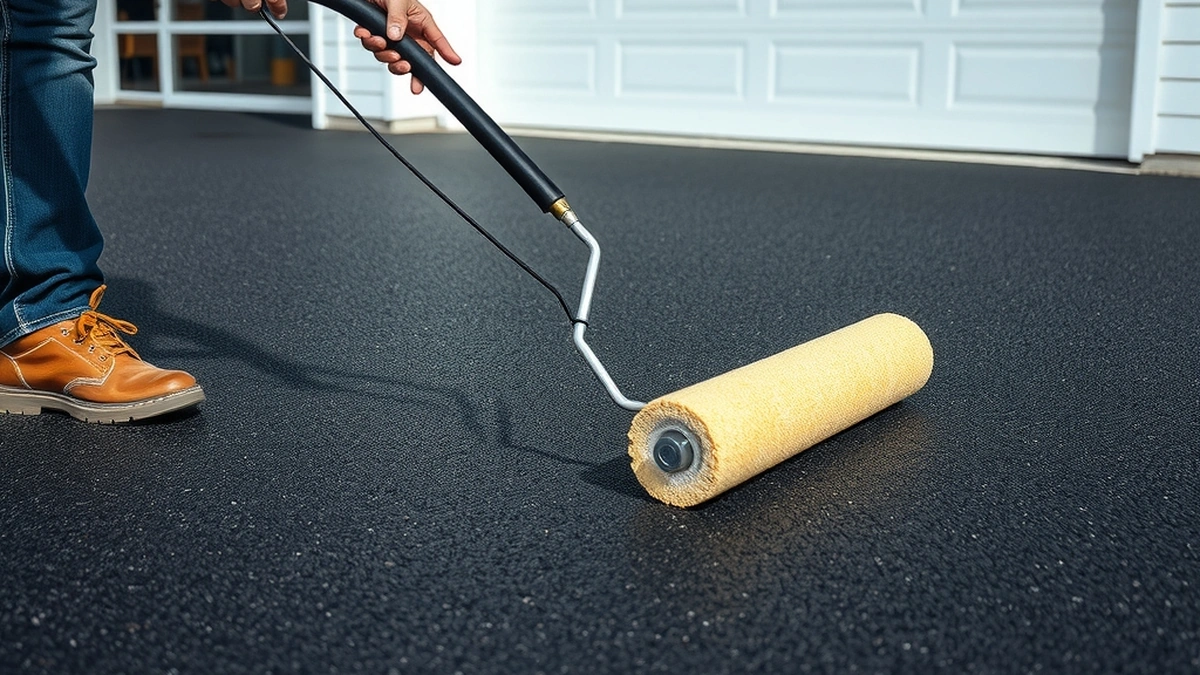
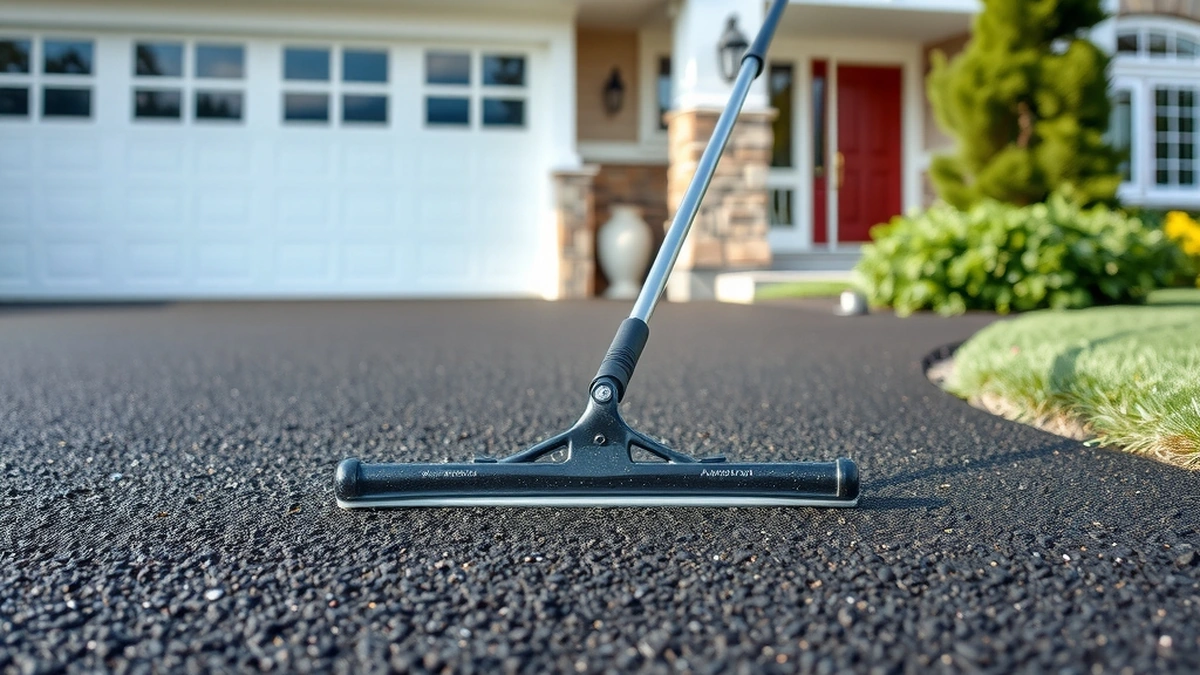
- Squeegee or brush: Use a squeegee for edges, around garage doors, and in areas the spray wand cannot reach cleanly.
- Crack filling supplies: Pour pot or caulking gun with hot-applied or cold-pour crack filler. Cracks wider than 1/4 inch should be filled before sealing.
- Cleaning tools: Broom, leaf blower, or pressure washer to remove dirt, oil, and loose asphalt.
- Personal protective equipment: Gloves, goggles, respirator if required by the product label, and long sleeves. Follow OSHA guidance for chemical handling and respiratory protection.
Coverage Rates and How to Calculate Them
Coverage estimates vary by sealer type, surface porosity, and number of coats. A typical estimate is 0.10 to 0.15 gallons of sealer per 100 square feet per coat.
To calculate how much you need:
- Measure the driveway length and width in feet.
- Multiply length by width to get square feet.
- Divide by 100.
- Multiply by 0.10 to 0.15 gallons.
- Multiply by the number of coats.
Example: A 20-foot by 40-foot driveway equals 800 square feet.
- 800 divided by 100 equals 8.
- 8 times 0.10 equals 0.8 gallons per coat.
- 8 times 0.15 equals 1.2 gallons per coat.
- Two coats require roughly 1.6 to 2.4 gallons.
Buy a little extra to account for absorption by older, porous asphalt. Label all estimates as estimates; actual usage depends on surface condition.
Diagnose Base Failure Before You Seal
Seal coating protects the surface. It does not fix structural problems. Check for these signs before spraying:
- Alligator cracking: Interconnected cracks resembling reptile skin usually mean the base cannot support the load.
- Birdbaths: Low spots that hold water after rain indicate base or subgrade failure.
- Potholes: Holes in the asphalt need patching, not sealant.
- Sinking edges: Driveway edges dropping away from the garage or street suggest base erosion.
Repair these issues first. Crack filling costs $2 to $5 per linear foot. Pothole repair costs $100 to $400 each. If the base is extensively failed, an asphalt overlay at $3 to $7 per square foot or full replacement at $8 to $15 per square foot may be more appropriate than sealing. Sealing over failed base is a short-term cosmetic fix that will crack again quickly.
Cost Comparison: DIY vs. Contractor
Professional sealcoating typically costs $0.15 to $0.30 per square foot. DIY materials typically cost $0.05 to $0.12 per square foot.
For an 800-square-foot driveway:
- Contractor low estimate: 800 times $0.15 equals $120.
- Contractor high estimate: 800 times $0.30 equals $240.
- DIY low estimate: 800 times $0.05 equals $40.
- DIY high estimate: 800 times $0.12 equals $96.
DIY saves on labor but requires your time, equipment rental or purchase, and careful application. Contractors bring commercial spray rigs and experience with coverage rates, which can reduce streaking and missed spots.
Step-by-Step Spray Application
- Repair first: Fill cracks and patch potholes. Allow filler and patch material to cure fully.
- Clean the surface: Sweep or blow away debris. Remove oil stains with a degreaser. Pressure wash if needed and let the driveway dry completely.
- Mask edges: Use tape or plastic sheeting to protect garage doors, walkways, and landscaping.
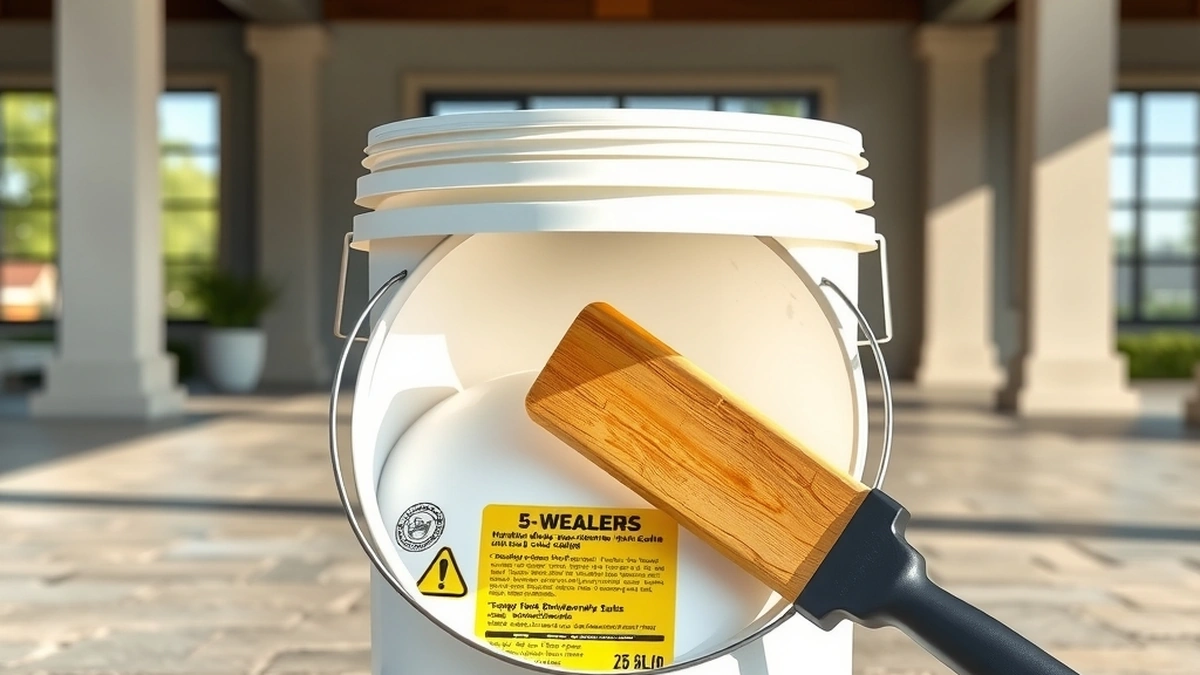
- Mix the sealer: Follow the manufacturer instructions. Some sealers require water or sand additive; others are ready to use.
- Test spray: Spray a small inconspicuous area to check the fan pattern and flow rate.
- Apply the first coat: Work from the top of the driveway downward. Overlap each pass by 50 percent to avoid streaks. Keep the wand moving at a steady pace.
- Cut in edges: Use a squeegee or brush along borders where the spray wand oversprays.
- Let it dry: Drying time depends on temperature and humidity. A typical estimate is 4 to 8 hours before light foot traffic and 24 to 48 hours before vehicle traffic.
- Apply the second coat: If two coats are recommended, apply after the first coat has dried. The second coat often uses slightly less material.
Weather and Timing Considerations
Spray sealing requires dry conditions. Do not apply sealer if rain is forecast within 24 hours. Ideal application temperatures are usually between 50 and 90 degrees Fahrenheit. Cold weather slows drying and can prevent proper curing. Hot, direct sun can cause the sealer to skin over too quickly, leading to uneven appearance.
Seal too often and you can build up a thick film that cracks or peels. Most driveways benefit from sealing every two to four years, depending on traffic and climate. More frequent sealing is not necessarily better.
When to Call a Professional
Large driveways, commercial spray rigs, or driveways with extensive repairs benefit from professional equipment. A contractor can also assess whether base failure means sealing is the wrong choice entirely. If your driveway shows widespread alligator cracking or structural settling, spending $0.15 to $0.30 per square foot on sealer will not address the underlying problem.
For more on why sealing matters, see our overview of the benefits of sealing a driveway. For timing, read how often to seal an asphalt driveway. For full pricing context, see how much does driveway sealing cost.
Frequently asked questions
What is spray seal coating?
Spray seal coating applies liquid asphalt sealer with a spray wand or rig rather than a squeegee, giving even coverage on large, flat driveway surfaces.
How much sealer do I need per square foot?
Plan on about 0.10 to 0.15 gallons per 100 square feet per coat, so a 1,000-square-foot driveway needs roughly 1 to 1.5 gallons per coat.
Can I spray seal over cracks?
No. Fill cracks first with crack filler costing $2 to $5 per linear foot, then seal once the filler has cured.
What equipment do I need to spray seal?
You need a pump sprayer or spray rig, sealer, squeegee for edges, crack filler, broom or blower, and personal protective equipment.
How long before I can park on the driveway?
Stay off the sealed surface for 24 to 48 hours, or longer in cool or humid weather, until the sealer has fully cured.
When should I not spray seal a driveway?
Do not seal if the base has failed. Look for alligator cracking, sinking areas, or potholes and repair those first.
Sources
Some links are affiliate links.If you buy through them we may earn a commission at no extra cost to you. We do not accept payment for rankings. Read the full disclosure.