Benefits of Sealing a Driveway
Learn how sealing protects asphalt from water, UV rays, and oil, plus cost comparisons and repair timing.
Sealing a driveway shields asphalt from water, sun, and oil, slows cracking, and costs far less than overlay or replacement.
- Typical contractor sealcoat cost
- $0.15–$0.30 per sq ft
- Typical DIY sealcoat cost
- $0.05–$0.12 per sq ft
- Crack filling cost
- $2–$5 per linear ft
- Pothole repair cost
- $100–$400 each
- Full asphalt replacement
- $8–$15 per sq ft
Some links on this page are affiliate links.If you buy through them we may earn a commission at no extra cost to you. We do not accept payment for rankings. Read the full disclosure.
Sealing a driveway protects the asphalt surface from water, sunlight, and vehicle fluids. It slows oxidation, reduces surface cracking, and extends the useful life of the pavement. For most homeowners, the benefits of sealing driveway maintenance outweigh the cost when the base is still sound.
Why Asphalt Needs Protection
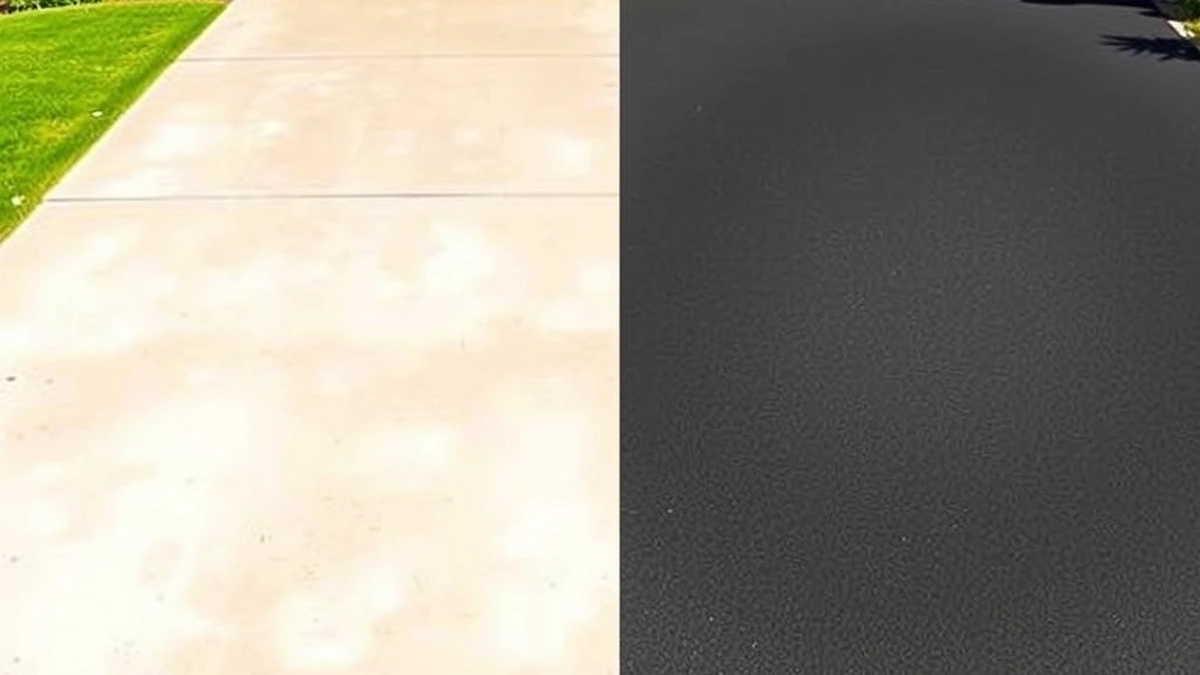
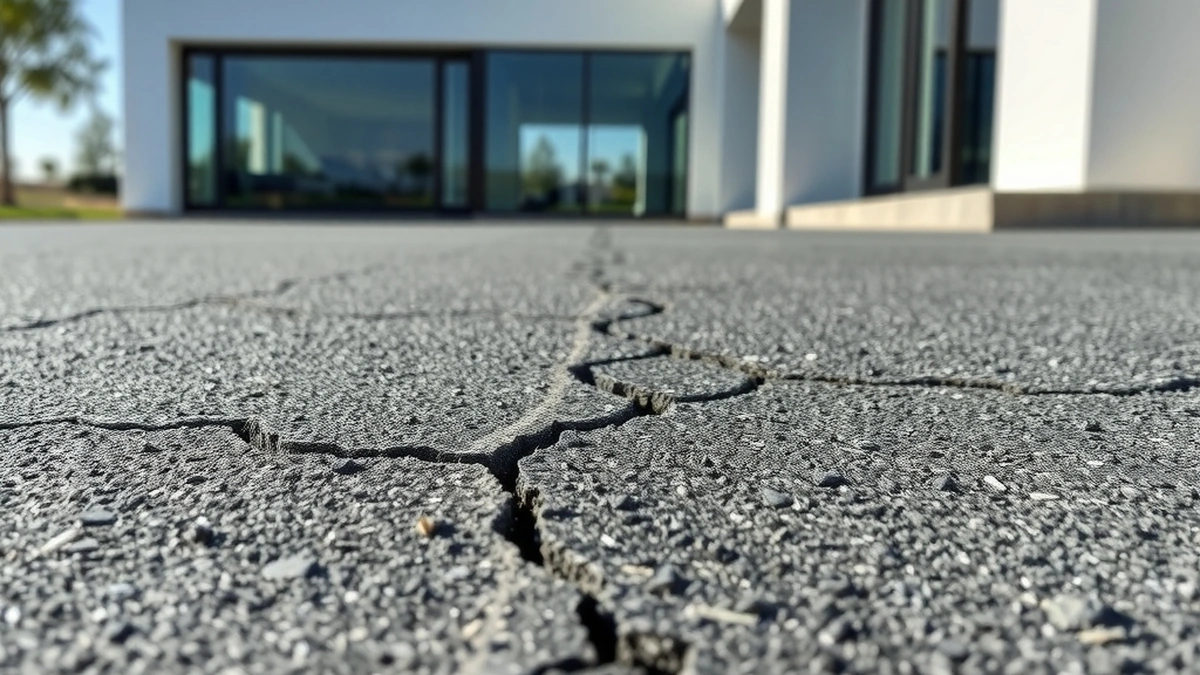
Asphalt is a mix of stone and bitumen binder. Sunlight breaks down the binder through oxidation, which makes the surface gray and brittle. Rain and melting snow enter small pores, freeze in cold weather, and widen those pores into cracks. Oil and gasoline drips soften the binder further. A sealcoat forms a sacrificial layer that takes this wear instead of the asphalt beneath.
Sealing does not repair structural problems. If the base under the driveway has failed, sealing only covers the symptom. Diagnose base failure before selling sealer. Look for alligator cracking, sinking sections, or potholes that return after patching. Those issues need base repair or replacement, not just a surface coat.
Cost Comparison: Seal Now or Pay Later
Sealcoating is inexpensive compared with structural repairs or replacement. The table below uses estimated contractor and DIY pricing.
| Work type | Estimated cost | Unit |
|---|---|---|
| Contractor sealcoat | $0.15–$0.30 | per sq ft |
| DIY sealcoat | $0.05–$0.12 | per sq ft |
| Crack filling | $2–$5 | per linear ft |
| Pothole repair | $100–$400 | each |
| Asphalt overlay | $3–$7 | per sq ft |
| Full replacement | $8–$15 | per sq ft |
Here is what the arithmetic looks like for a typical two-car driveway. Assume a driveway is 20 feet wide and 40 feet long, which equals 800 square feet.
Contractor sealcoat at $0.15 per sq ft:
800 sq ft × $0.15 = $120
Contractor sealcoat at $0.30 per sq ft:
800 sq ft × $0.30 = $240
DIY sealcoat at $0.05 per sq ft:
800 sq ft × $0.05 = $40
DIY sealcoat at $0.12 per sq ft:
800 sq ft × $0.12 = $96
Now compare that to an overlay at $3–$7 per sq ft:
800 sq ft × $3 = $2,400
800 sq ft × $7 = $5,600
Full replacement at $8–$15 per sq ft:
800 sq ft × $8 = $6,400
800 sq ft × $15 = $12,000
Even if you seal every two or three years, the cumulative cost stays well below a single overlay or replacement job. Crack filling and pothole repair add to the total, but they remain cheaper than structural work when the damage is caught early.
Main Benefits of Sealing
Sealing delivers several practical advantages for an asphalt driveway in fair condition.
Water Resistance
Water is the main enemy of asphalt. When it penetrates the surface and freezes, it expands and pushes cracks wider. A sealed surface sheds water instead of absorbing it. This is especially important in climates with freeze-thaw cycles.
UV Protection
Sun exposure fades asphalt from black to gray and dries out the binder. A sealcoat reflects some ultraviolet radiation and slows oxidation, keeping the pavement flexible longer.
Oil and Gas Resistance
Vehicle fluids drip onto driveways. Petroleum products dissolve asphalt binder over time. A sealed surface makes spills easier to clean before they penetrate and soften the pavement.
Easier Cleaning
A smooth sealed surface sweeps and washes more easily than rough, oxidized asphalt. Dirt and leaves have fewer pores to cling to.
Improved Appearance
Sealing restores a dark, uniform color. This is cosmetic, but it also makes cracks and stains easier to spot so you can fix them before they grow.
When to Seal and When to Repair First
Sealing works best on clean, sound asphalt. Hairline surface cracks can be sealed over, but cracks wider than about a quarter inch should be filled first. Crack filling costs $2–$5 per linear ft. Potholes need patching at roughly $100–$400 each before sealing. If you skip repairs, sealer will bridge over voids and wear away quickly in those spots.
New asphalt should cure before sealing. Freshly laid pavement contains oils that need time to evaporate. Waiting roughly 90 days is a common guideline, though cure time depends on weather and mix design. Applying sealer too early can trap oils and prevent adhesion.
If the driveway shows alligator cracking, rutting, or sections that sink under vehicle weight, the base may have failed. Sealing over base failure wastes money because the cracks will return. In those cases, repair the base or consider overlay or replacement. For more on timing, see /how-often-to-seal-an-asphalt-driveway/.
DIY vs. Professional Application
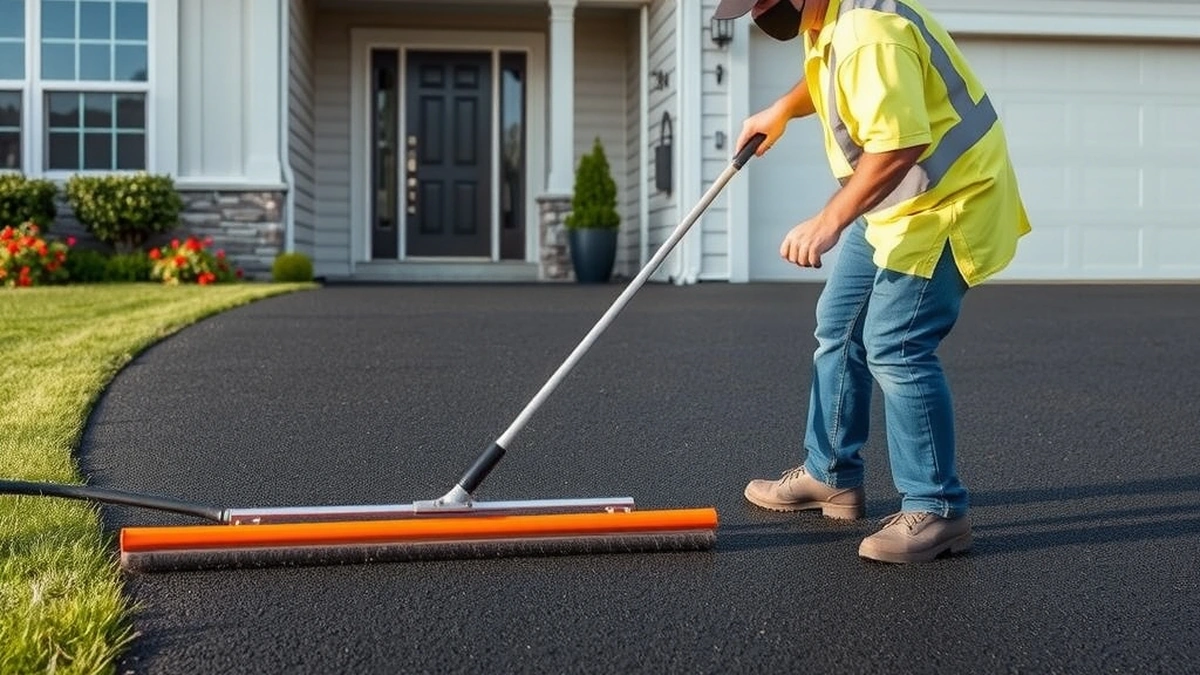
Homeowners can apply sealcoat themselves using rollers or squeegees. DIY materials cost about $0.05–$0.12 per sq ft. The savings are real, but the job requires thorough cleaning, crack repair, even application, and dry weather for curing. Mistakes such as applying sealer too thick or before rain can lead to peeling or uneven wear.
Contractors typically charge $0.15–$0.30 per sq ft. They bring commercial equipment, larger material volumes, and experience with surface prep. Spray application is common for commercial jobs and can cover large areas quickly; more detail is available at /spray-sealing-a-driveway/. For a full cost breakdown, see /how-much-does-driveway-sealing-cost/.
Load and Wear Considerations
Driveway sealer is not a structural layer. It does not add meaningful load-bearing capacity. A passenger car weighs roughly 3,000 to 4,000 pounds. A light truck or SUV may weigh 5,000 to 7,000 pounds. These loads are distributed across tires, but the asphalt base must support them. Sealer protects the surface; it does not strengthen a weak base.
Heavy vehicles, such as fully loaded delivery trucks, can stress residential asphalt not designed for that weight. If heavy traffic is routine, sealing alone will not prevent structural fatigue. Base thickness and subgrade preparation matter more than surface coating for load support.
Safety also matters during application. Sealcoat materials can contain chemicals that irritate skin and lungs. Follow product safety guidance and use ventilation or respiratory protection as needed. Workplace exposure standards are available from https://www.osha.gov/. Environmental disposal guidance can be found at https://www.epa.gov/.
Maintenance After Sealing
Sealing is not a one-time task. Plan to reseal every two to four years, depending on traffic and climate. High-traffic driveways wear faster. Shaded driveways may develop mildew and need cleaning before resealing.
Between seal coats, keep the surface clean. Remove oil stains promptly. Fill new cracks as they appear. Sweep leaves and debris so moisture does not sit on the pavement. For ongoing care, see /driveway-sealing-maintenance/. If repairs are needed before the next seal coat, see /driveway-sealing-repair/.
Bottom Line
The benefits of sealing driveway asphalt are real but limited to surface protection. Sealing slows water intrusion, UV damage, and fluid stains. It costs far less than overlay or replacement, especially when you compare $0.15–$0.30 per sq ft for contractor work against $3–$7 per sq ft for overlay or $8–$15 per sq ft for replacement. It does not fix base failure, structural cracking, or sunken pavement. Repair those issues first, then seal to protect the investment. For installation details, see /driveway-sealing-installation/.
Next, compare how often to seal an asphalt driveway, spray sealing a driveway, how much does driveway sealing cost before you commit.
Frequently asked questions
What does sealing a driveway do?
Sealing coats the asphalt surface to block water, UV rays, oil, and gasoline, which slows oxidation and reduces crack formation.
How long does driveway sealer last?
Most sealers wear away in two to four years, depending on traffic, climate, and whether the surface was cleaned and repaired first.
Should I seal a new asphalt driveway?
Wait until the asphalt has cured, usually 90 days or more, so oils can evaporate and the sealer can bond properly.
Does sealing fix cracks?
No. Sealing covers hairline surface wear, but wider cracks need crack filling at $2–$5 per linear ft before sealing.
Can I seal my driveway myself?
Yes. DIY sealcoat runs about $0.05–$0.12 per sq ft, but you must clean, repair, and apply it in suitable weather.
When should I replace instead of seal?
If the base has failed, the asphalt has alligator cracking, or potholes are widespread, sealing will not restore structural strength.
Sources
Some links are affiliate links.If you buy through them we may earn a commission at no extra cost to you. We do not accept payment for rankings. Read the full disclosure.