Coal tar sealer vs cold patch: coating or filling
Coal tar protects a surface at $0.15-$0.30 per sq ft; cold patch fills a pothole for a few dollars a bag. Why a hole needs patching before any coating goes on.
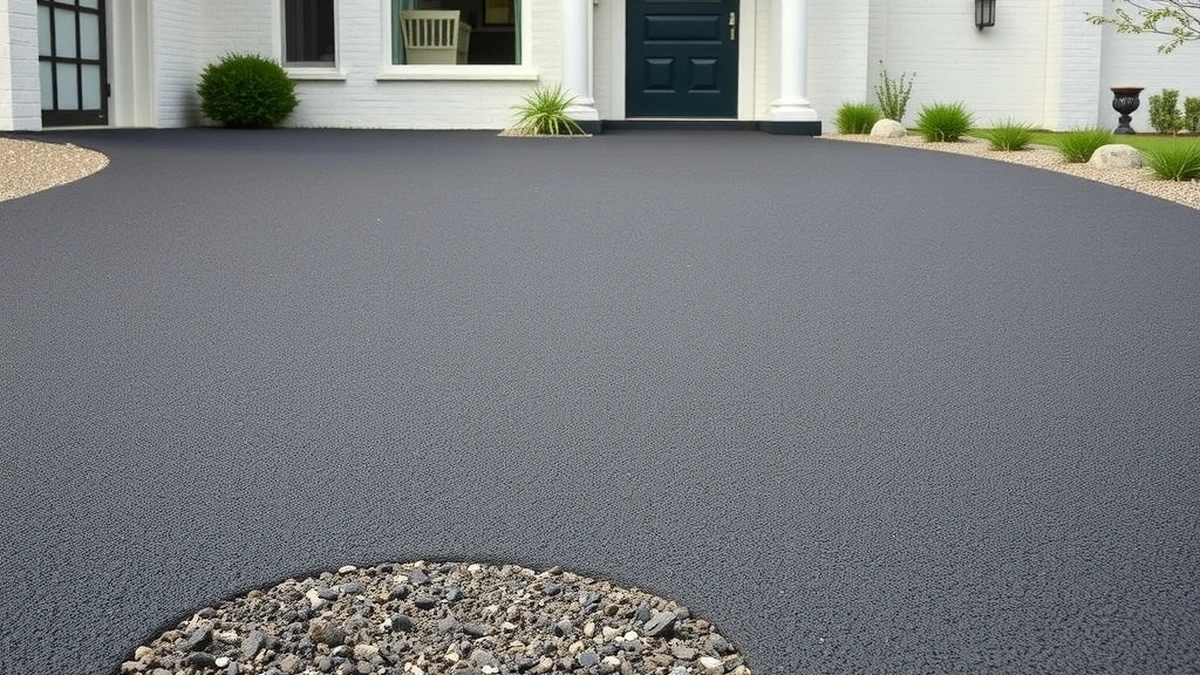
Coal tar sealer is a fuel-resistant surface coating at $0.15 to $0.30 per square foot. Cold patch is bagged asphalt that fills a pothole for a few dollars. Sealer cannot bridge a hole, so patch first, and use hot mix at $100 to $400 if the repair needs to last.
- Coal tar
- $0.15-$0.30 per sq ft
- Cold patch
- A few dollars per bag
- Coal tar life
- 3-4 years
- Cold patch life
- One season to a few years
- Hot-mix patch
- $100-$400 per pothole
Some links on this page are affiliate links.If you buy through them we may earn a commission at no extra cost to you. We do not accept payment for rankings. Read the full disclosure.
Coal tar sealer and cold patch do not compete. Coal tar is a fuel-resistant coating applied across a surface at $0.15 to $0.30 per square foot. Cold patch is bagged asphalt that fills a pothole for a few dollars. The only relationship between them is sequence: patch first, because a coating cannot bridge a hole.
What each product is
Coal tar sealer is a water-based emulsion of refined coal tar and filler that cures into a dense black film with high fuel resistance.
Cold patch is a bagged asphalt mix with a solvent-cut binder, workable without heat, used to fill potholes in cold or wet conditions.
Coal tar protects. Cold patch fills. Neither repairs a base, and neither is a substitute for the other.
Head to head
| Attribute | Coal tar sealer | Cold patch |
|---|---|---|
| Purpose | Protect a surface | Fill a hole |
| Unit | Square foot | Bag |
| Cost | $0.15-$0.30 per sq ft | A few dollars per bag |
| Coverage | 250-400 sq ft per 5 gal | About 2 sq ft per bag at 2 in |
| Life | 3-4 years | One season to a few years |
| Fuel resistance | High | Not applicable |
| Repairs a base | No | No |
| Order | Second | First |
The life figures measure different things. Three to four years for coal tar is a protective cycle; a season for cold patch is a temporary repair.
Why a coating cannot fix a hole
Sealer is a film measured in thousandths of an inch. It cannot span a depression, and it cannot carry traffic over a void.
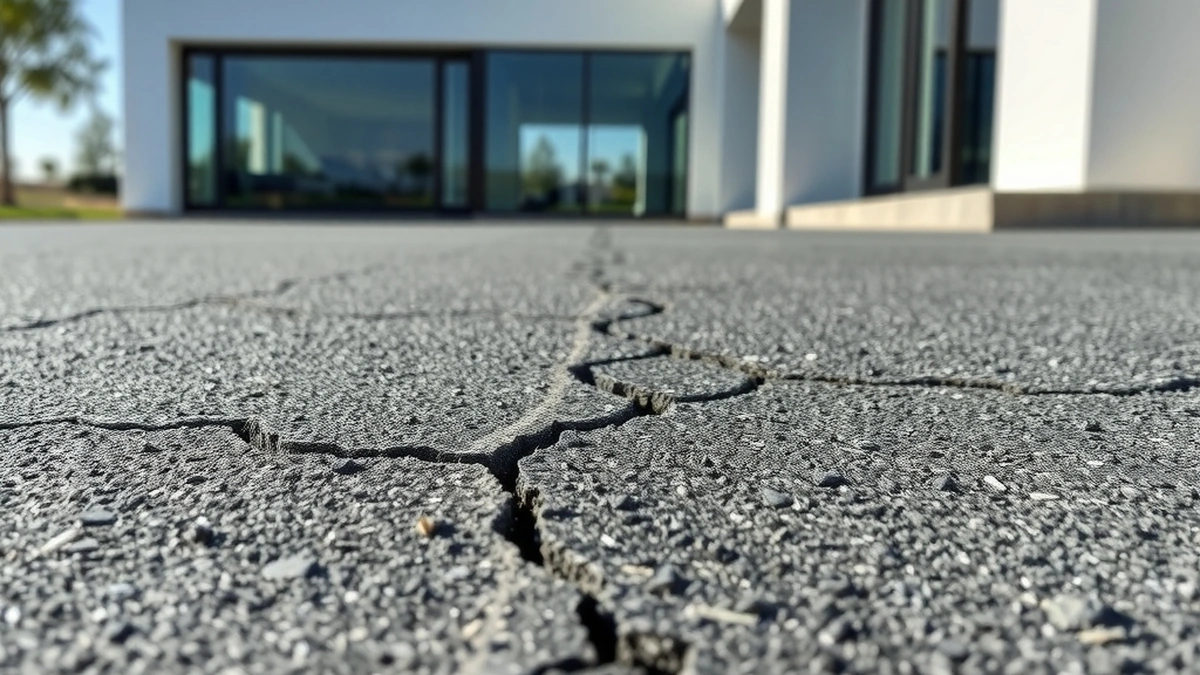
Across a pothole, it sags, cures, and fractures under the first tire. The surrounding coat lifts at the fracture and the failure spreads outward from the hole.
The same applies to cracks: coal tar over an open crack splits along the crack line within a season. Repairs come first, coating second.
A useful test before booking a coating: run a finger along the edge of any patch or repair. If the material moves, or if there is a lip that a fingernail catches, the surface is not ready. Coal tar is unforgiving about high spots, and a patch that sits proud will wear through the film above it within a year.
Cost of the two together, worked through
A 600 square foot driveway with one 4 square foot pothole:
Hot-mix patch at $250, plus coal tar at $0.24 per square foot, 600 × $0.24 = $144. Total $394, or $0.66 per square foot.
The cold patch version: under $20 for bags, plus the same $144 coating, total under $164. Cheaper today, and the patch lasts a season.
Over five years the cold patch route means five bags and five afternoons. The hot-mix route means one patch and two coatings at $144 each, so $538 total. By year three the permanent patch is cheaper in money and far cheaper in time.
Where coal tar earns its price
Fuel exposure is the main case. A driveway with a leaking vehicle or a diesel truck holds up better under coal tar than under emulsion or acrylic.
Appearance is the second. The deep black holds longer, which matters on a visible front driveway.
Interval is the third. Three to four years between coats against two to three for emulsion is one fewer recoat per decade.
Where coal tar is restricted, the coating choice falls to emulsion or acrylic. Several states and municipalities limit sales because of runoff concerns, so check before ordering.
Why cold patch is still worth owning, and where coal tar resists oil
Cold patch exists for conditions where hot mix is unavailable: winter, wet weather, a plant that has closed.
It also suits temporary access, such as a property scheduled for replacement or a driveway awaiting a contractor.
In those cases the low bag price is doing exactly what it should, and judging it as a permanent repair is the wrong test. Our cold patch reviews guide covers that honestly.
Does coal tar resist oil better than a patch?
They answer different questions.
Coal tar resists fuel at the surface: a drip or a small leak that would soften emulsion will sit on coal tar longer before doing damage.
A patch fills a void: it restores a level surface so traffic does not break the pavement further.
A driveway with both oil exposure and potholes needs both. A driveway with oil and no holes needs only the coating. A driveway with holes and no oil needs only the patch.
The mistake to avoid is choosing based on the product’s reputation rather than the failure in front of you. Coal tar’s fuel resistance does not stop a patch breaking up, and a cold patch does nothing about a drip that is softening the surface around it.
The sequence that works
- Diagnose the surface: hole, cracks, wear, or base failure.
- If the base has failed, stop and price an overlay or replacement.
- Patch holes properly, squared and compacted.
- Fill cracks at $2 to $5 per linear foot.
- Prime oil spots.
- Apply coal tar at the label rate and cure 24 to 48 hours.
Skipping step 1 is how people seal a driveway that needed replacing, or patch a hole that keeps returning because the base is soft.
What neither product fixes
Alligator cracking across a quarter of the surface, ponding water, and soft spots are structural failures. The options are an overlay at $3 to $7 per square foot or replacement at $8 to $15.
A coat or a patch over that damage buys a season at best. Our alligator cracking repair guide covers the diagnosis, and potholes repair covers the hole-specific options.
For pricing, see coal tar sealer cost and cold patch cost.
Frequently asked questions
Can coal tar sealer be used on a pothole?
No. Sealer is a thin film and cannot bridge a void. Applied over a hole, it sags, breaks under traffic, and lifts at the break. The hole has to be patched first.
Is cold patch good enough before sealing?
For a temporary repair, yes, once it is compacted and has settled. For a driveway you plan to keep, a hot-mix patch at $100 to $400 is the durable option.
Does coal tar stick to cold patch?
It can, once the patch is compacted and firm. Cold patch that is still loose or soft will move under the coating and break the film.
Why does coal tar resist oil better than other sealers?
Refined coal tar is denser and less soluble in fuel than asphalt emulsion or acrylic. That resistance is a property of the coating, not of the pavement under it.
How long before sealing after patching?
Wait until the patch is firm and any solvent smell has gone, typically a few days for cold patch and immediately for hot mix. The surface must be dry and clean.
Is coal tar legal in my state?
Not everywhere. Several states and municipalities restrict or ban coal tar because of runoff concerns. Check local rules before buying or hiring.
Sources
Some links are affiliate links.If you buy through them we may earn a commission at no extra cost to you. We do not accept payment for rankings. Read the full disclosure.